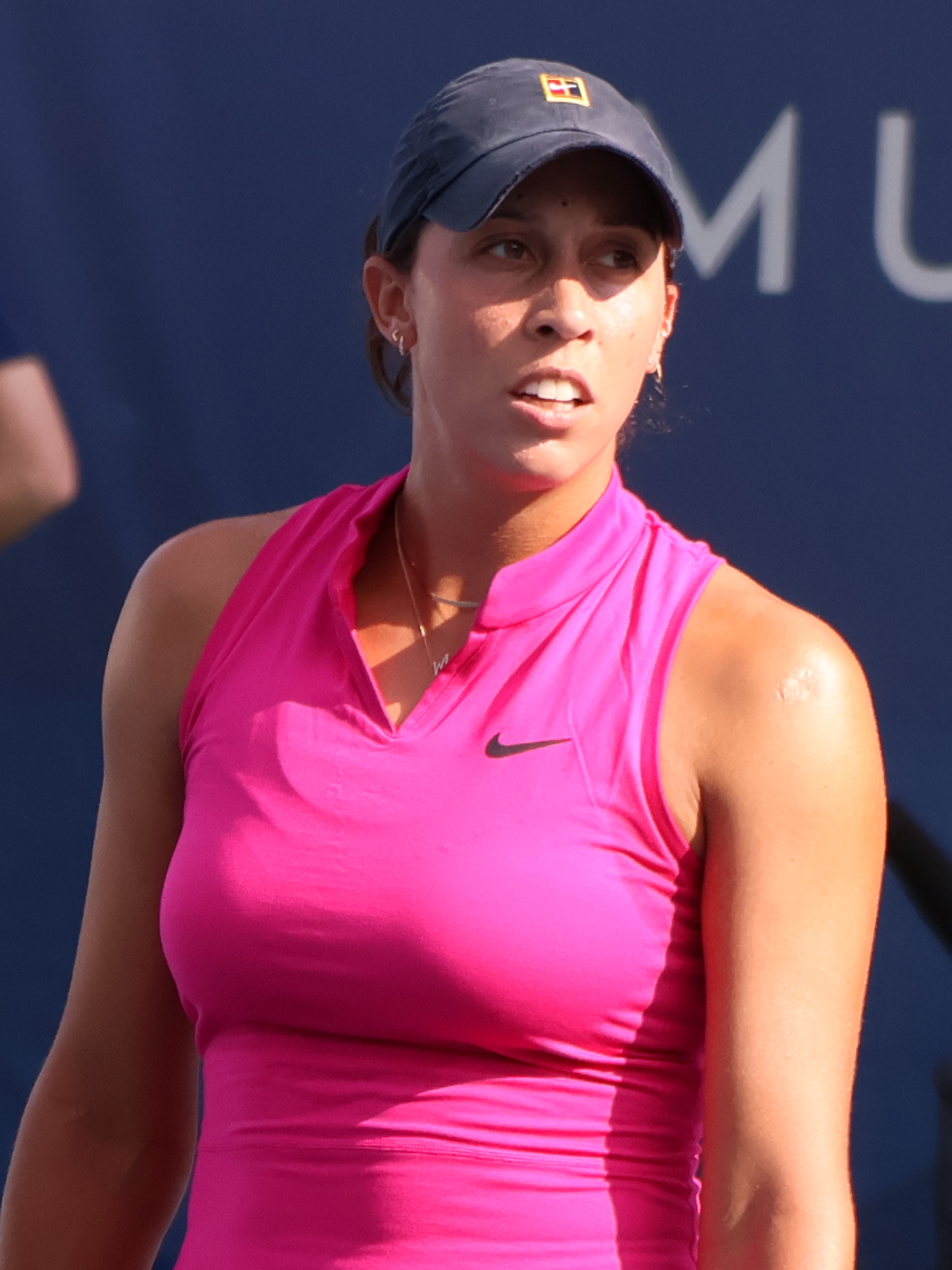
If you enjoy pure algorithmic stability, tennis is not the sport for you. Fresh off the heels of the chaos where Williams Sisters Suffer Heartbreak in US Open Return and Sabalenka Halts US Open Over Weed Smell!, Arthur Ashe Stadium bore witness to a statistical crime scene. Madison Keys stood 60 seconds away from the round of 16, clutching a match point and an estimated 98.4 percent win expectancy. Then, the spatial physics of tennis simply melted.
The Geometry of a Seven-Game Collapse
Entering the crunch phase of the deciding set, Keys was dictating court positioning with ruthless efficiency. Her heavy topspin forehand was penetrating Zheng Qinwen baseline containment schemes, forcing deep defensive recoveries. But the instant match point flashed on the digital board, biomechanical micro-hesitations invaded the American baseline setup. Zheng saved the match point with ice-cold baseline depth, and Keys subsequently dropped seven consecutive games to forfeit the contest.
Keys offered a brutally honest diagnosis in her post-match debrief, admitting: "I got scared, like I could not swing." From a pure kinesthetic standpoint, that is visible on tape: racquet head speed dropped precipitously, stroke deceleration caused groundstrokes to land short in the transition zone, and Zheng took full advantage by stepping inside the baseline to dictate angular exchanges.
🐦 @BaselineMetrics: "Madison Keys had a 99% live model equity and proceeded to commit unforced errors on neutral rally balls. My neural network just short-circuited."
💬 u/TennisDeuceNerd: "Can not believe Madison Keys won a Slam final ticket years ago only to turn into a push-bot on match point. Zheng did not even blink."
Crunching the Momentum Shift
Let us look at how the shot selection and baseline parameters degraded when the pressure reached maximum velocity during the final stretch:
| Tactical Metric | Keys (Up to Match Point) | Keys (Final 7 Games) |
|---|---|---|
| Average Forehand Speed | 78.4 mph | 66.1 mph |
| Unforced Error Ratio | 14% | 41% |
| Baseline Depth (Inside 1m) | 68% | 29% |
| First Serve In-Play | 71% | 44% |
Zheng, meanwhile, operated like an automated baseline wall. Rather than over-hitting against a shrinking opponent, the Chinese star increased her rally tolerance, maintaining safe net clearances of over three feet while attacking Keys backhand wing with acute crosscourt angles.
Tactical Prognosis and Sharp Bettor Angles
For Zheng Qinwen, advancing to the fourth round under these conditions cements her status as one of the tour premier psychological operators. Her ability to weaponize an opponent anxiety through relentless baseline depth is reminiscent of prime counter-punching masterclasses.
For the analytical bettor, take note: Zheng live in-play moneyline when trailing remains one of the most profitable anomalies on hard courts. Conversely, back any dynamic returner facing Madison Keys whenever a match enters a deciding set tiebreak territory; until the kinetic deceleration on high-leverage points is resolved, regression will continue to strike without mercy.