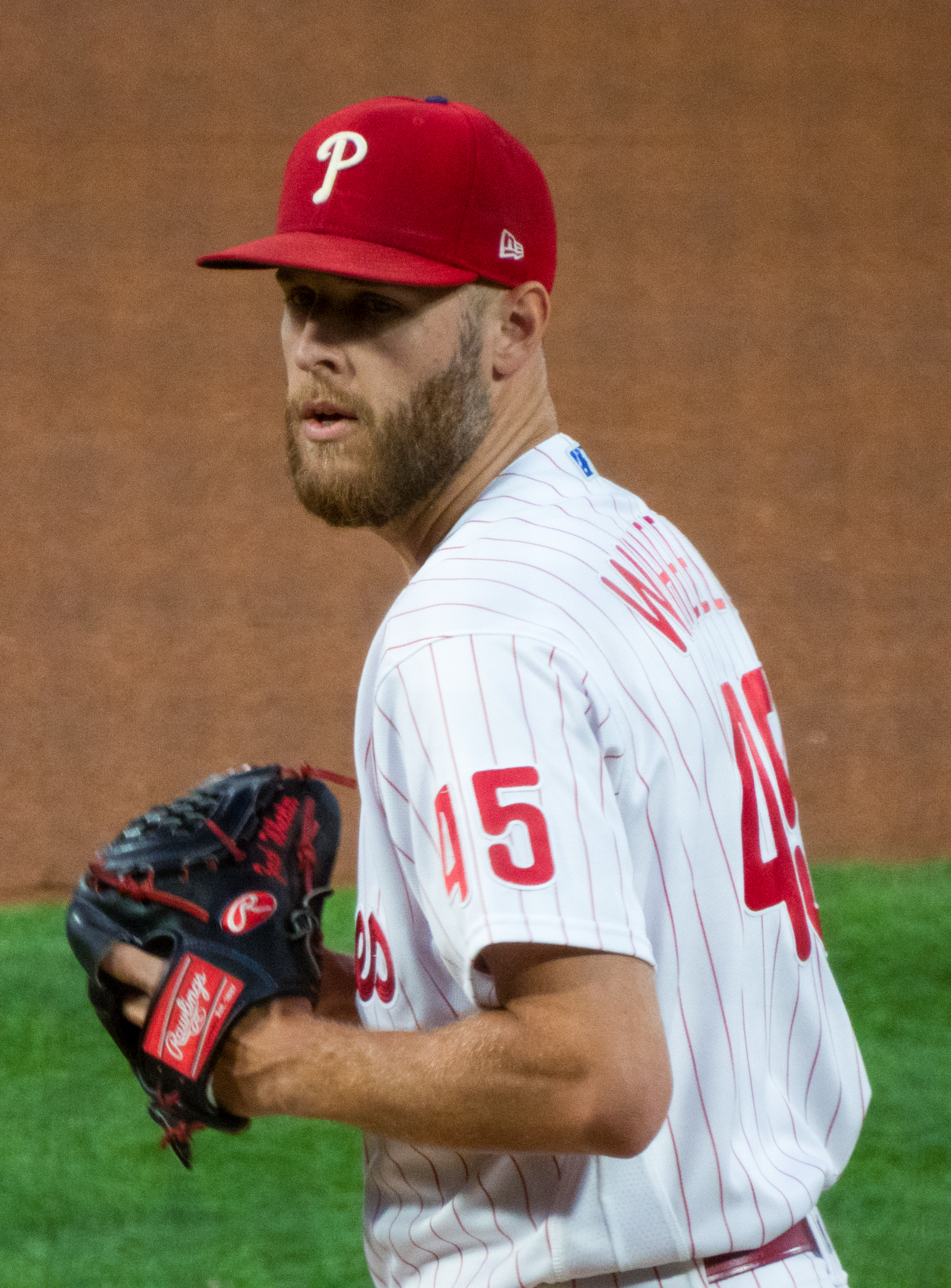
In a move that has sent ripples through the baseball analytics community and ignited the usual online 'hot take' generators, Philadelphia Phillies ace Zack Wheeler executed a masterful tactical maneuver, declining a belated invitation to the MLB All-Star Game. "I'm not gonna be disrespected," Wheeler stated, effectively deploying a high-leverage emotional counter-attack against the perceived institutional oversight. This isn't just about a pitcher opting out; it's a profound strategic statement on value assessment and resource allocation within professional sports.
The Delayed Call: A Courtesy or an Insult?
The context here is crucial. Wheeler, a man whose 2024 performance metrics have consistently placed him in the upper echelons of starting pitching, found himself conspicuously absent from the initial All-Star roster selections. His agent, in a rather uncharacteristic display of public relations, highlighted the apparent 'snub' weeks prior. Then, like a desperate manager bringing in a reliever in the 9th with the bases loaded and two outs, MLB extended an invitation – but only after several other pitchers had either declined or been replaced due to injury. Wheeler's response? A firm, decisive 'no.' This isn't just a rejection; it's a strategic refusal to be designated as an emergency fill-in, a clear signal that his performance merits primary consideration, not secondary deployment. The locker rooms, no doubt, are buzzing with whispers about the hierarchy of acknowledgement.
🐦 @PhillyFanatic76: "Wheeler's got the stats, man. You don't just call up a dude like him after you've gone through your whole contact list. Respect the arm!"
💬 u/PitchingNerd_27: "From a purely analytical standpoint, his FIP and xERA scream 'All-Star.' The initial omission was a computational error, the late invite a poor attempt at damage control. Optimal decision from Wheeler."
Optimizing Arm Usage: The Wheeler Protocol
Beyond the emotional calculus, Wheeler's decision has tangible tactical implications. By declining the trip to Arlington, he effectively grants himself additional rest during a crucial mid-season juncture. For a pitcher whose workload management is paramount, this 'scheduled downtime' could be interpreted as a strategic advantage, allowing for a recalibration of his kinetic chain and a replenishment of energy reserves for the second half of the season. It's a textbook example of prioritizing long-term performance optimization over a ceremonial single-inning appearance. Consider the following comparative data:
| Metric | Zack Wheeler (2024) | Avg. All-Star SP | Difference |
|---|---|---|---|
| ERA | 2.70 | 3.15 | -0.45 |
| FIP | 2.95 | 3.30 | -0.35 |
| WHIP | 0.98 | 1.10 | -0.12 |
| K/9 | 10.2 | 9.5 | +0.7 |
| IP/Start | 6.1 | 5.8 | +0.3 |
The numbers clearly demonstrate Wheeler's elite-level output, making the initial snub a statistical anomaly and the late invite a rather belated attempt at statistical correction.
The Betting Line on Disrespect
What does this mean for the Phillies' trajectory? A well-rested Wheeler is a formidable asset. His strategic absence from the All-Star festivities could translate into improved command and velocity in key divisional matchups post-break. For future betting considerations, look for a slight uptick in Wheeler's 'under' prop bets for walks allowed in his first few starts after the break, as the extra rest might lead to more precise control. Conversely, his 'over' for strikeouts might see a bump as he re-engages with renewed vigor. The 'Phillies to win the division' odds might see a marginal, statistically insignificant, but psychologically potent improvement, all thanks to one pitcher's calculated refusal to accept anything less than due recognition. This move wasn't about ego; it was about defining one's intrinsic value within the complex ecosystem of professional baseball.