Football analytics is supposed to be an intellectual haven of expected points added, spatial efficiency, and calculated probability curves. Then the Minnesota Vikings quarterback room enters the chat, looks at your neat little charts, and detonates a thermonuclear device right in the middle of standard distribution.
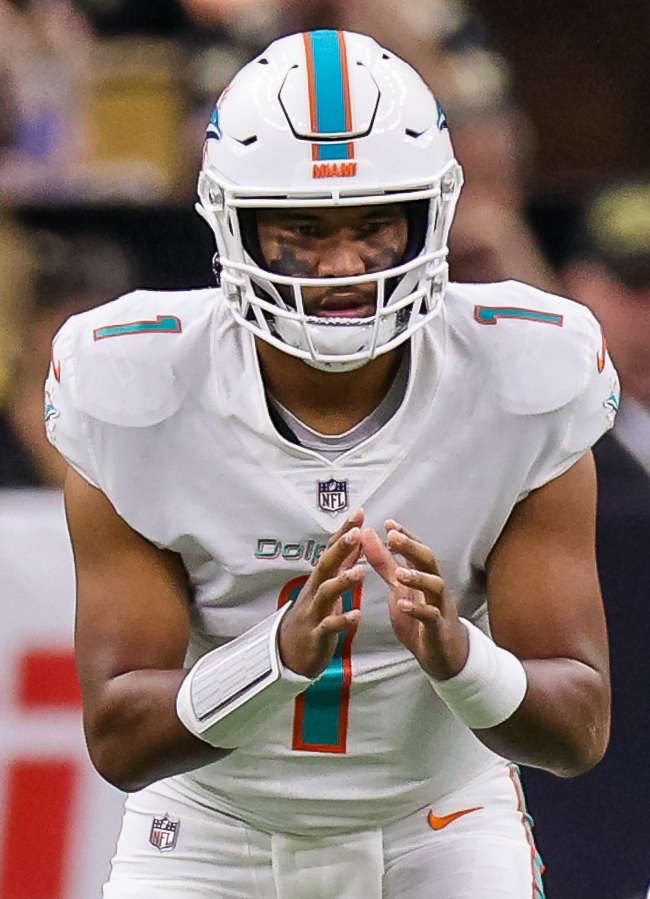
With dual-threat orchestrator Kyler Murray officially shelved due to an irritated hamstring, head coach Kevin O'Connell has turned back the dial of destiny. Forget marginal gains. On Monday night against Sean McDermott's ferocious Buffalo Bills defense, the keys to the offense belong to none other than Carson Wentz. It is an operational pivot akin to replacing a precision titanium surgical scalpel with a medieval trebuchet.
From Scrubbing Trajectories to Scrambling Schemes
Murray's absence radically destabilizes Minnesota's tactical playbook. Kyler's value this season lived inside horizontal stretch concepts, utilizing bootlegs and off-platform boot actions to manipulate boundary coverage. Facing a Buffalo defense that notoriously feasts on standard drop-back looks with complex late-rotation coverages, Wentz introduces pure chaos vector dynamics into the equation.
Wentz does not do subtle. His underlying metrics through his journeyman years remain a masterclass in high-variance football. We are talking about an EPA-per-dropback profile that looks less like a bell curve and more like an EKG during an earthquake. Throw in reports from NFL Network and ESPN that Minnesota is actively scoping the trade deadline market for secondary quarterback insurance, and the emotional thermostat in Minneapolis is officially boiling.
💬 u/SkolCalculator: 'Going from Kyler's twitchy red-zone evasion to Carson Wentz holding the ball for four whole business days against Buffalo's front four is going to melt my brain.'
🐦 @GridironQuant: 'The Bills two-high safety shell is basically designed by algorithm to bait Carson into a 50-yard interception while falling backwards.'
Statistical Tale of Two Schemes
To fully grasp how dizzying this transition is for the Vikings passing attack, let us calibrate the philosophical dissonance across key passing categories:
| Metric Category | Kyler Murray (Offensive Profile) | Carson Wentz (Career Tendency) |
|---|---|---|
| Average Time to Throw | 2.68 Seconds (Quick escape release) | 3.05 Seconds (Adventures in the pocket) |
| Aggressive Throw Rate | 13.4% (Calculated boundary shots) | 19.8% (Pure hero-ball inclination) |
| Checkdown Frequency | Low to moderate | Practically non-existent unless pressured |
| Sack Avoidance Mechanism | Sub-4.4 acceleration to sidelines | Upper-body shrug and hopeful prayer |
Just days after we saw other trade rumors run wild across the sport, such as Jonathan Taylor trapped in trade rumor chaos, Minnesota finds its immediate fate resting entirely on Wentz's right arm while the front office keeps its front-desk phone lines wide open. If O'Connell cannot manufacture quick-hit glance routes and early RPO releases, Wentz will inevitably hold the football until the pocket collapses entirely into a singularity.
The Monday Night Regression Forecast
What should analytical degenerates make of this prime-time collision? Buffalo's defensive brain trust will undoubtedly show single-high pre-snap shells before spinning into inverted Cover-3, daring Wentz to decode post-snap shifts in real time. For Minnesota, victory will not be found in complex progressive aerial concepts; it requires heavy reliance on screen plays, perimeter toss actions, and minimizing long third downs.
From a recreational betting angle, lock in the over on sacks conceded by Minnesota (take the over on 3.5 if the line permits), sprinkle a modest stake on Buffalo generating at least one defensive takeaway via strip-sack, and prepare yourself for at least one Wentz completion that defies every known law of physics and sensible decision-making.