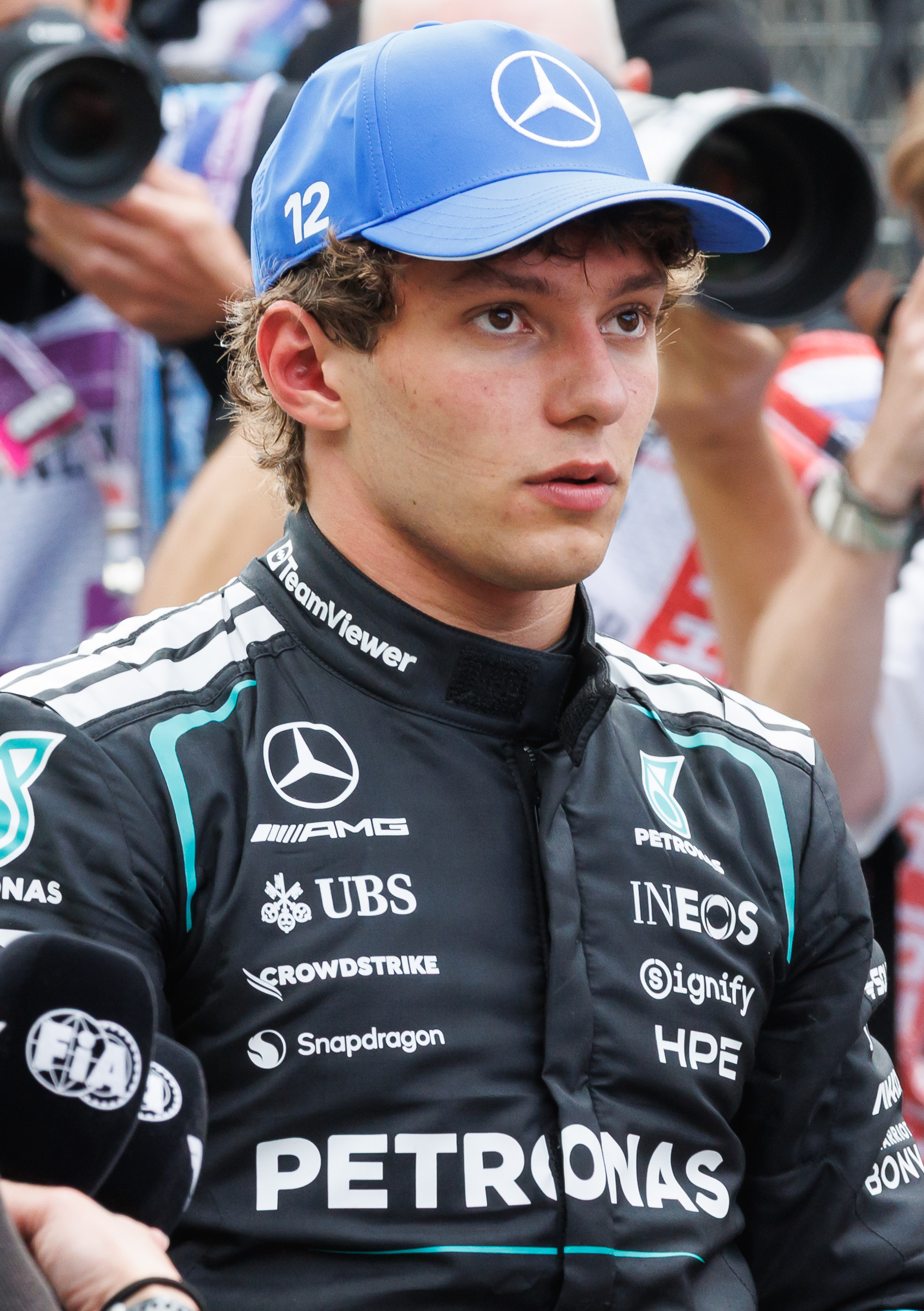
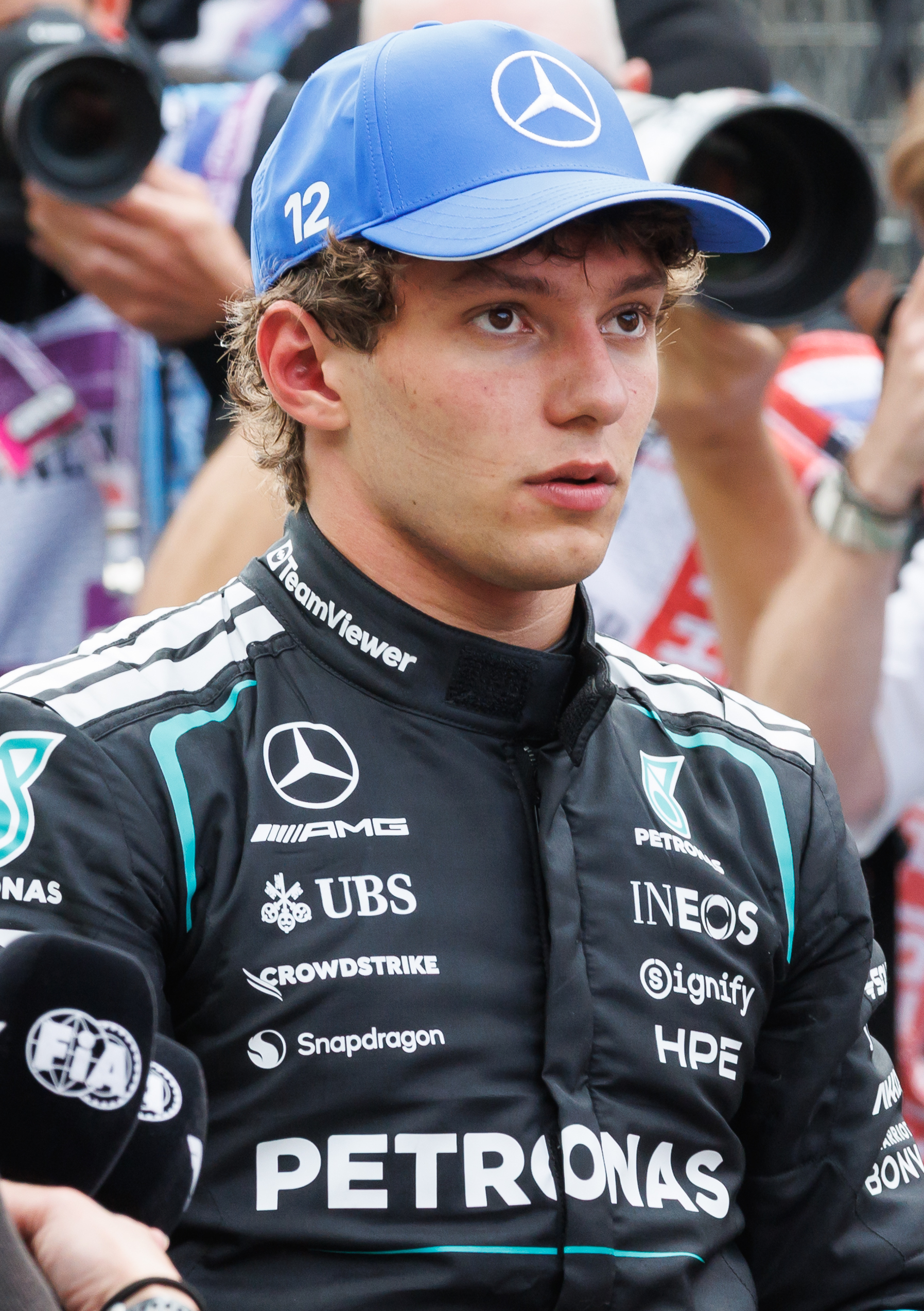
When the Formula 1 circus rolls into Nevada, standard fluid dynamics tend to dissolve into pure casino-floor roulette. While Sin City was still processing how Houston Shocks Florida In Bitter Vegas Revenge across the college hardwood landscape, the Mercedes-AMG PETRONAS garage was conducting its own internal forensic inquest on the Strip. Teenage sensation Kimi Antonelli technically clocked the fastest lap in Q3, only to find himself relegated to sixth due to a pre-existing grid penalty, handing pole position straight to Max Verstappen on a silver platter. Cue the emergency debrief.
The Aerodynamic Slipstream Shell Game
The 1.9-kilometer burst down Las Vegas Boulevard was supposed to be a textbook exercise in wake-punching aerodynamics. Instead, it devolved into high-speed track positioning confusion. Modern ground-effect machinery is extraordinarily sensitive to ambient drag reduction when executing a tow, but the telemetry delta between providing an optimum tow and accidentally sabotaging your teammate tyre wake is razor-thin. Toto Wolff did not even bother masking his mathematical bewilderment after the session, admitting plainly, 'I have no idea how these lap times came together.' When a team principal with thousands of engineering hours under his belt shrugs like an undergraduate who walked into the wrong differential equations lecture, you know the predictive models have completely detonated.
💬 u/AeroGeek_F1: 'Watching Mercedes try to orchestrate a slipstream train in Vegas felt like watching two chess grandmasters accidentally knock over the board with their elbows.'
🐦 @SilverArrowsTelemetry: 'Antonelli has the raw pace of a runaway particle accelerator, but the operational execution looked like an uncalibrated wind tunnel test. George is not going to enjoy this debrief.'
Empirical Grid Breakdown: Vegas Qualifying Metrics
To understand why Brackley engineers are pulling out their hair, we must examine the operational delta that turned theoretical front-row domination into strategic grid chaos:
| Driver | Q3 Raw Pace | Grid Position | Tow Differential Impact |
|---|---|---|---|
| Max Verstappen | 1:32.810 | P1 (Inherited) | Isolated running, clean thermal management |
| Kimi Antonelli | 1:32.650 | P6 (Drop applied) | Optimal straight-line delta, penalty offset |
| George Russell | 1:32.990 | P4 | Disrupted tow packet, dirty-air entry Turn 14 |
The Brackley Engineering Debrief and Fallout
George Russell and Antonelli are now summoned for what promises to be an intensely analytical Mercedes post-mortem. Russell, historically the undisputed king of meticulous sector management and board-certified tyre whispering, found himself compromised during the critical Q3 out-lap sequences. When inter-team towing protocols fail to align with dynamic track temperatures hovering under 15 degrees Celsius, front-axle graining spikes exponentially. Antonelli raw pace proves his supernatural ceiling, but F1 is an operational equation where raw velocity multiplied by procedural errors still equals a third-row start.
Predictive Models and Las Vegas Wagering Vectors
Heading into Sunday night race execution, the algorithms lean heavily toward Red Bull defensive pacing. Verstappen in clean air with baseline DRS protection on the main straight produces an expected win rate exceeding 68%. For degenerate aerodynamic investors, Antonelli fastest-lap props offer tantalizing value once fuel loads burn down in stint two, while wagering on a heated intra-team radio dispute between Russell and the pit wall carries the lowest variance on the board.