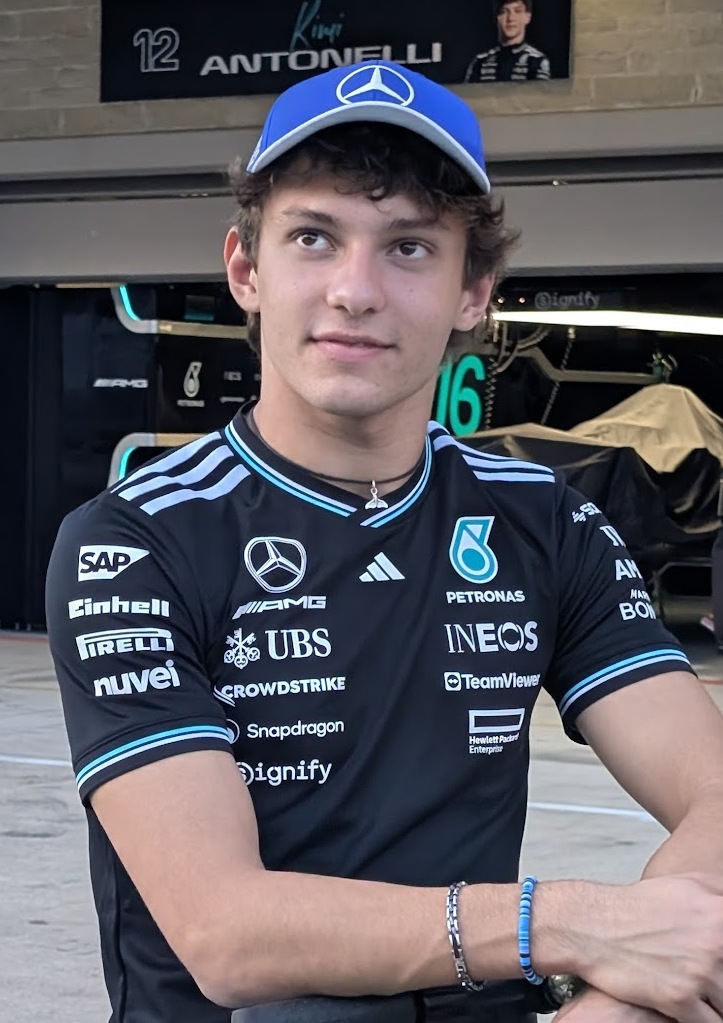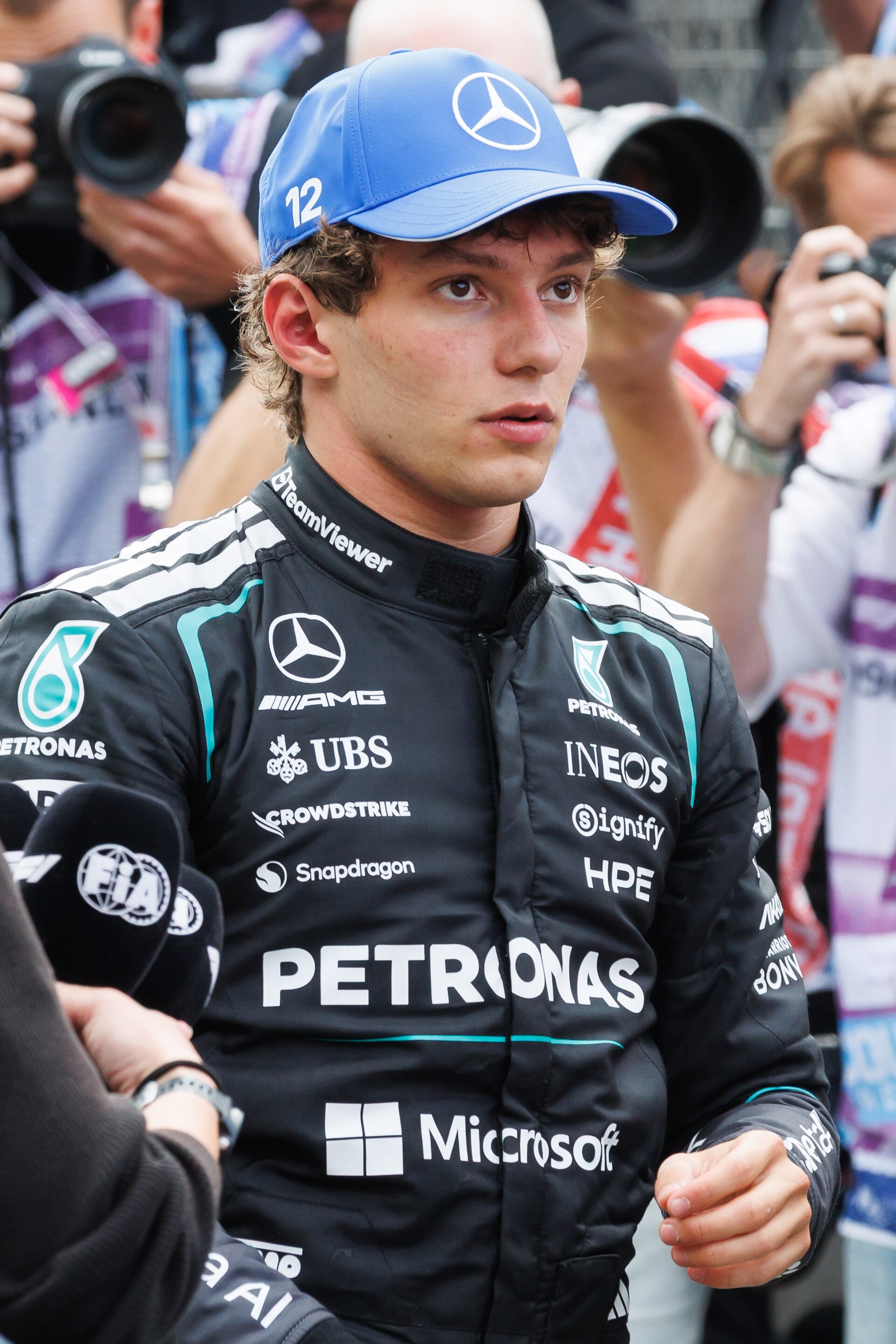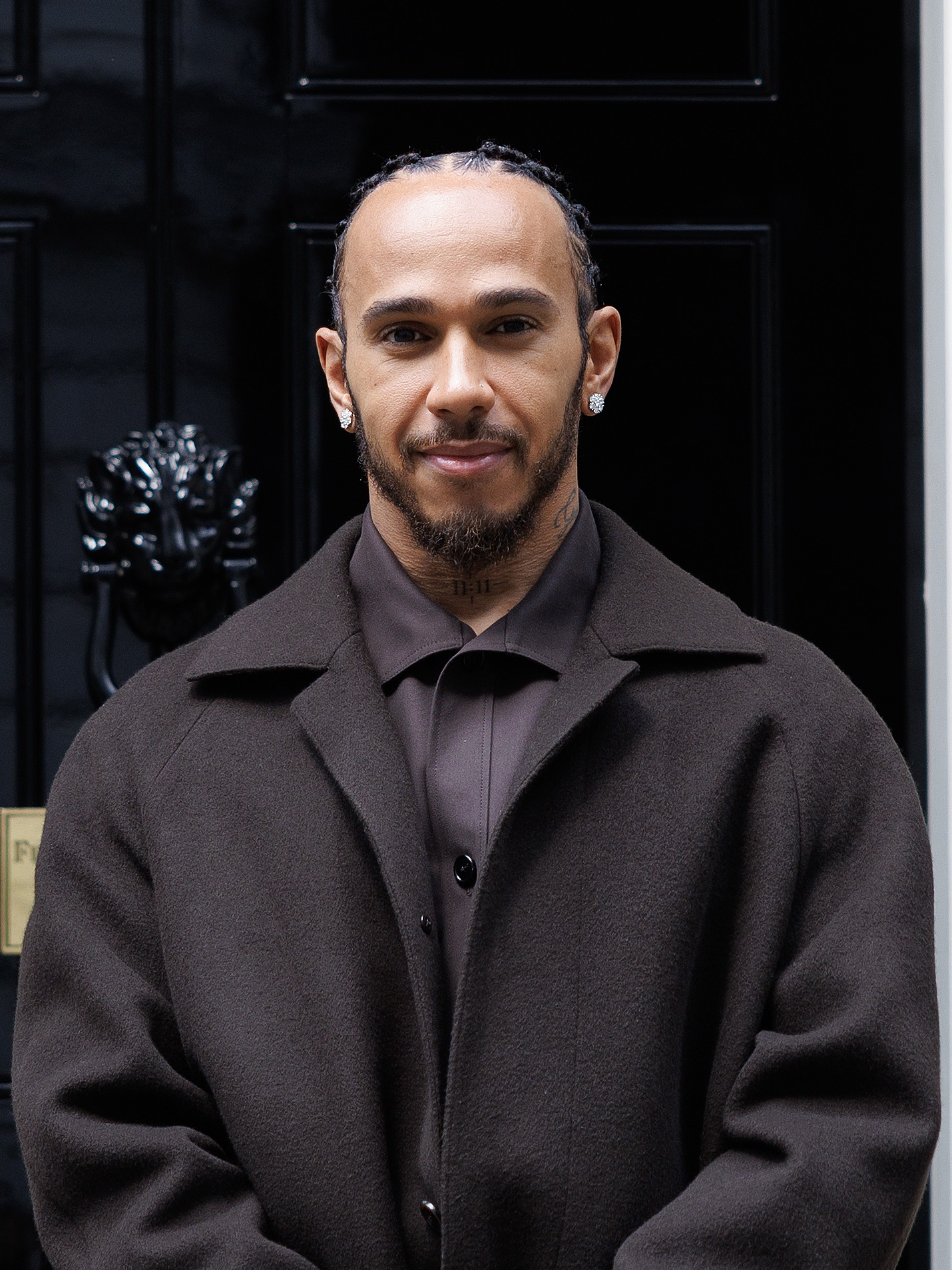
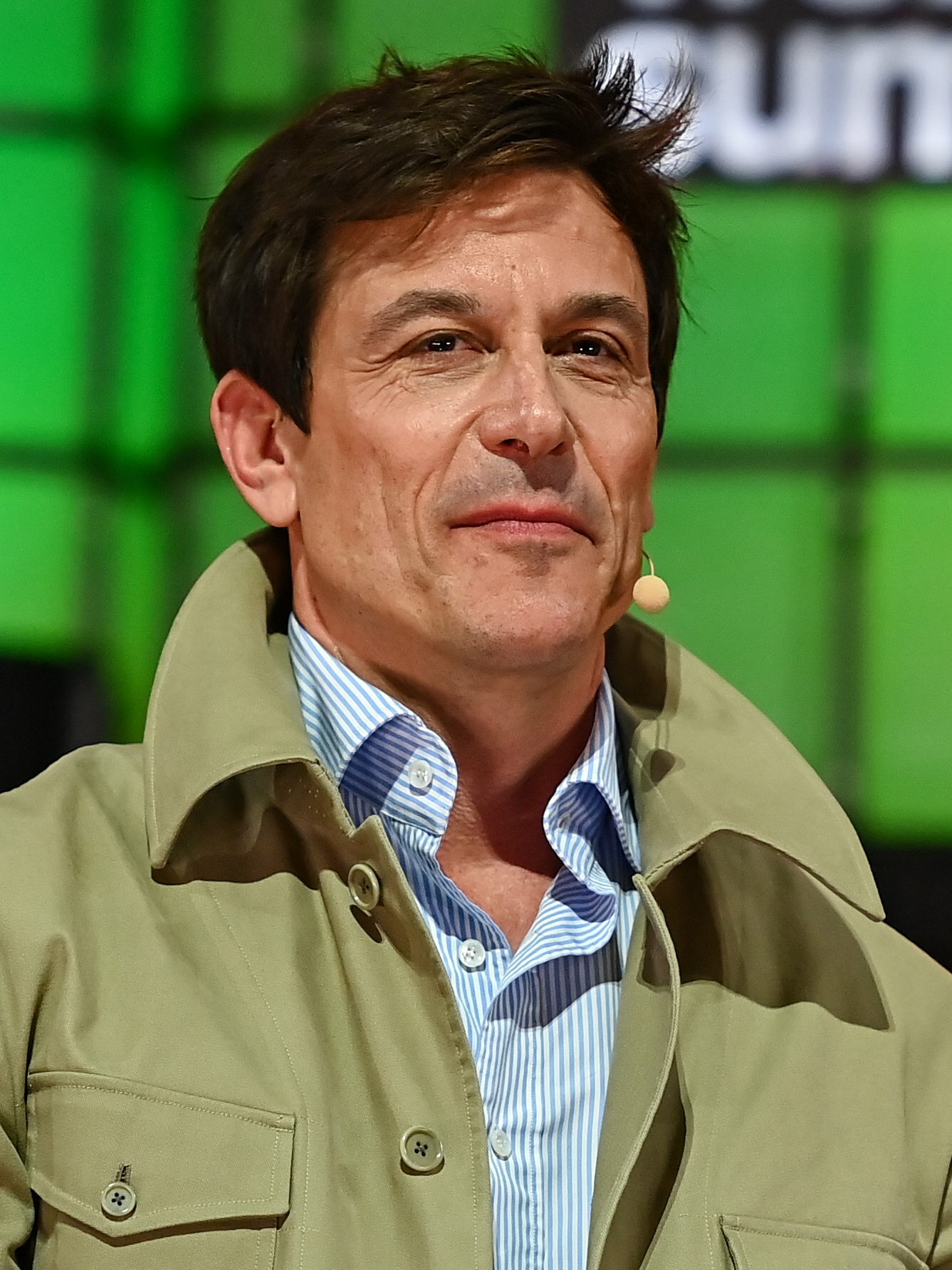
If you enjoy watching multi-million-dollar telemetry plots behave like corrupted Excel macros, the Mercedes garage during qualifying was absolute peak cinema. Team Principal Toto Wolff stared at the timing monitors, processed the agonizing sector deltas, and uttered the ultimate concession of an exasperated engineer: 'Something else is going on.' That is Brackley code for: our computational fluid dynamics model lied to our faces, and the wind tunnel owes us an apology.
Brackley CFD Versus The Harsh Light Of Reality
Mercedes arrived armed with fresh floor edges and re-profiled aerodynamic surfaces designed to stabilize their persistently prickly ground-effect platform. On paper, the downforce coefficient showed tidy nominal gains across medium-to-high-speed sweeps. On track, however, the car behaved less like a precision carbon-fiber scalpel and more like a moody shopping trolley hunting for grip. Much like our deep-dive into the Dodgers postseason biomechanics glitch, dissecting Brackley's ride-height sensitivity requires an advanced degree in kinetic chaos theory.
Wolff did not hide his perplexity after qualifying left both Silver Arrows scrambling well adrift of pole position. The telemetry revealed unpredictable snap oversteer on corner entry followed by stubborn mid-corner understeer, effectively evaporating tire compound life across single-lap runs.
🐦 @AeroGeekF1: "Mercedes spent six months recalculating vortex burst points only to produce a chassis that turns rear tires into molten fondue in Sector 2."
💬 u/DownforceDisaster: "Toto sounded like an IT guy realizing the server room is fully on fire. 'Something else is going on' is pure code for 'call an exorcist.'"
The Correlation Chasm: Diagnostic Breakdown
The fundamental crisis haunting Mercedes is correlation. When the supercomputers in Oxfordshire predict a 0.25-second delta gain through roll-center optimization, but the tarmac produces elevated deck oscillation and thermal spikes, you have an existential mathematical dispute.
| Subsystem Vector | Simulation Expectation | Trackside Actuality |
|---|---|---|
| Underfloor Load Stability | +12% stable suction | Porpoising resonance micro-spikes |
| Tire Thermal Window | Optimal bulk temp across 5.4km | Overheating by Apex 8 |
| High-Speed Transition Balance | Neutral yaw damping | Driver prayer required at turn-in |
The gap between the virtual wind tunnel scale model running at 60 percent velocity and full-scale turbulent boundary layers remains Mercedes' personal Bermuda Triangle. When airflow detaches prematurely from the floor throat, the rear axle balance disconnects, turning two world-class drivers into high-speed rodeo contestants.
Paddock Prognosis And Algorithmic Wagers
Wolff and his technical staff are now left peeling back data traces to discover if mechanical suspension deflection or structural aero elasticity is distorting their baseline platform. If mechanical compliance is warping the venturi channels under lateral G-load, no winglet tweak will salvage the race trim.
For the sports bettors looking for analytical alpha, avoid wagering on Mercedes podium finishes until the telemetry stabilizes across high-fuel race simulations. Instead, look into humorous prop bets: lock in -180 on Toto slamming an official team headset onto the pit wall console before lap 30, and hedge +250 on Brackley engineers diagnosing an entirely new aerodynamic anomaly by Tuesday morning debrief.