If you feed modern transition basketball through an advanced spatial regression model, the resulting output looks suspiciously like what Team USA just inflicted upon Czechia. A 105-64 demolition to cap off Group D pool play in the FIBA Women's World Cup wasn't merely a victory; it was an algorithmic evisceration of European drop coverage. Just days after Shohei Ohtani Pitching Freeze Shakes Dodgers Math disrupted front-office spreadsheets across MLB, USA Basketball delivered an equally disruptive clinic in offensive pace, spacing, and transition tracking.
The Geometry of Caitlin Clark's Redistribution Engine
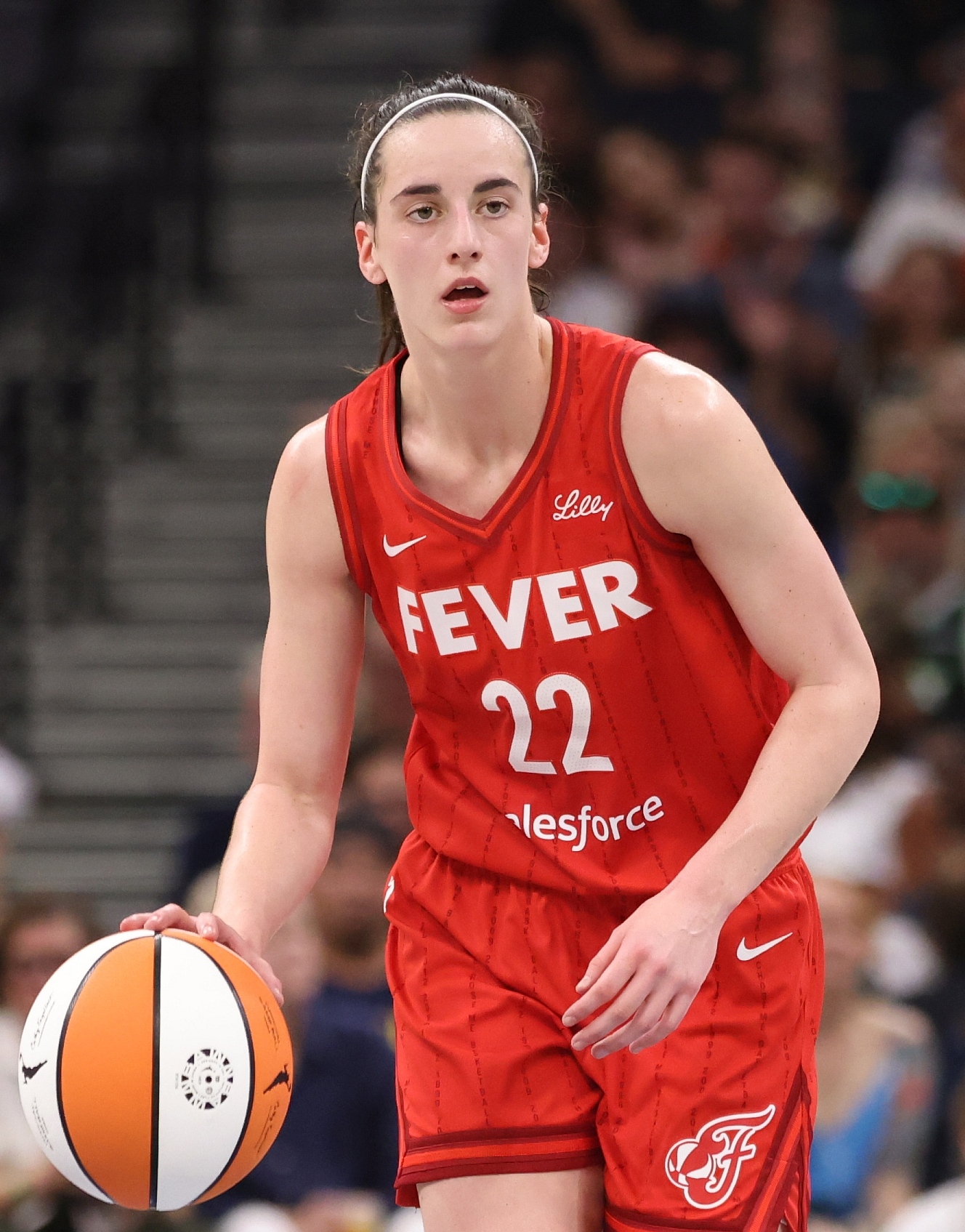
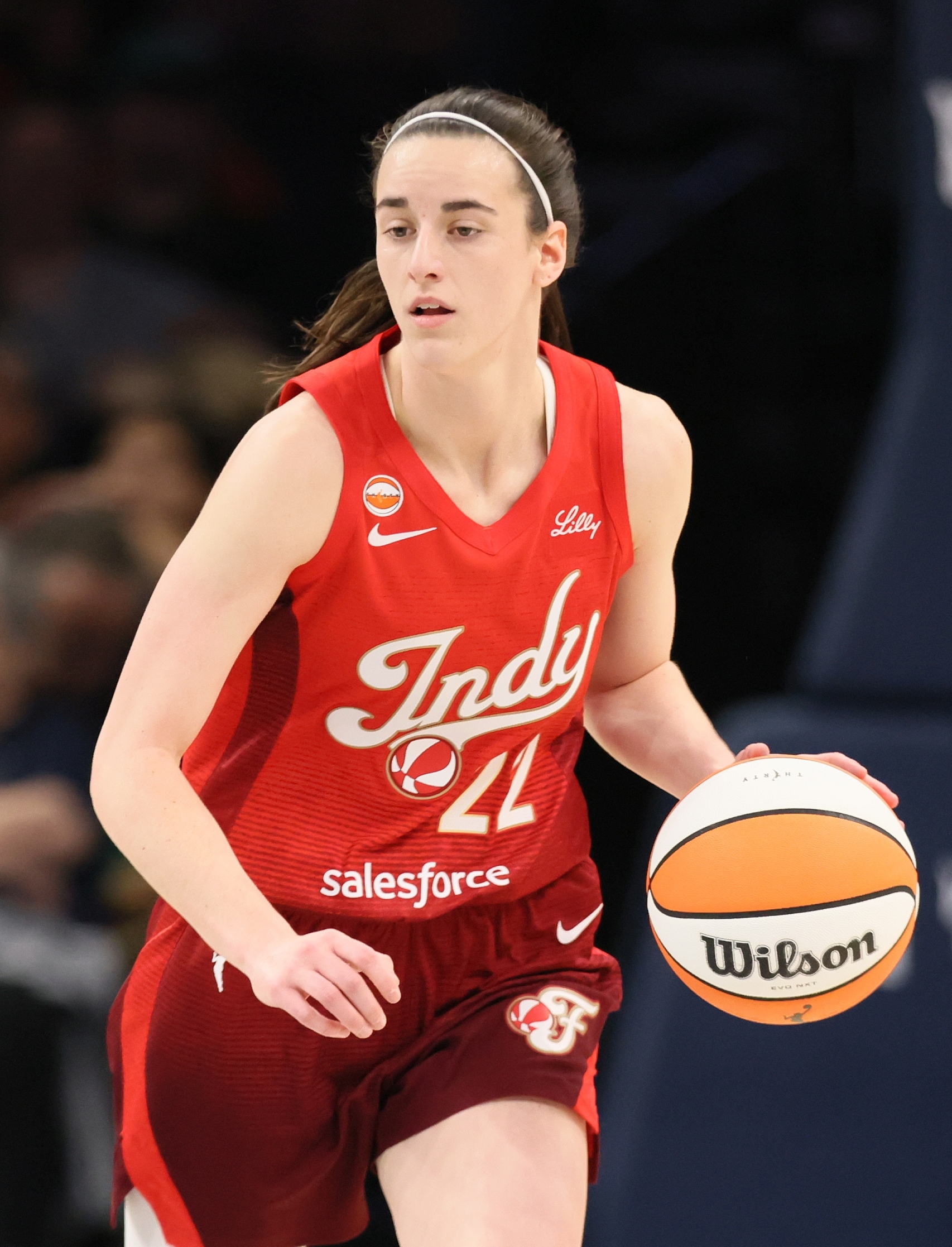
Entering the finale, Caitlin Clark made it known across locker room whisper networks that Team USA's previous outings were subpar by program standards, noting that the collective performance 'wasn't great at all.' True to analytical form, Clark treated those earlier inefficiencies as statistical anomalies that required immediate regression to the mean. Operating as both primary orchestrator and high-gravity perimeter release valve, Clark manipulated Czechia's defensive shells with pinpoint precision.
Instead of forcing hero ball from the logo, Clark exploited defensive hedges by snapping laser skip-passes to weak-side corners and feeding Aliyah Boston in high-percentage low-block actions. When the defense over-rotated to seal the paint, Clark punished the hedge with rapid trigger rhythm. Her synergy with Boston completely unhinged Czechia's secondary rotation timing, producing an offensive rating that looked less like international pool play and more like an open gym scrimmage run at 1.45 points per possession.
🐦 @AnalyticsHoopsNerd: "Clark is operating as a human ball-screen cheat code. Her passing angle efficiency makes drop coverage literally hazardous to your health."
Floor General Mechanics: The Chelsea Gray Matrix
While Clark commanded the transition pace, Chelsea Gray operated with surgical calm in the half-court set. Gray's manipulation of defensive timing mechanisms remains basketball's finest display of controlled tempo. She repeatedly lured defenders into no-man's-land between the nail and the high post before dropping unguardable pocket passes.
| Player | Tactical Function | Pace Factor | Field Grade |
|---|---|---|---|
| Caitlin Clark | Transition Engine & Gravity Hub | 94.2 | A |
| Chelsea Gray | Half-Court PnR Maestro | 88.1 | A+ |
| Aliyah Boston | Rim Protection & Paint Anchor | 91.5 | A |
💬 u/PickAndRollPundit: "Czechia had about as much chance defending that weak-side split cut as a broken dial-up modem streaming 4K video."
Algorithmic Forecast: Knockout Stage Positioning
Moving into the knockout rounds, Team USA has effectively resolved its brief offensive identity crisis. Head coach strategy shifted noticeably toward earlier ball reversals, eliminating the stagnant mid-range pauses that plagued earlier group phases.
From a quantitative wagering perspective, bookmakers are struggling to inflate Team USA spreads high enough to offset their transition differential. If the Americans sustain a pace exceeding 86 possessions per 40 minutes, take the alternate spread up to -28.5 against any upcoming quarterfinal opponent foolish enough to run standard drop coverage. For prop builders, lock in the over on Clark's assist lines whenever Boston shares the frontcourt, because the geometric passing lanes are wide open and mathematically unstoppable.