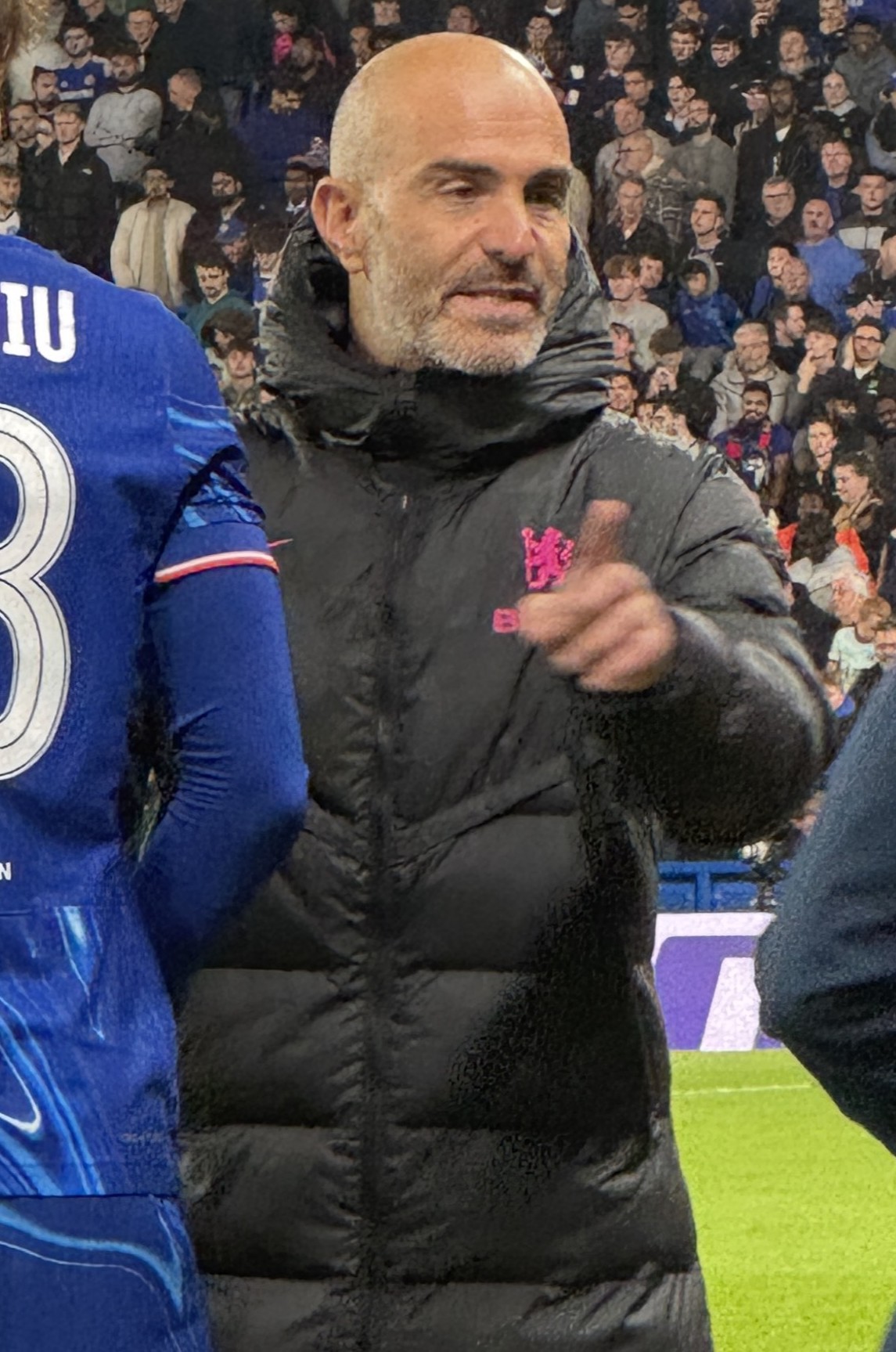
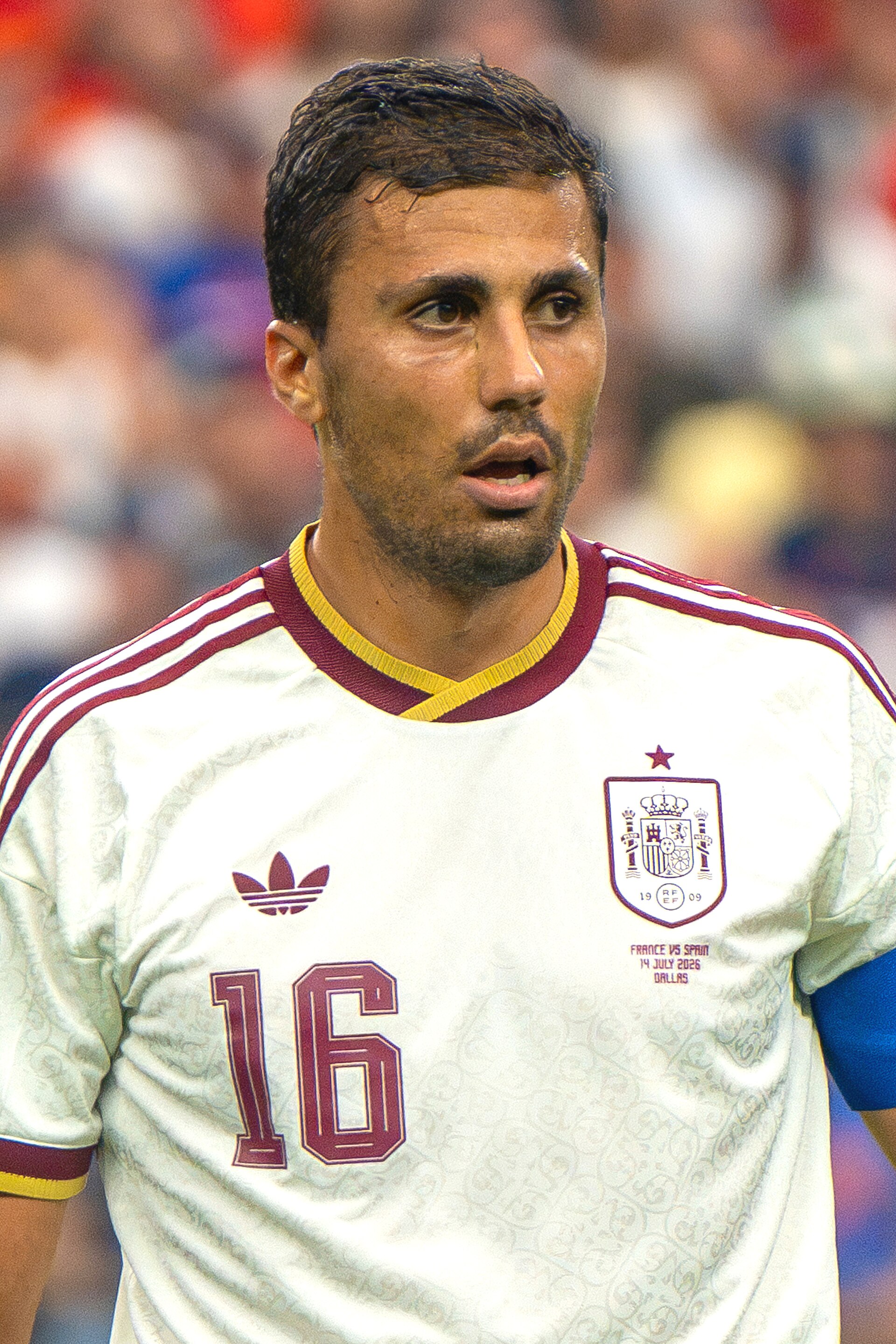
In the pristine, hyper-calculated universe of Pep Guardiola, football is a game of spatial chess played at 100 miles per hour. At the center of this chessboard sat Rodri: a human algorithm designed to suppress opposition counter-attacks while completing 110 sideways passes with 98.4 percent accuracy. But with BBC Sport dissecting Manchester City's new-look midfield and asking the previously unthinkable question of whether to cash in on the Spanish anchor, tactical analysts across the globe are having a collective existential crisis.
Fresh off the heels of Pep Says No To Italy Job Drama!, Guardiola faces a far more pressing board-game conundrum in Eastlands. When your rest defense relies on one man holding down the central corridor like an overworked nightclub bouncer, any structural shift feels like pulling a bottom block from a Jenga tower.
The Single-Pivot Math and Central Anarchy
To understand the Rodri dilemma, one must look at the brutal geometry of City's transition phases. In Pep's favored 3-2-2-3 setup, Rodri operates as a solitary broom sweeping up high-turnover debris. His progressive pass reception rate and defensive duel success rate consistently render opposition low blocks completely impotent.
Without him, City's midfield heat map transforms from a disciplined deep-blue stronghold into an abstract watercolor painting of defensive panic. Social media tacticians have not taken the theoretical re-build lightly.
🐦 @TacticalXavi_99: "Without Rodri, City's rest defense has the structural integrity of wet tissue paper in a rainstorm."
💬 u/EtihadEngineer: "Sell Rodri? Unless we are replacing him with a cloned hybrid of Sergio Busquets and prime Kante, this is pure statistical madness."
By The Metrics: The Anchor Effect
The numbers do not lie when evaluating the sheer load carried by City's midfield maestro. Here is how the team's underlying metrics shift when adjusting for his presence on the pitch:
| Metric (Per 90) | With Rodri | Without Rodri |
|---|---|---|
| Win Percentage | 74.2% | 58.3% |
| Expected Goals Against (xGA) | 0.85 | 1.32 |
| PPDA (Passes Per Def. Action) | 8.1 | 11.4 |
Re-Engineering the Engine Room
Should City decide that cashing in at peak valuation is the mathematically optimal move before age and mileage take their toll, restructuring the pivot will require a complete overhaul of Guardiola's positional play. Switching to a permanent double-pivot with Mateo Kovacic and Rico Lewis offers greater mobility in press-resistance, but drastically reduces aerial dominance during second-ball scrambles.
Alternatively, re-investing a massive transfer fee into a dynamic, box-to-box hybrid could allow City to transition from a controlling possession side into a high-octane pressing machine. However, teaching a new recruit the intricate geometry of Pep's inverted fullback rotations usually takes six months of rigorous chalkboard indoctrination.
Algorithmic Forecast and De-Risking Bets
Looking ahead into the upcoming Premier League campaign, City's tactical evolution will dictate whether they remain an unstoppable machine or become humanly vulnerable to middle-block counters. Expect Pep to experiment with asymmetric midfield rotations until the balance of rest-defense is restored.
For those looking for financial exposure on this tactical shift, back Manchester City to concede over 0.5 goals on fast breaks in early fixtures while the pivot settles. If you are feeling particularly wild, put a cheeky double on Guardiola over-thinking a Champions League setup with three inverted center-backs and zero natural holding midfielders.