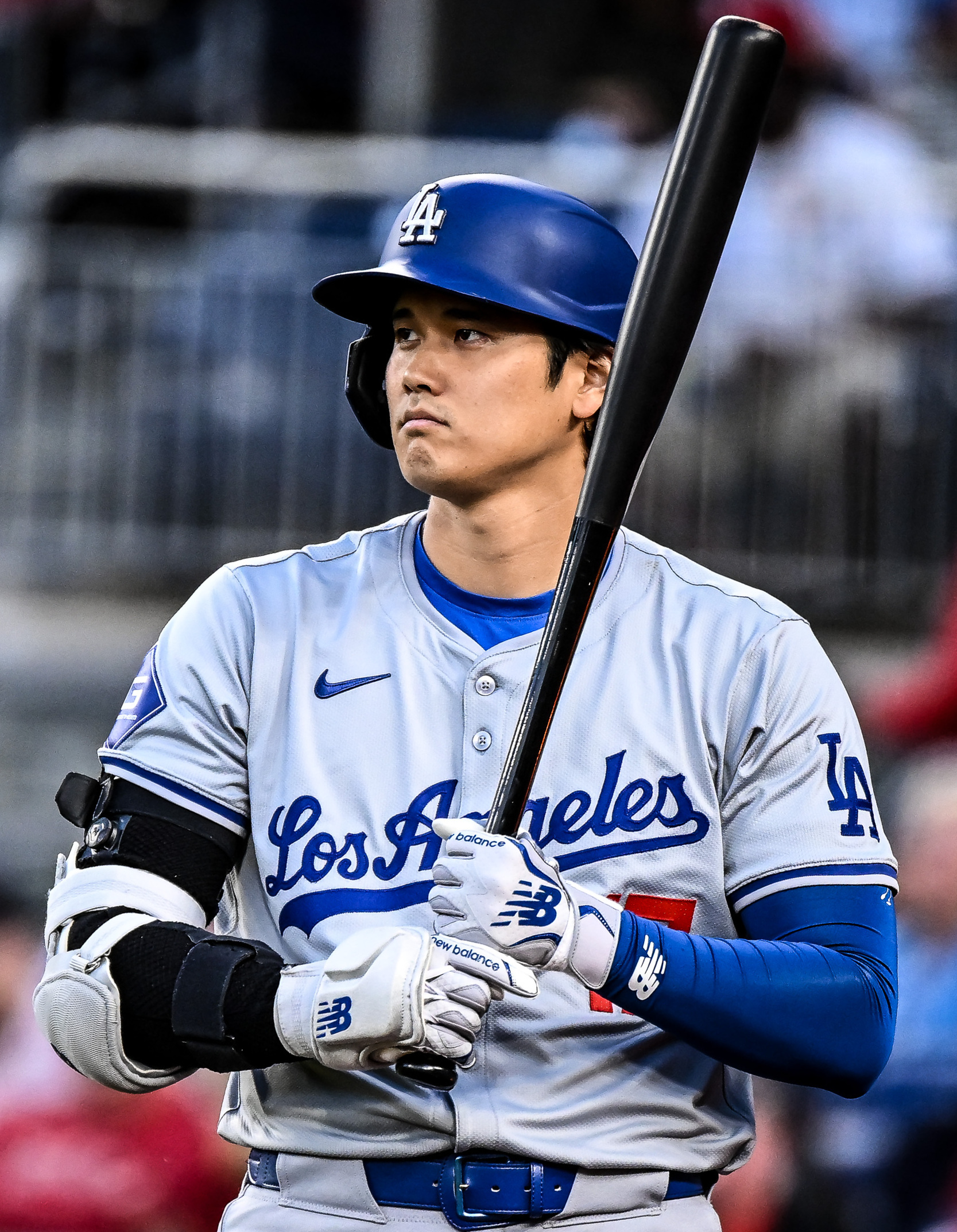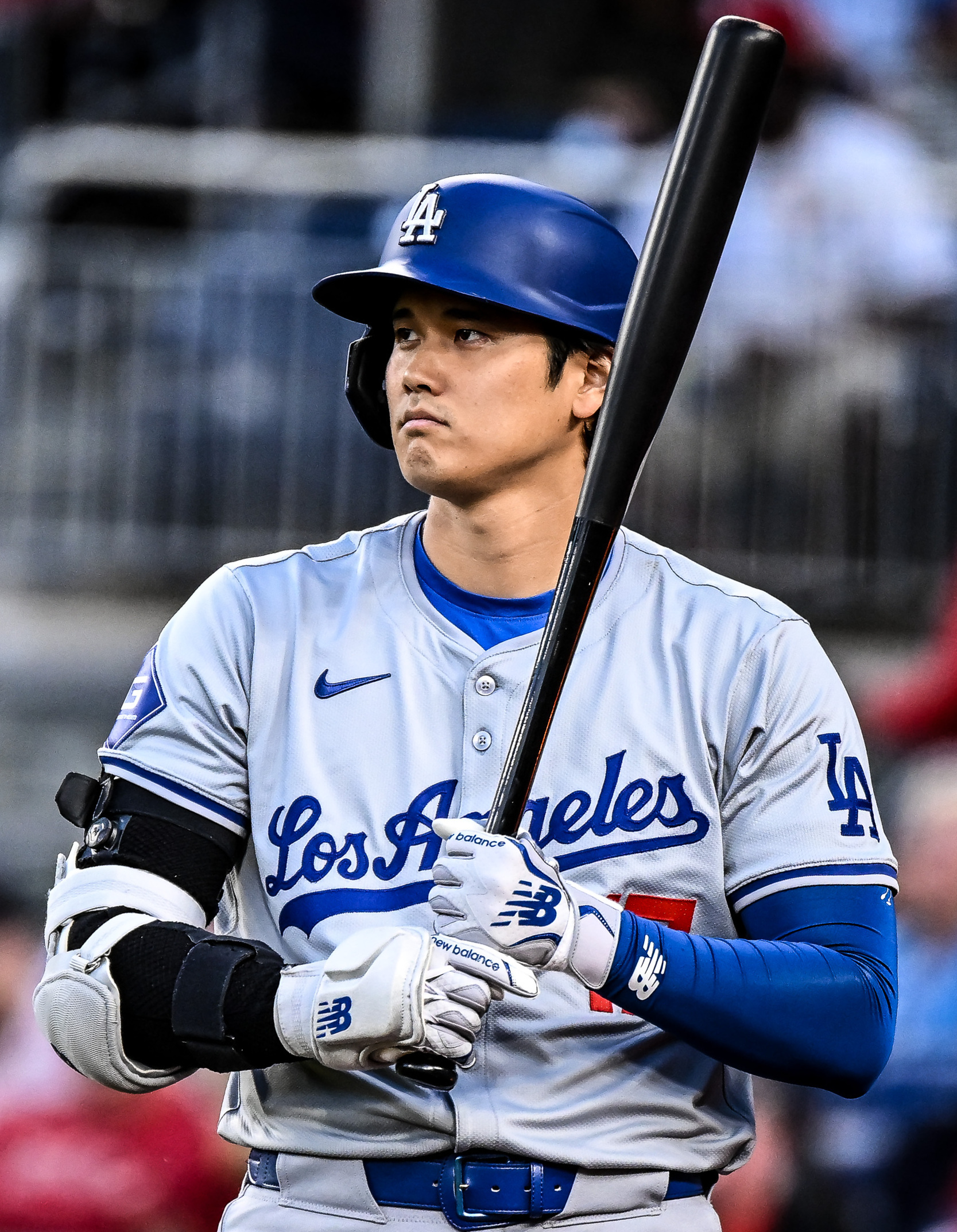
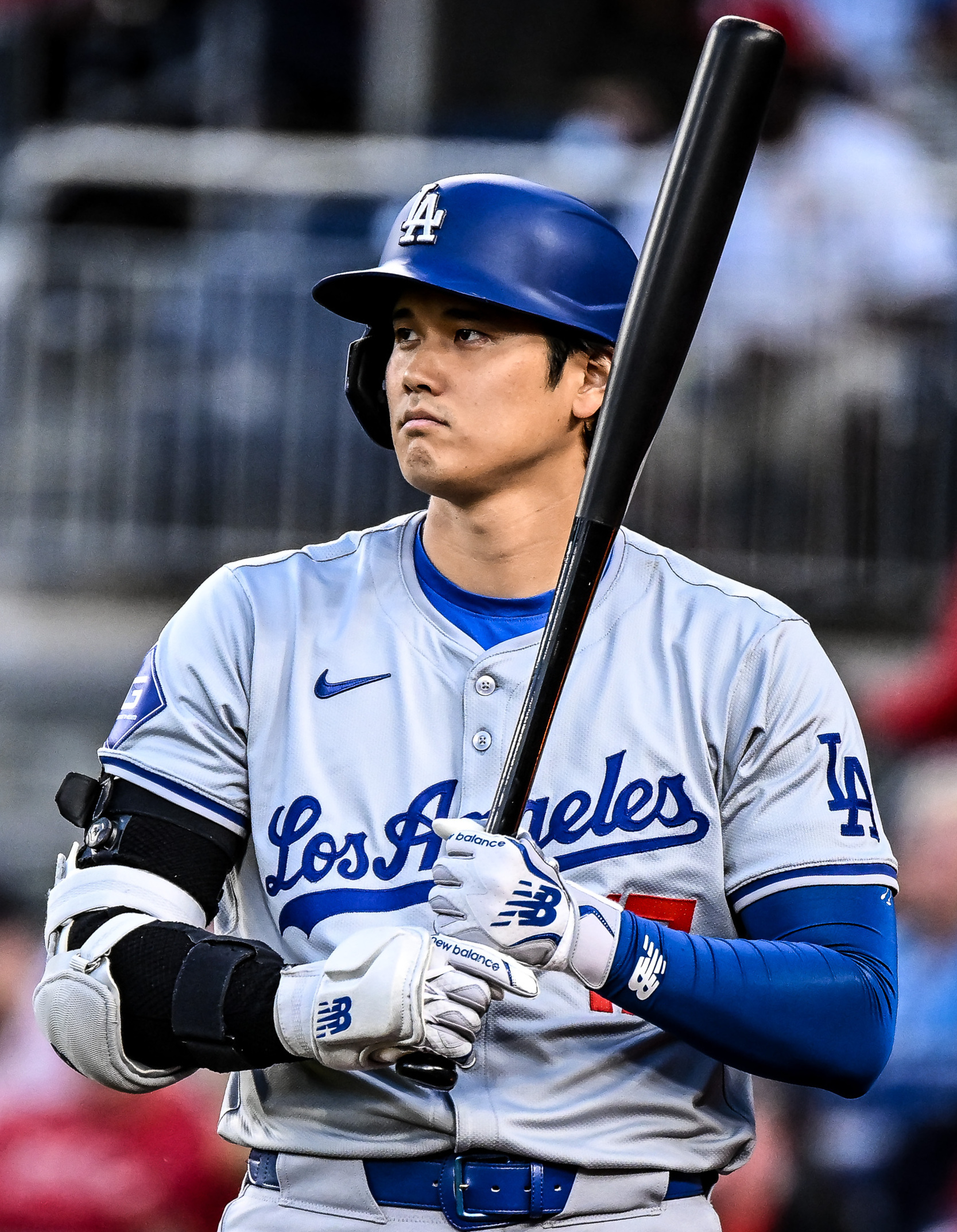
In the ruthless arena of sabermetric optimization, the human body remains the single most annoying variable. Just as financial models were rocked during the Clippers Circumvention Scandal Enters Sports History saga, baseball front offices are once again reminded that biological ligaments do not respect long-term actuarial tables. Shohei Ohtani, baseball's ultimate algorithmic cheat code, is dominating headlines as reports swirl regarding his mound timetable, all while an untimely day-to-day absence keeps the Los Angeles Dodgers analytical nerve center sweating over their spreadsheets.
The Ulnar Collateral Conundrum
The core thesis of Shohei Ohtani has always been portfolio diversification on the diamond. When you combine elite expected slugging (xSLG) at the plate with triple-digit fastball velocity and a sweeping slider that defies traditional Newtonian trajectory, you produce anomalous surplus value. However, reports highlighting caution around his pitching return underline an undeniable reality: biomechanical preservation must trump short-term rotation depth.
Dodgers manager Dave Roberts has simultaneously found himself managing short-term output, watching his designated hitting marvel miss consecutive starting lineups while maintaining hope that the superstar avoids an official Injured List stint. When an athlete producing an exit velocity profile in the 99th percentile sits out for four straight fixtures, the lineup's collective weighted on-base average (wOBA) feels an immediate, quantifiable draft.
🐦 @SabermetricSam: "Dodgers analytics team currently running 4,000 Monte Carlo simulations just to cope with Shohei resting on the bench for a weekend series."
💬 u/BlueHeavenStatcast: "Take all my arm ligaments, Dave Roberts. Take both elbows if it means we get the two-way anomaly back on the hill fully calibrated."
Optimizing The DH-Only Paradigm
While purists lament the absence of 100 mph heat from the bump, the tactical dividend of keeping Ohtani strictly at designated hitter has yielded historic baseline data. The table below illustrates the stark redistribution of physical stress and offensive leverage when pitching responsibilities are removed from the workload ledger:
| Metric Category | Two-Way Workload | Solely Designated Hitter |
|---|---|---|
| Biomechanical Torque Exposure | Extreme (Mound + Box) | Controlled (Isolated Box Swings) |
| Sprint Speed Preservation | Degraded by 6th Inning | Max Effort Baserunning Elite |
| Barrel Percentage Output | Top 5% MLB Baseline | Offensive Peak Efficiency |
| Managerial Anxiety Rating | Off the Charts | Mild Tachycardia |
The statistical argument is straightforward: by isolating his kinetic chain solely to swinging the lumber and generating sprint burst on the bases, the Dodgers isolate his purest run-creation metrics. Rushing mound rehabilitation when your rotation already features adequate secondary depth is a suboptimal allocation of a franchise-defining asset.
Predictive Models And Humorous Wagers
Looking ahead into the strategic horizon, Dave Roberts will continue to manage Ohtani's soft-tissue maintenance like fine china. Until medical protocols certify maximum elbow torque stability, expect the front office to treat any mound progression with extreme algorithmic paranoia. As for speculative markets, smart money suggests betting the Over on Dave Roberts using the word 'precautionary' at least seventeen times per week, taking the Under on Ohtani ever playing left field, and wagering heavily that opposition pitchers still sweat through their jerseys the second he steps back into the on-deck circle.