In an era where amateurism in college athletics looks less like a Corinthian ideal and more like an accounting rounding error, the Southeastern Conference has formally conceded defeat. Following a decisive court injunction barring the conference from sanctioning institutions that field athletes with previous professional ties, SEC officials confirmed they will comply with the judicial directive. For schematic architects across the southern footprint, the tactical ramifications are staggering.
The Legal Checkmate in the Trenches
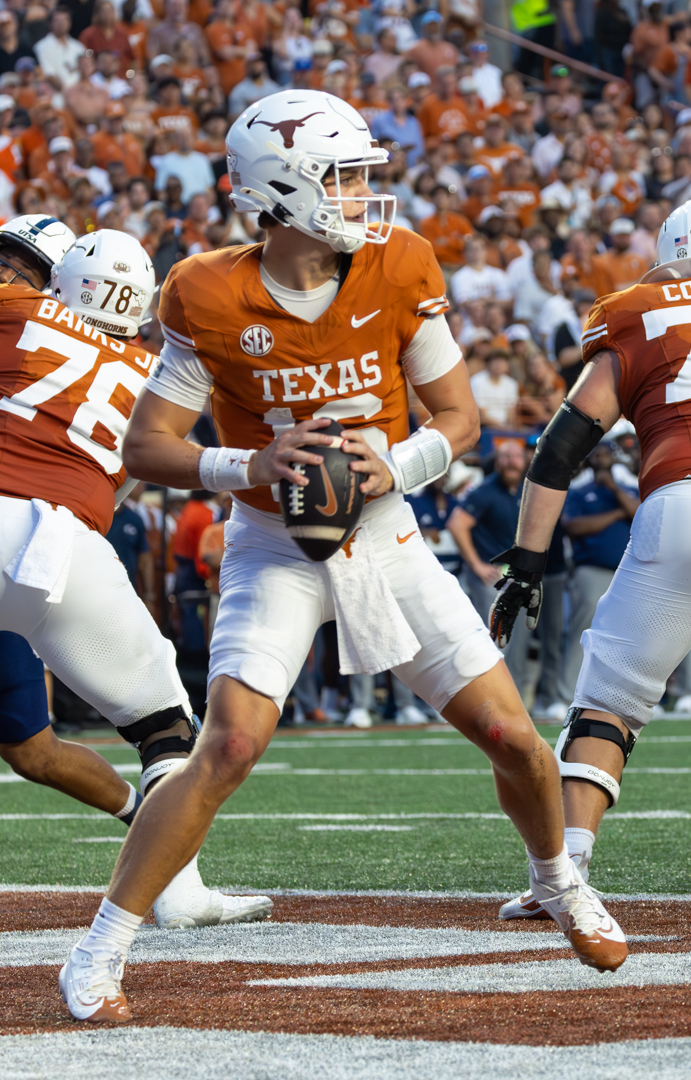
The injunction strips conference administrators of their traditional regulatory veto over professional eligibility. Essentially, if an athlete had a cup of coffee in the NFL or signed an NFL contract but retains collegiate eligibility clock windows under current judicial interpretations, the SEC cannot levy postseason bans, forfeiture of revenue, or roster point-reduction penalties. Fresh off recent collegiate chaos like when we questioned if Bill Belichick was already done at UNC, College Football has officially transformed into a shadow-developmental sandbox for veteran pros.
🐦 @GridironQuant: "Imagine trying to scheme up a Cover 3 match against an SEC boundary receiver who spent two training camps catching dig routes against NFL All-Pro defensive backs. The EPA per dropback is going to break our calculators."
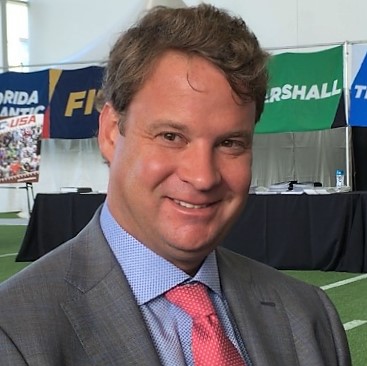
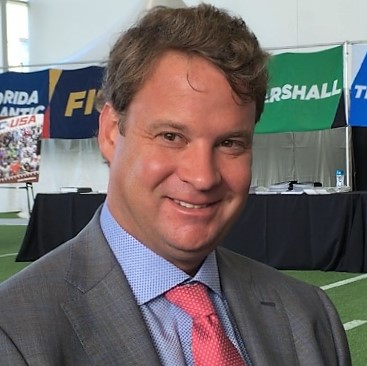
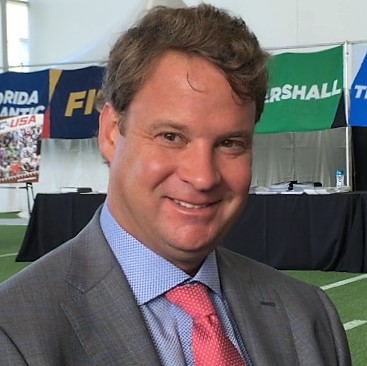
💬 u/BatonRougeScheme: "Lane Kiffin and LSU have essentially been given the legal green light to construct an NFL minor league roster while the rest of the country is still recruiting high school seniors."
Positional Value: Analyzing the Collegiate-Pro Discrepancy
From an expected points added (EPA) and defensive win rate perspective, slotting a fully developed 24-year-old trench operator against an 18-year-old true freshman creates an asymmetric advantage never seen in standard college line play.
| Recruiting Archetype | Mean Physical Age | Pass Rush Win Rate (%) | Schematic Processing Grade |
|---|---|---|---|
| Elite 5-Star True Freshman | 18.4 | 11.2% | 68.4 |
| Four-Year Senior Prospect | 21.8 | 16.8% | 79.2 |
| Ex-NFL Practice Squad Veteran | 24.1 | 27.6% | 91.5 |
As illustrated by the baseline metrics, importing players who have digested NFL playbook installations dramatically shifts red zone efficiency and pre-snap protection calls. Offenses will no longer struggle with delayed blitz identification against sophisticated dime packages.
Tactical Repercussions and Playbook Integration
Programs like LSU and coaches like Lane Kiffin are primed to exploit this regulatory pivot. In modern college spread systems, the primary bottleneck has always been quarterback processing time against exotic pre-snap disguises. By deploying seasoned tight ends and offensive linemen who understand six-man protection slides, offensive coordinators can transition seamlessly from simple zone-read concepts into complex NFL-style Shanahan-tree horizontal stretches.
Defensive coordinators, meanwhile, are frantically recalculating coverage shells. Defending boundary isolation routes against an athlete with pro-level route tree discipline requires bracket coverage, which immediately weakens run-support fits in the B-gap.
Future Outlook and Quantitative Projections
Expect immediate roster moves as programs quickly finalize portal acquisitions before fall camp depth charts solidify. While the NCAA legal department scrambles for long-term clarity, the short-term advantage belongs entirely to programs with aggressive compliance departments and robust NIL war chests.
For the analytical bettor, look hard at early season SEC totals. Backing LSU and elite offenses to cover first-half team totals against out-of-conference FCS or Group of Five opponents is a prime value proposition, as physical mismatches on offensive line run-blocking grades will tilt blowouts early.