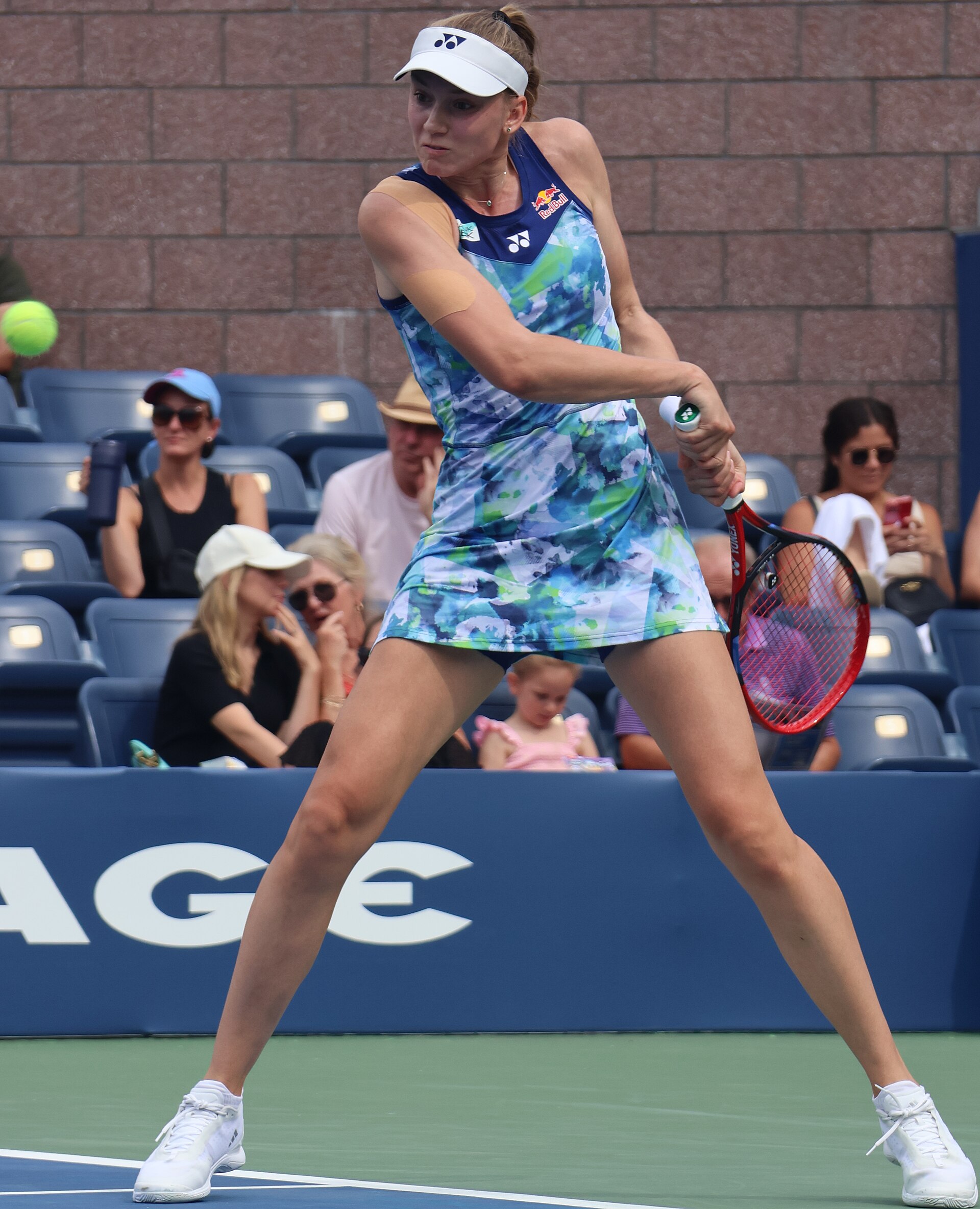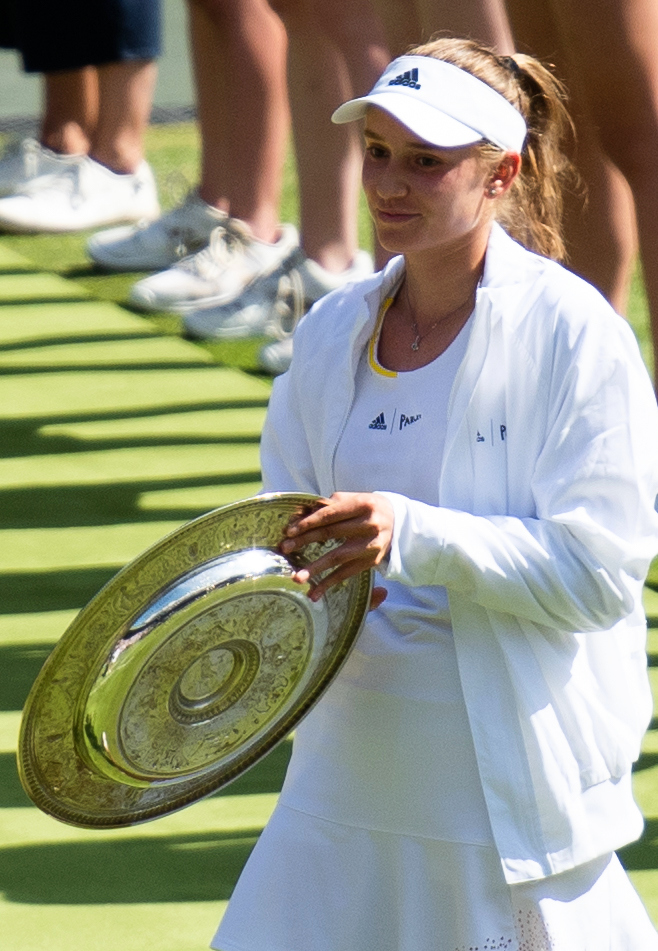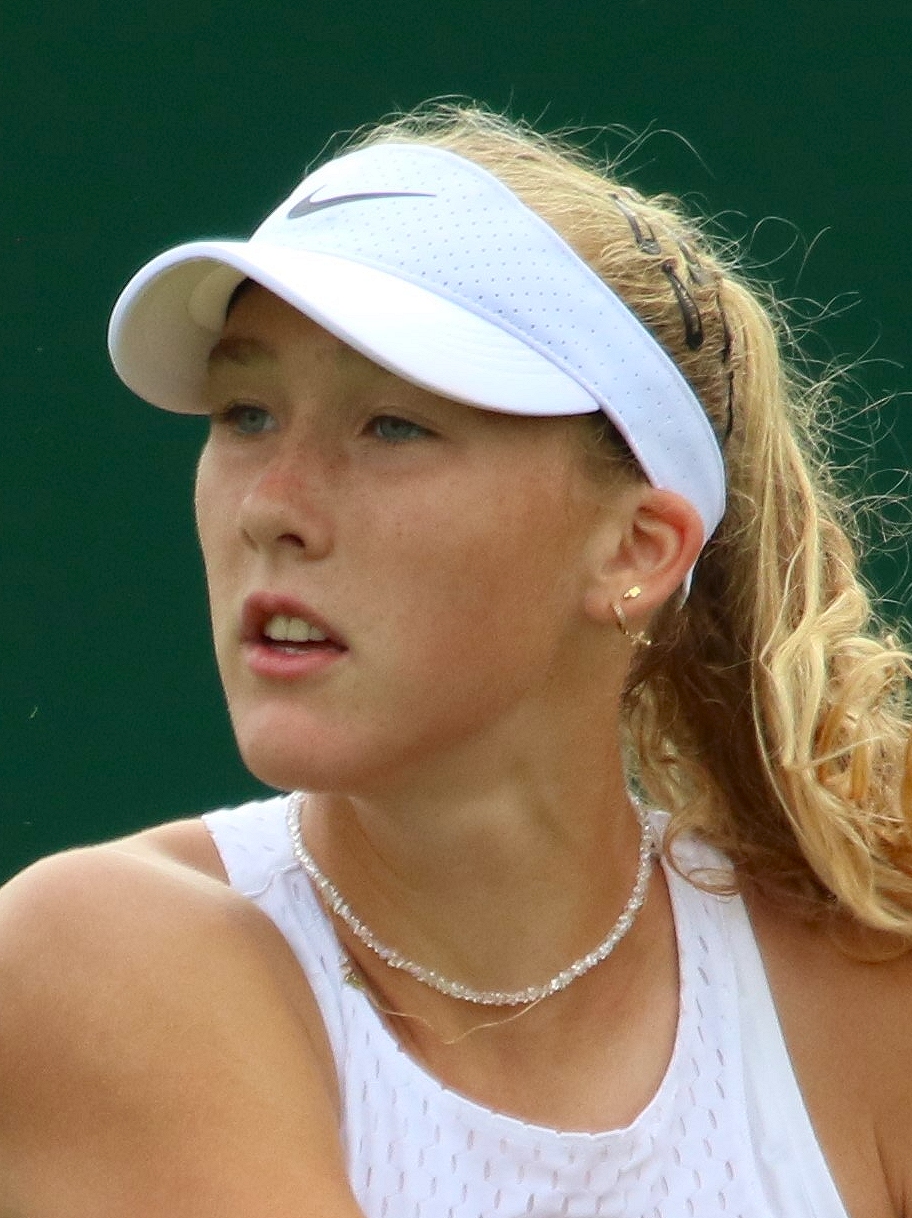
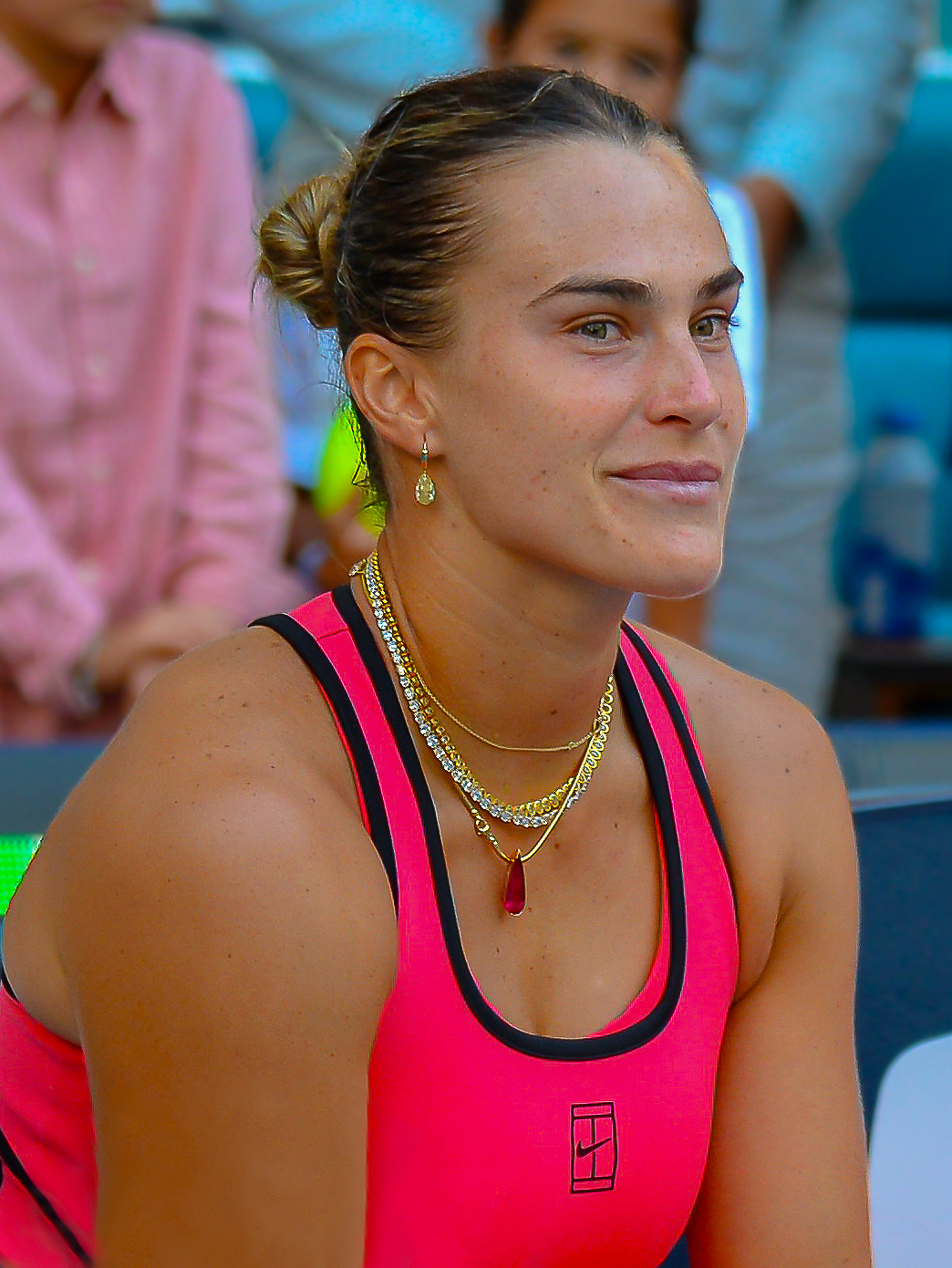
If you prefer chess played at three miles per hour with delicate drop shots and nuanced cross-court geometry, you probably should have averted your gaze from Arthur Ashe Stadium. What Aryna Sabalenka and Elena Rybakina brought to the court was less traditional tennis and more an unsanctioned physics experiment testing the absolute tensile limit of optic-yellow felt. Fresh off the heels of the men's madness where we saw Shelton Torpedoes Tiafoe in Semi-Final Thriller, New York was once again treated to pure, high-velocity artillery.
The Radar Gun Calibration Crisis
Entering this clash, every predictive model pointed toward a brutal war of attrition along the baseline, defined by server dominance and first-strike metrics. Sabalenka came in chewing up second serves like cheap computational memory, while Rybakina brought her signature ice-cold demeanor, hitting flat spots on the hardcourt with an error margin tighter than an Excel cell formula. When these two collide, rally length plummets toward an average of 3.2 strokes, making positioning on the serve-plus-one phase the single most critical variable in modern sports telemetry.
Predictably, the internet did what it always does: abandoned nuance and embraced the acoustic chaos of 80-mph forehands echoing into Queens.
🐦 @BaselineGeek88: "My decibel meter just exploded. Sabalenka is grunting at 104 decibels and Rybakina is silently dismantling crosscourt angles like an assassin."
💬 u/TennisQuant: "Rybakina's flat backhand trajectories are shaving atoms off the net tape. This is not tennis, this is applied ballistics."
Tale of the Ballistic Tape
To truly understand how this clash dissected standard defensive frameworks, one must look at the key tactical metrics generated during this tournament's final stretch:
| Metric | Aryna Sabalenka | Elena Rybakina |
|---|---|---|
| Avg. Forehand Speed (mph) | 79.4 | 76.8 |
| 1st Serve Unreturned Rate | 41.2% | 44.8% |
| Aggressive Margin Index | +14 | +18 |
| Decibel Level at Contact | Jet Engine | Library Whispers |
Algorithmic Projections And Degenerate Punts
What does this mean for the post-Flushing Meadows ecosystem? For starters, the defensive baseline grinders need to update their firmware. If you cannot produce heavy topspin depth within three feet of the baseline against this level of terminal velocity, your expected win probability slides directly toward zero. Sabalenka has perfected the art of violent deceleration, while Rybakina continues to exhibit the resting heart rate of a hibernating turtle even when facing break points at 30-40.
For those looking to exploit market inefficiencies with the bookmakers for the Asian swing, here are our mathematically rigorous, mildly unhinged recommendations:
- Over 1.5 Shattered Rackets: Hammer this anytime the unforced error count on Sabalenka's forehand wing creeps above 18 within a 45-minute window.
- Rybakina Pulse Rate Under 65 BPM: Lock of the century, regardless of whether she is serving for a championship or casually ordering an iced latte.
- Net Cord Trajectory Over 4.5: Bet heavily on any match where flat trajectories collide; the nylon never stood a chance.