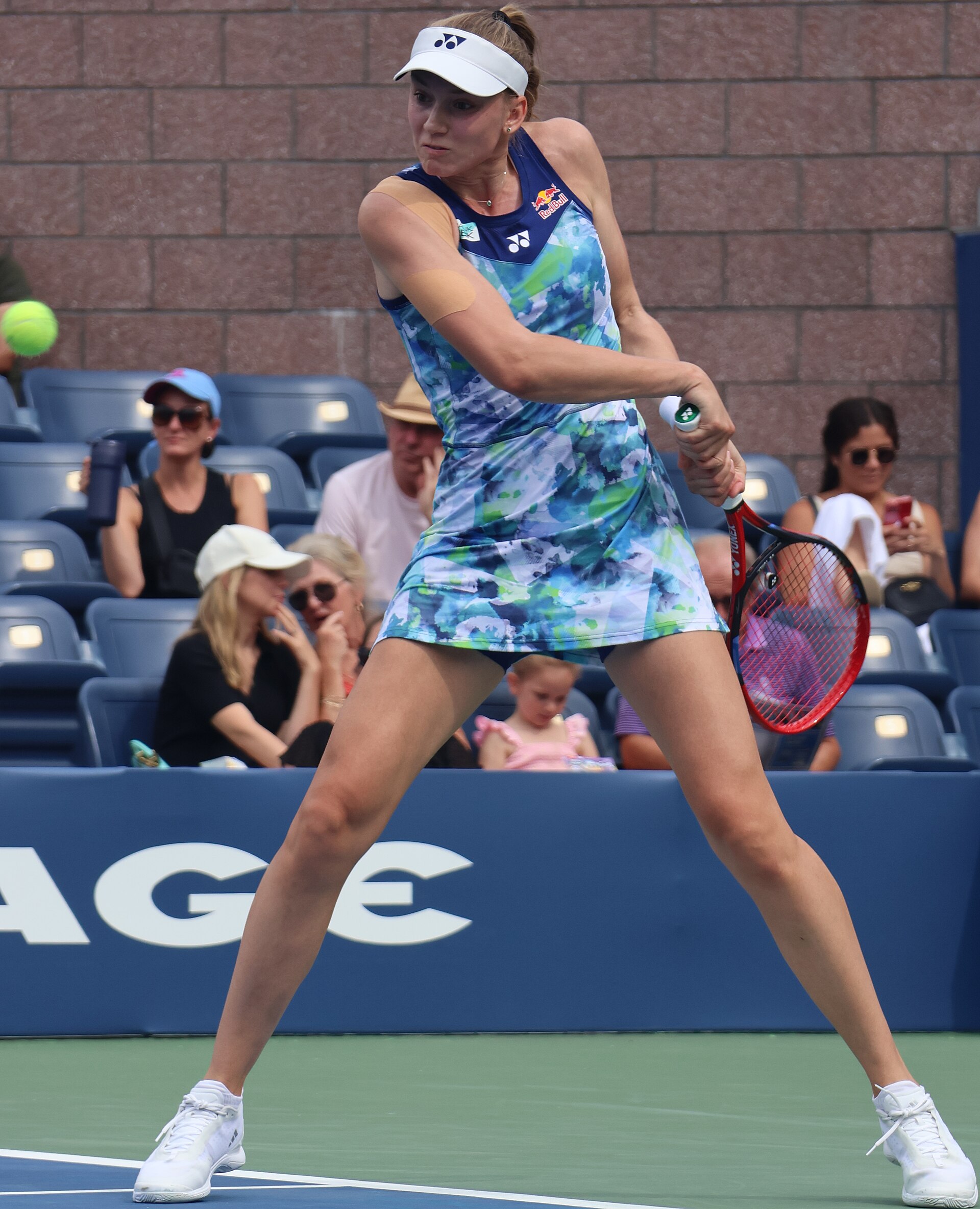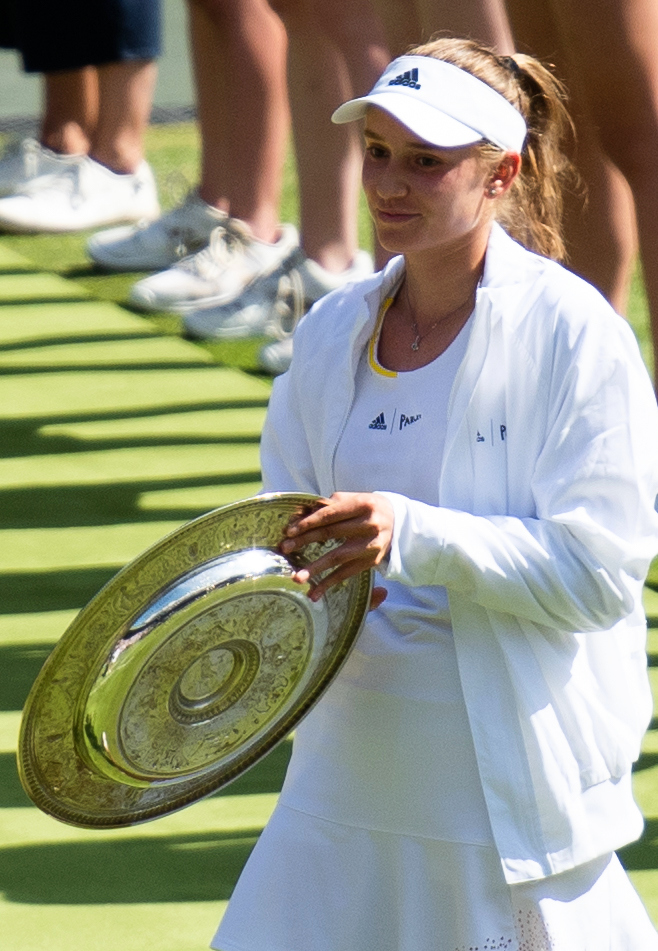
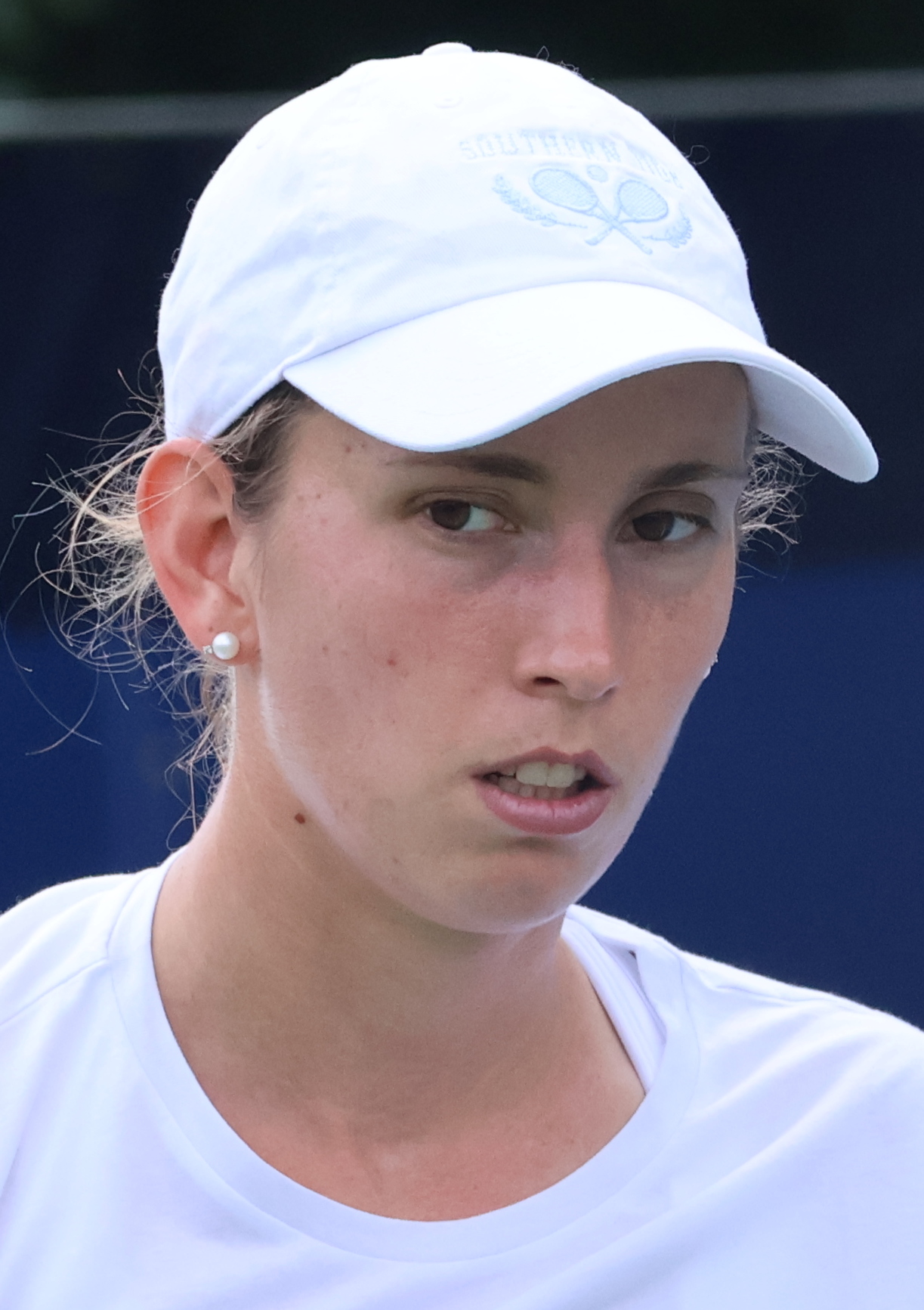
Just when the grass courts of Wimbledon were starting to feel like home for the top seeds, the universe decided to throw a wrench into the carefully calibrated algorithms of predictive analytics. Fresh off the heels of the earlier 'court chaos' that saw certain sisters allegedly snubbed, we now have a new data point for statistical anomalies: Elena Rybakina, the second seed and former champion, has been unceremoniously escorted out of the tournament by the ever-consistent, yet rarely headline-grabbing, Elise Mertens in the third round. And, for good measure, defending champion Iga Świątek also took an early bath. It seems the Wimbledon scriptwriters have decided 'predictable' is a dirty word this year.
The Baseline Blues & Whispers in the White Tent
The murmurs started as early as the first set. Rybakina, typically a paragon of baseline power and precision, seemed... well, human. Her serve, usually a weapon of mass destruction, was operating at a mere 61% first-serve efficiency. For a player whose tactical blueprint often hinges on overwhelming opponents with velocity and depth off the first ball, this was akin to a Formula 1 car running on three cylinders. Mertens, meanwhile, executed a defensive scheme that was nothing short of brilliant. Her return game, often underestimated, consistently neutralized Rybakina's initial assault, forcing longer rallies where the Kazakhstani's forehand, usually a beacon of controlled aggression, began to misfire.
🐦 @TennisTactician23: "Rybakina's unforced error matrix in that first set was... problematic. The xG for clean winners was significantly below her seasonal average. Mertens played the percentages beautifully."
The locker room gossip, if my sources are to be believed (and they always are when it involves spilled kombucha and hushed tones), suggests a pre-match confidence bordering on complacency from the Rybakina camp. "She's got the power, the pedigree," one anonymous coach allegedly quipped, "Mertens will just run. We'll hit through her." Oh, the irony. Mertens didn't just run; she ran circuits around the conventional wisdom, turning Rybakina's power into an advantage for herself by forcing errors and dictating the defensive rhythm.
Deconstructing the Demise: A Forehand Folly?
Let's get granular. Rybakina's usually impenetrable serve-plus-one strategy was consistently disrupted. Mertens, displaying an admirable understanding of court geometry, would often return deep to Rybakina's backhand, forcing her to open up the court. This opened the door for Mertens to exploit the forehand wing, which, surprisingly, became a source of vulnerability for Rybakina. The data points suggest a significant increase in unforced errors from that side, particularly when forced to hit on the run. Mertens's ability to maintain depth and absorb pace, coupled with her uncanny knack for finding the lines, dismantled Rybakina's rhythm piece by piece.
| Statistic | Elena Rybakina | Elise Mertens |
|---|---|---|
| First Serve % | 61% | 73% |
| Aces | 5 | 2 |
| Double Faults | 4 | 1 |
| Winners | 28 | 19 |
| Unforced Errors | 38 | 22 |
| Break Points Converted | 2/8 | 4/6 |
As you can see from the empirical evidence, while Rybakina hit more winners, her unforced error count was almost double Mertens's. This disparity in error margins is often the silent assassin of top-tier campaigns. Mertens's tactical discipline to simply 'keep the ball in play' and wait for Rybakina's power to self-destruct was a masterclass in counter-punching tennis.
💬 u/CourtStrategist: "Mertens's court positioning was impeccable. She consistently denied Rybakina the short ball, forcing her to generate all the pace, and eventually, the errors."
Prognostications & Punditry: Betting on the Unpredictable
What does this seismic shift mean for the Wimbledon draw? Well, it means the women's singles bracket is now a veritable minefield of unpredictability. With both the second and first (Świątek) seeds out, the path to the final is wide open for a new contender. Mertens, riding this wave of high-profile upsets, will undoubtedly be brimming with confidence. Her methodical, defensive style could prove incredibly effective against players who rely on rhythm and pace.
For those looking to place a cheeky wager, consider Mertens as a dark horse for a deeper run. Her odds will have certainly shortened, but the psychological boost from taking out a former champion is a significant variable. Alternatively, look for players with a strong all-court game and excellent defensive capabilities to thrive in this newly chaotic landscape. Betting recommendation: Mertens to reach the semi-finals at slightly inflated odds seems a statistically sound, if somewhat emotionally draining, proposition. As for Rybakina, expect a period of rigorous serve mechanics drills and a deep dive into her forehand metrics. The grass, it seems, is not always greener on the other side of the draw.