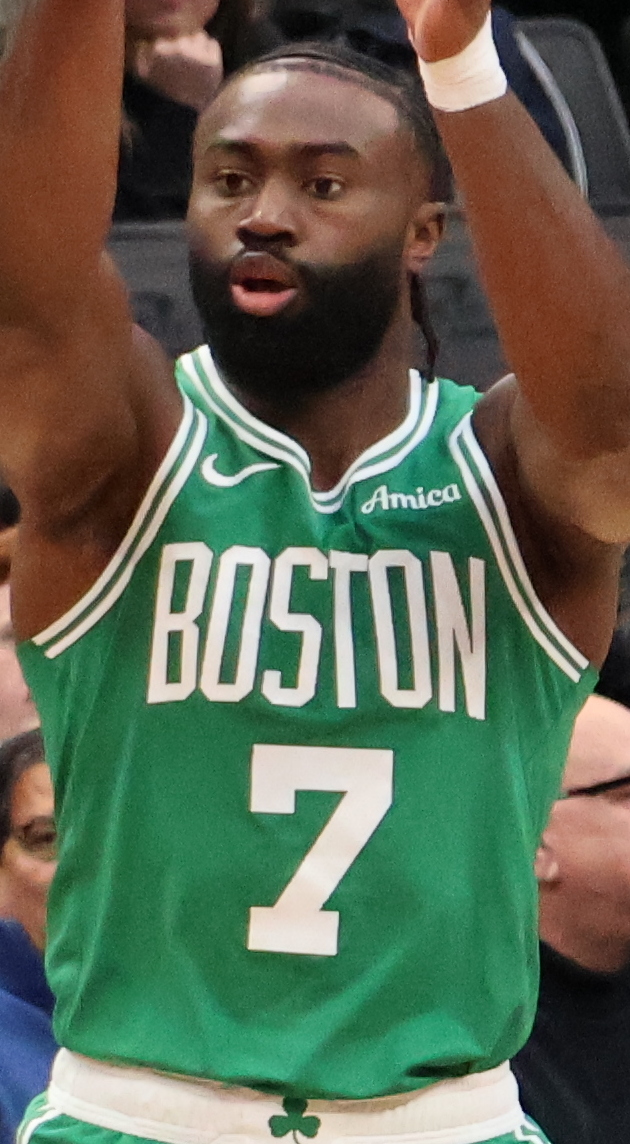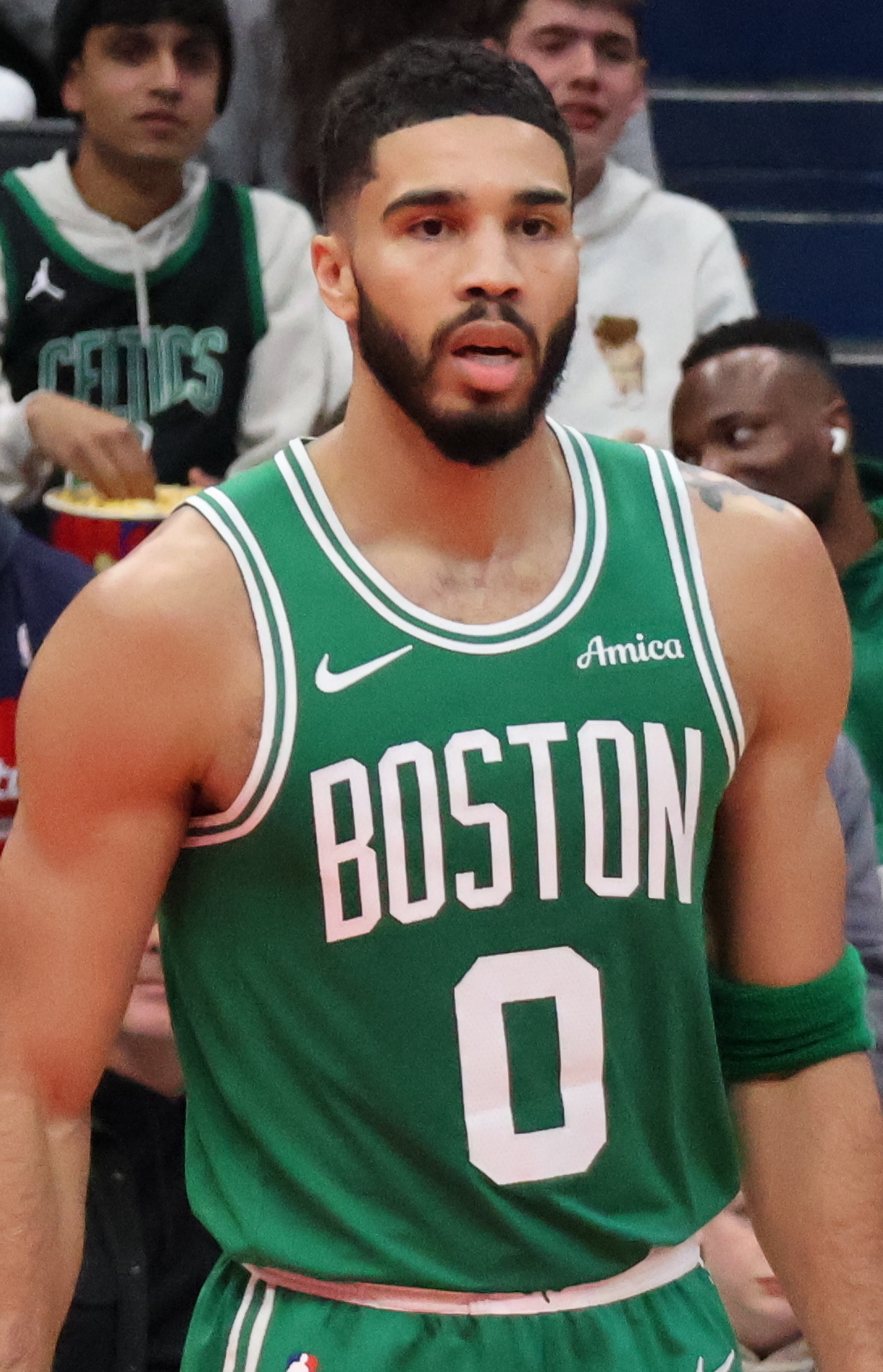
Nothing screams elite professional athletics quite like an opening-day matinee in Detroit, where the hardwood lighting reflects off the clipboards of terrified coaching staffs. Fresh off the heels of our recent dossier where NBA 2026-27 Expert Picks Spark Absolute Mayhem!, the regular season kicked off in Motown with an algebraic horror show for Boston. The Celtics stepped onto the floor to inaugurate the post-Jaylen Brown timeline, and based on eighty-two-game projection models, the initial sample size yields pure panic.
Spacing Anomalies in the Post-Jaylen Universe
Without Brown to warp weakside help defenders with rim-pressure gravity, Boston discovered that offensive geometry collapses rapidly when perimeter spacing relies on theoretical threats. Joe Mazzulla clipboard adjustments looked less like championship engineering and more like someone frantically deleting duplicate columns in Microsoft Excel. Detroit capitalized on Boston sluggish half-court sets, sagging into gaps and essentially daring anyone wearing green to hit a contested elbow jumper.
Instead of crisp split-cuts and weakside flare screens, Boston degenerated into stagnant isolation sequences that completely tanked their expected points per possession. The Pistons, who spent recent campaigns serving as statistical padding for opposing wings, looked downright coordinated while funneling Boston ball-handlers directly into congested driving lanes.
The Fourth Quarter Rotational Catastrophe
The real comedy occurred down the stretch. Detroit engineered an epic fourth-quarter surge led by Jalen Duren, Jaden Ivey, and the backcourt punch of Green and Robinson. Boston defensive rating in crunch time plummeted off a cliff as their transition coverage evaporated entirely. When Detroit initiated secondary transition, the Celtics displayed the lateral mobility of dial-up internet, consistently failing to match up on cross-matches.
🐦 @GreenRunStats: "Our half-court offensive rating without Jaylen just dropped lower than my 401k during tax season. Disgusting ball-watching."
💬 u/MotorCityData: "Turns out if you simply outwork Boston on the glass and run high-pick-and-roll against drop coverage, miracles happen on a Tuesday afternoon."
Fourth Quarter Breakdown: Expected vs. Actual
| Metric | Boston Celtics | Detroit Pistons |
|---|---|---|
| Effective FG% (Q4) | 36.8% | 58.2% |
| Defensive Rebound % | 61.5% | 84.6% |
| Points off Turnovers | 2 | 11 |
| Pace Factor (Q4) | 91.2 | 104.5 |
As the table demonstrates, Detroit pushed pace, hunting mismatched cross-screens in early offense while Boston perimeter containment disintegrated. Green and Robinson repeatedly punctured the paint, generating high-value kickouts and second-chance points that left the Celtics bench staring into the middle distance.
Statistical Forecast & Degrading Wagers
From an analytical standpoint, writing off Boston entire season based on an afternoon opener in Detroit is statistically irresponsible, which makes it deeply satisfying. The tape shows that without Brown secondary scoring load, Jayson Tatum will be facing aggressive box-and-one wrinkles until Mazzulla unlocks reliable weakside cutting. For Detroit, surviving the fourth quarter with positive net rating suggests they might actually climb out of the NBA draft lottery basement.
If you enjoy setting currency on fire, hammer Boston under on total team three-pointers until their offensive spacing recalculates. Conversely, wager heavily on Detroit covering early spreads whenever opponents show up drowsy for matinee tip-offs.