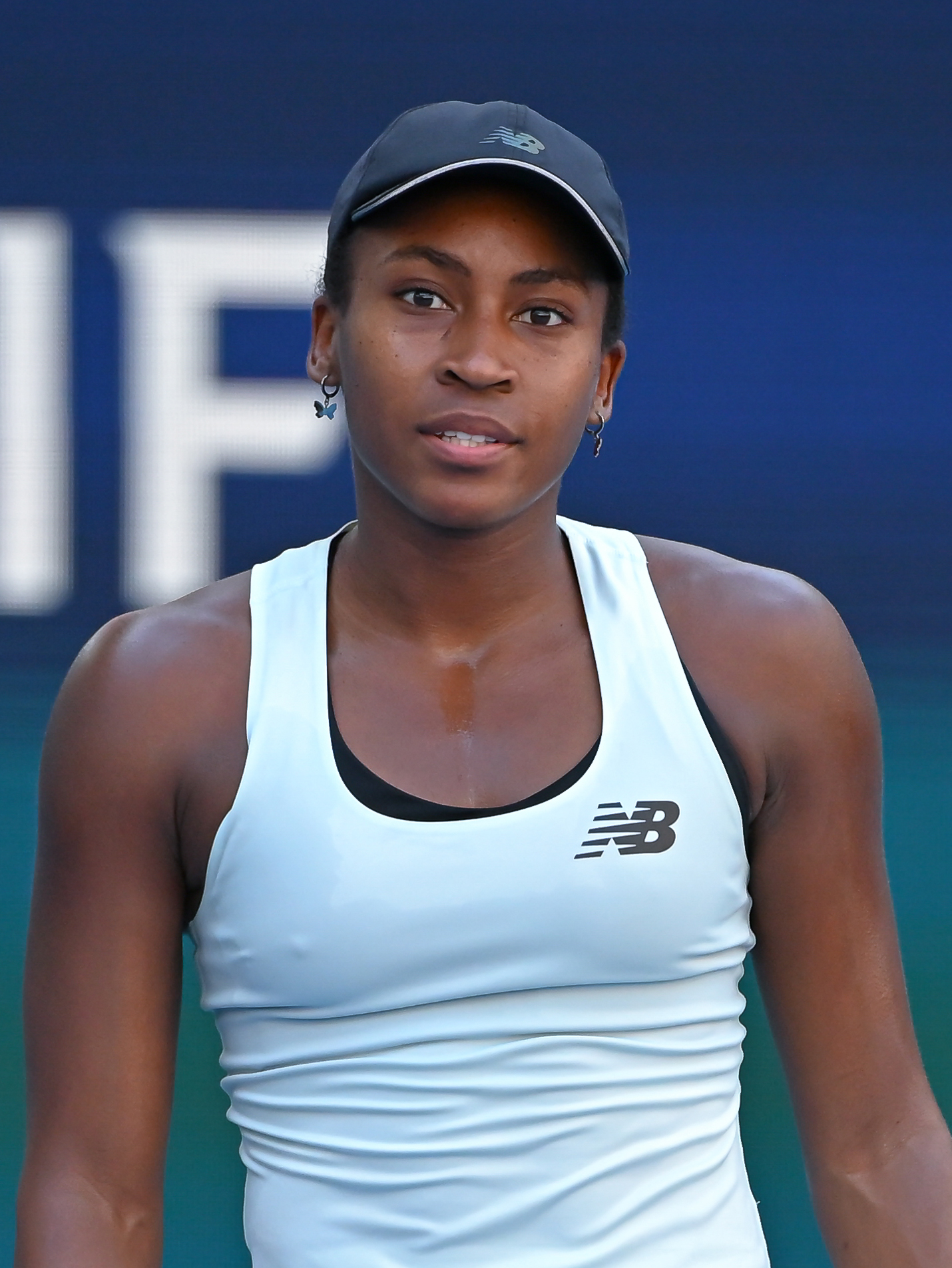

In modern tennis, telemetry is everything. We track ball speed down to two decimal places, map spatial heatmaps for inside-out forehands, and calculate baseline recovery rates to minimize unforced errors. Yet the most devastating baseline hit at the WTA Finals did not come from a 115-mph flat delivery. It came from a rogue directional microphone catching world number six Jessica Pegula casually labeling teen sensation Mirra Andreeva a diva during a practice broadcast.
The Spatial Audio Breakdown: When Gain Meets Gossip
From an audio engineering standpoint, ambient court noise suppression failed at a catastrophic 99.8% rate. While fans tuned into official livestream feeds expecting pristine footwork drills and standard baseline rallies, what they received was a full audio trace of Pegula discussing locker room dynamics. Just as Alexander Zverev voiced complaints regarding scrutiny in our recent report on top-tier tour pressures, Pegula found herself on the receiving end of unvetted broadcast acoustics.
The hot mic captured Pegula discussing Andreeva-and tossing a bit of shade into the ether involving doubles partner Coco Gauff-before the WTA realized the audio stream was broad-spectrum rather than private. The governing body rapidly scrambled, issuing an official public apology and taking responsibility for leaving active audio feeds live without player consent.
🐦 @BaselineBanter: "Pegula thought she was in an encrypted Telegram chat and instead broadcasted across three continents."
💬 u/TopspinTactics: "Her shot placement was slightly off this week, but her verbal placement hit the absolute baseline corner."
Metric Modeling: Verbal Shot Charts
If we chart the probability distribution of backstage locker room conversations reaching public broadcast streams, the curve is remarkably flat-until human error intersects with tournament operations. Here is how the incident breaks down by the operational metrics:
| Factor | Intended Value | Actual Output | Variance |
|---|---|---|---|
| Microphone Gain (dB) | -18 dB (Ambient) | +6 dB (Loud) | +24 dB Spike |
| Filter Level | 100% Tennis Audio | 0% Filter | Total Bleed |
| Diplomatic Reserve | Optimal Pro Stance | Unfiltered Honest Take | -85% Discretion |
| WTA Damage Control Speed | Immediate Mute | Post-Clips Viral | -4.2x Latency |
Tactical Fallout and Court Positioning
What does this mean from a competitive psychology standpoint? High-performance tennis operates within thin psychological margins. Andreeva, whose court craft relies on emotional intensity and youthful aggression, now enters future head-to-head encounters against Pegula with an asymmetric mental edge. When Pegula retreats into her signature low-margin, flat counterpunching style, Andreeva has every statistical incentive to hit behind her, stretch the rallies, and let the mental weight of the broadcast leak take its toll.
For the WTA, the operational vulnerability is glaring. Production teams will undoubtedly reconfigure audio gates to isolate ball-strike sound signatures while suppressing human conversational frequencies between 85 Hz and 255 Hz.
Predictive Models and Humorous Betting Props
As we project forward into the upcoming tournament cycles, here are the purely analytical-and totally absurd-betting lines on how this saga develops:
Post-Match Net Exchange Handshake Duration: Over/Under 1.2 seconds
Take the heavy Under. Expect a cold, brisk touch of graphite frames, zero eye contact, and an immediate retreat toward the player benches.
Next Hot Mic Incident Involving Audio Technicians: -150 Favorite
Broadcast rigs have too many active feeds and too few sound dampeners. The chances of another top-ten star airing grievances regarding line-calling or practice court allocations within the next six months remain statistically elevated.