
When measuring Expected Points Added (EPA) per snap, defensive coordinators typically isolate pre-snap motions, route stems, and blitz pickup execution. They do not typically incorporate tear gas dissipation rates across the Seine into their play-calling sheets. Yet here we are in Week 7, watching the NFL execute an operational containment scheme in Paris that looks less like standard Cover 3 and more like an armored diplomatic convoy.
Fresh off the heels of the NFLPA Probes Jalen Hurts London Medical Chaos report, the league has ventured across the Atlantic once more. This time, the Pittsburgh Steelers and New Orleans Saints find themselves maneuvering around Parisian civil unrest. While New Orleans held their initial walkthroughs and the Steelers packed their flight manifests, a former member of the NFL security committee revealed the operational reality: layered intelligence sharing with French authorities, hardened transport corridors, and precise logistical routing designed to limit exposure to volatile hot spots.
The Bottom-Line Scheme: Economic Efficiency Over Tactical Withdrawal
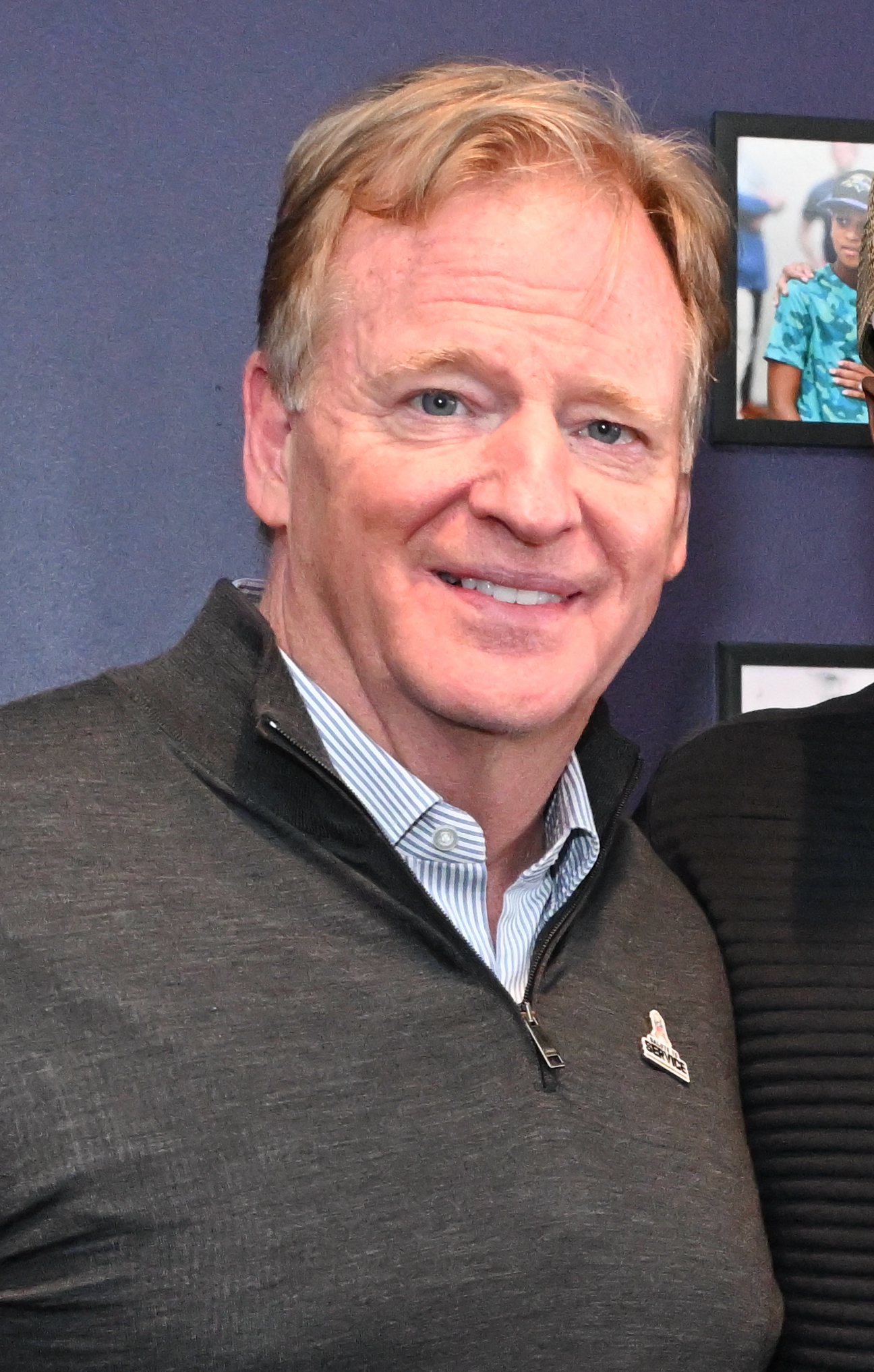
League commissioner Roger Goodell confirmed he remains completely comfortable with the security posture for the game. However, Steelers veteran defensive tackle Cam Heyward offered a distinctly more pragmatic, zero-blitz assessment of the enterprise. Heyward bluntly noted to reporters that the fixture was never going to be canceled for a very fundamental reason: the NFL likes money.
🐦 @GridironAnarchist: "Cam Heyward dropping absolute truth bombs. Roger Goodell would schedule a Week 8 matchup inside an active volcano if the European streaming revenue cleared."
💬 u/SteelersFilmStudy: "Forget disguising safety alignments against Derek Carr. We need a literal titanium low block around the team bus on the Boulevard Saint-Germain."
Heyward's diagnostic efficiency matches his pass-rush win rate. When balancing player risk variables against multi-million-dollar international broadcast commitments, the front-office regression model invariably favors kicking off on schedule.
Containment Metrics: Personnel Breakdown
To quantify the defensive posture deployed across the French capital, consider how the operational footprint compares to standard football containment schemes:
| Unit / Variable | Traditional Scheme | Paris Operational Protocol |
|---|---|---|
| Primary Perimeter | Boundary Cornerbacks | Local Gendarmerie and Private Security Shell |
| Threat Assessment | A-Gap Blitz / Play Action | Protest Bottlenecks and Route Blockades |
| Player Dispersion | Spread Formation (11 Personnel) | Tight Travel Cluster (Maximum Protection) |
| Stated Objective | Sub-0.05 EPA Allowed | Preserve Broadcast Slot and Secure Gate Revenue |
Analytical Projections and Tactical Wagering
From an Xs and Os perspective, expect significant operational sluggishness from both sidelines. Jet lag coupled with extreme hotel confinement protocols severely restricts the customary neuromuscular activation cycles players rely on during game week. When teams spend their travel windows inside fortified corridors rather than standard recovery schedules, second-half regression models spike dramatically.
For the sports science and wagering community, take a sharp look at the Under on total first-quarter points. Teams placed under restrictive hotel lockdown protocols traditionally demonstrate lower offensive pacing, elevated three-and-out percentages, and conservative field-position punting. Laying points on any team running intricate pre-snap timing routes seems mathematically ill-advised amid Europe's most chaotic international deployment to date.