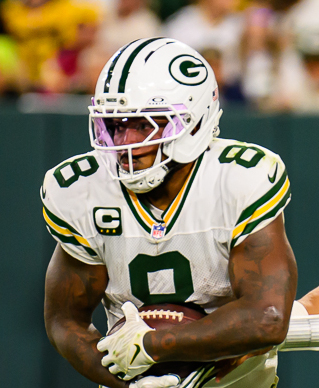
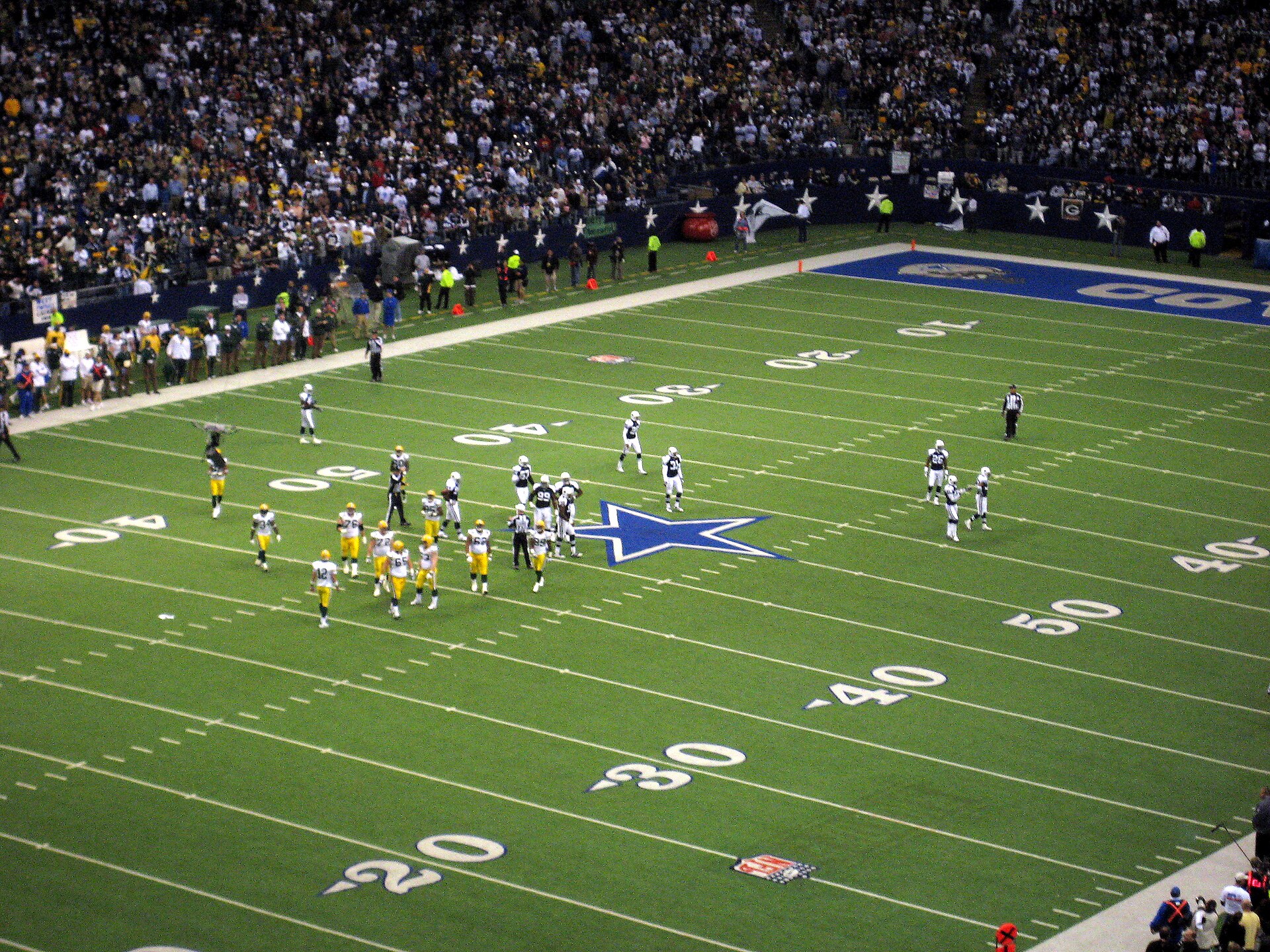
If you get your cardiovascular thrills from pristine late-down conversion rates and ruthless red-zone leverage, Sunday afternoon was basically pure dopamine. The Green Bay Packers rolled into Arlington and executed an exercise in spatial restriction, dismantling the Dallas Cowboys 23-13. While America watched a football game, the analytics spreadsheet saw an agonizing, slow-motion failure of run-fit discipline and situational play-calling from Dallas, who are now slumped into their worst regular-season start in years.
The Mathematical Anatomy of a Suffocation
Green Bay did not win this game by launching unhinged downfield air raids; they won it via brutal efficiency metrics. Matt LaFleur scheme leaned into motion-heavy zone runs and shallow crossers designed to isolate Dallas linebackers in conflict zones. The Packers generated a staggering differential on third down, continuously sustaining drives and keeping the Cowboys defense gasping on the turf for extended ten-play stretches.
Conversely, the Cowboys offense looked like a beta-test operating system crashing upon launch. Whenever Dallas tried to manufacture explosive early-down pass plays, Green Bay split-safety shells took away the boundary progression, funneling every checkdown into waiting sub-package defensive backs. When you combine stagnant expected points added (EPA) per dropback with catastrophic giveaways, a 23-13 deficit is essentially an insurmountable mathematical hill.
🐦 @All22Junkie: "Dallas running inside zone against loaded boxes on 2nd-and-long is criminal negligence. Fire the clipboard into the sun."
💬 u/LoneStarSighs: "We make simple third downs look like advanced quantum mechanics while Green Bay is running clinic tape."
Dissecting the Leverage in the Trenches
Just days after seeing NFC contenders spiral across the league-much like the tension when Jalen Hurts Hits IR: Philly Panic Unleashed gripped the conference-the Cowboys proved they have an entirely unique panic button of their own. Turnovers in high-leverage territory completely flipped win-probability curves, gifting Green Bay short fields that were promptly converted into points.
| Tactical Metric | Green Bay Packers | Dallas Cowboys |
|---|---|---|
| Third-Down Efficiency | 58.3% | 27.2% |
| Turnover Margin | +2 | -2 |
| Red-Zone TD Rate | 66.7% | 33.3% |
| Average Distance to Gain (3rd Down) | 4.2 yards | 8.9 yards |
As illustrated in the data, Dallas offensive sequence architecture was fundamentally broken. Staring down an average of nearly nine yards on third down against an exotic Green Bay pass rush package is practically self-sabotage.
Predictive Models and Spread Forecasts
From an analytical trajectory, the Packers are ascending toward elite playoff seeding metrics, demonstrating an offense capable of ball control and a defense operating with razor-sharp coverage discipline. For Dallas, the proprietary panic models are flashing dark crimson across every simulation. If you enjoy wagering on high-variance chaos, smash the under on Dallas total points props until their staff discovers the concept of presnap motion and underneath spacing. Until then, Green Bay covers the spread, and the spreadsheets remain victorious.