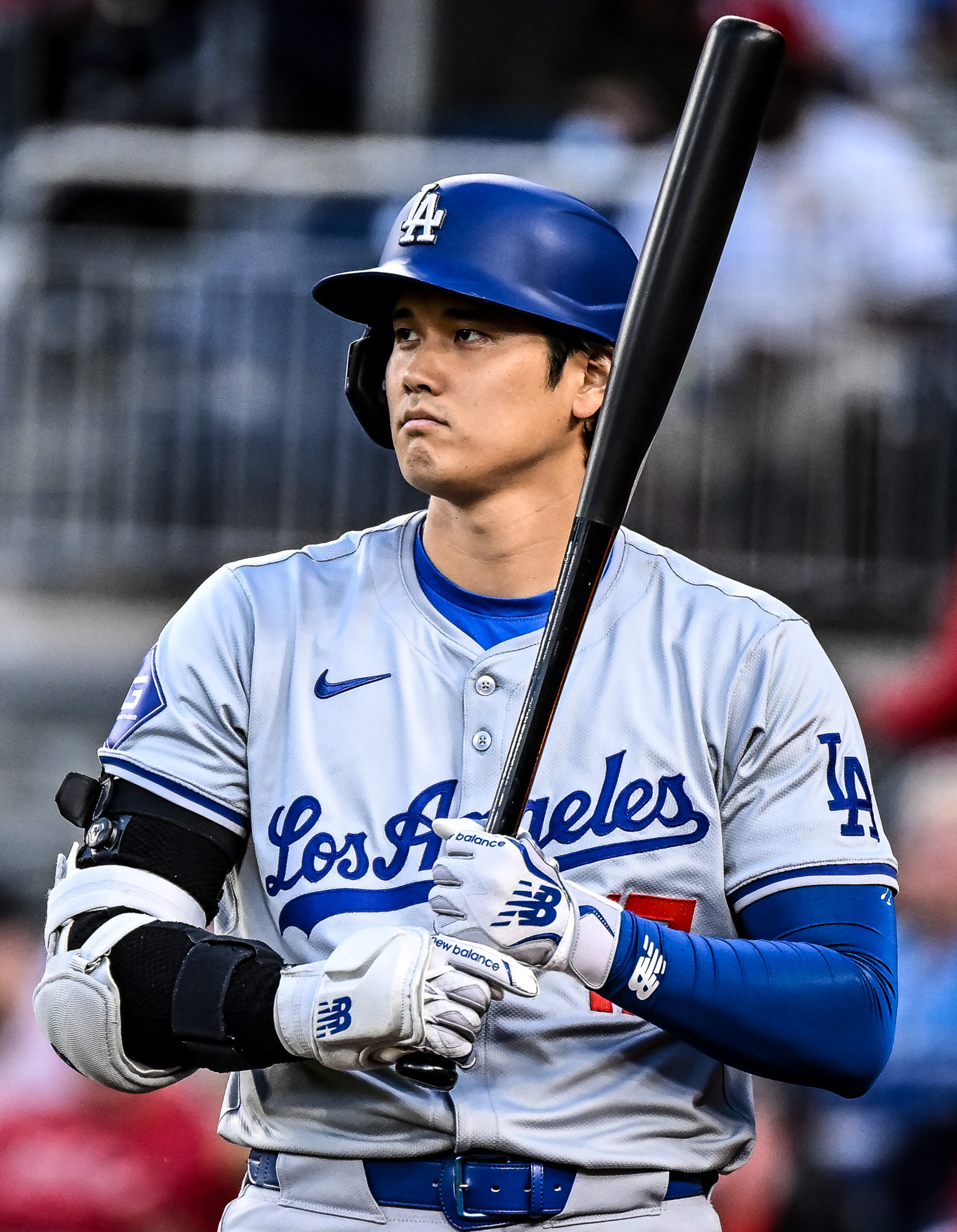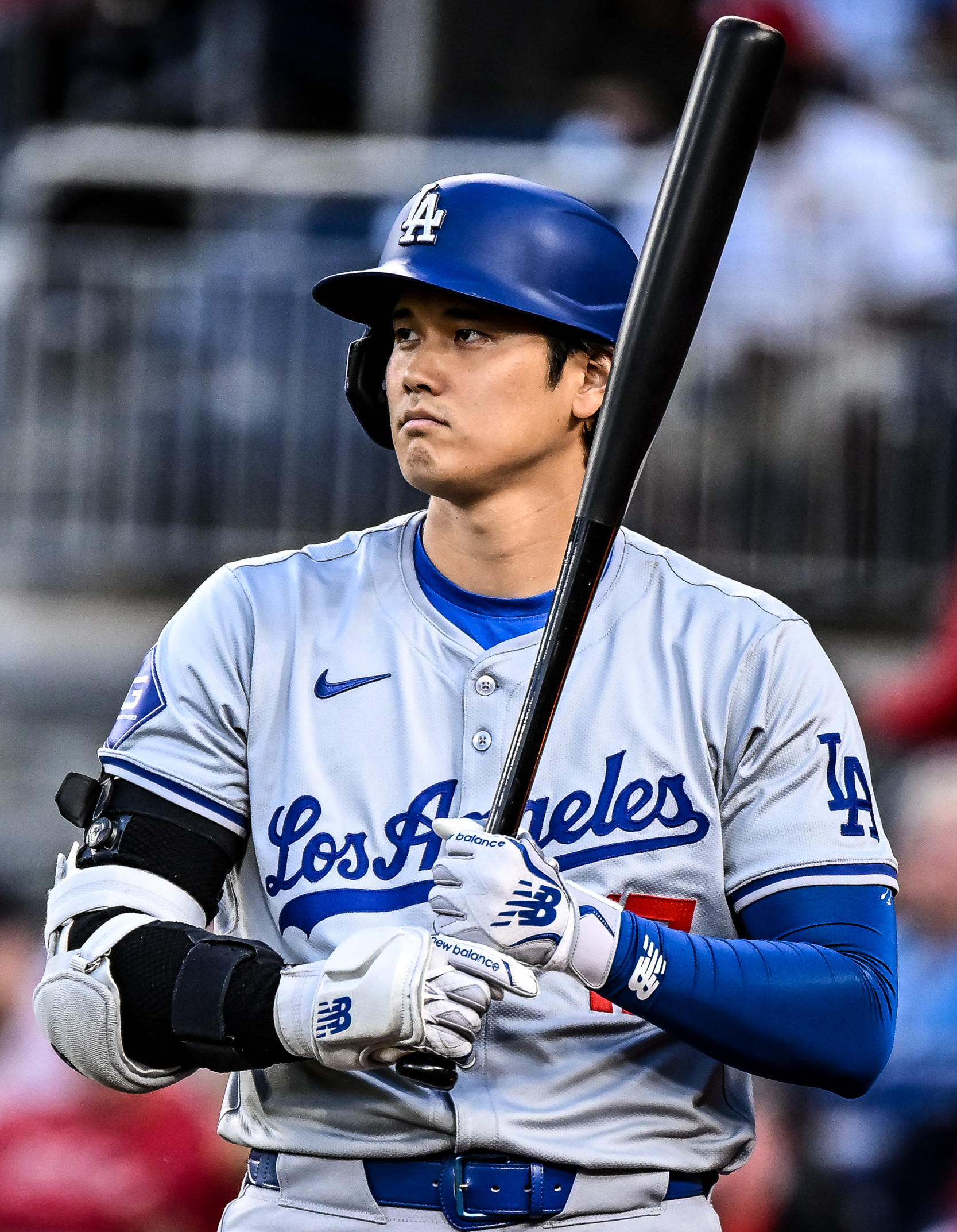
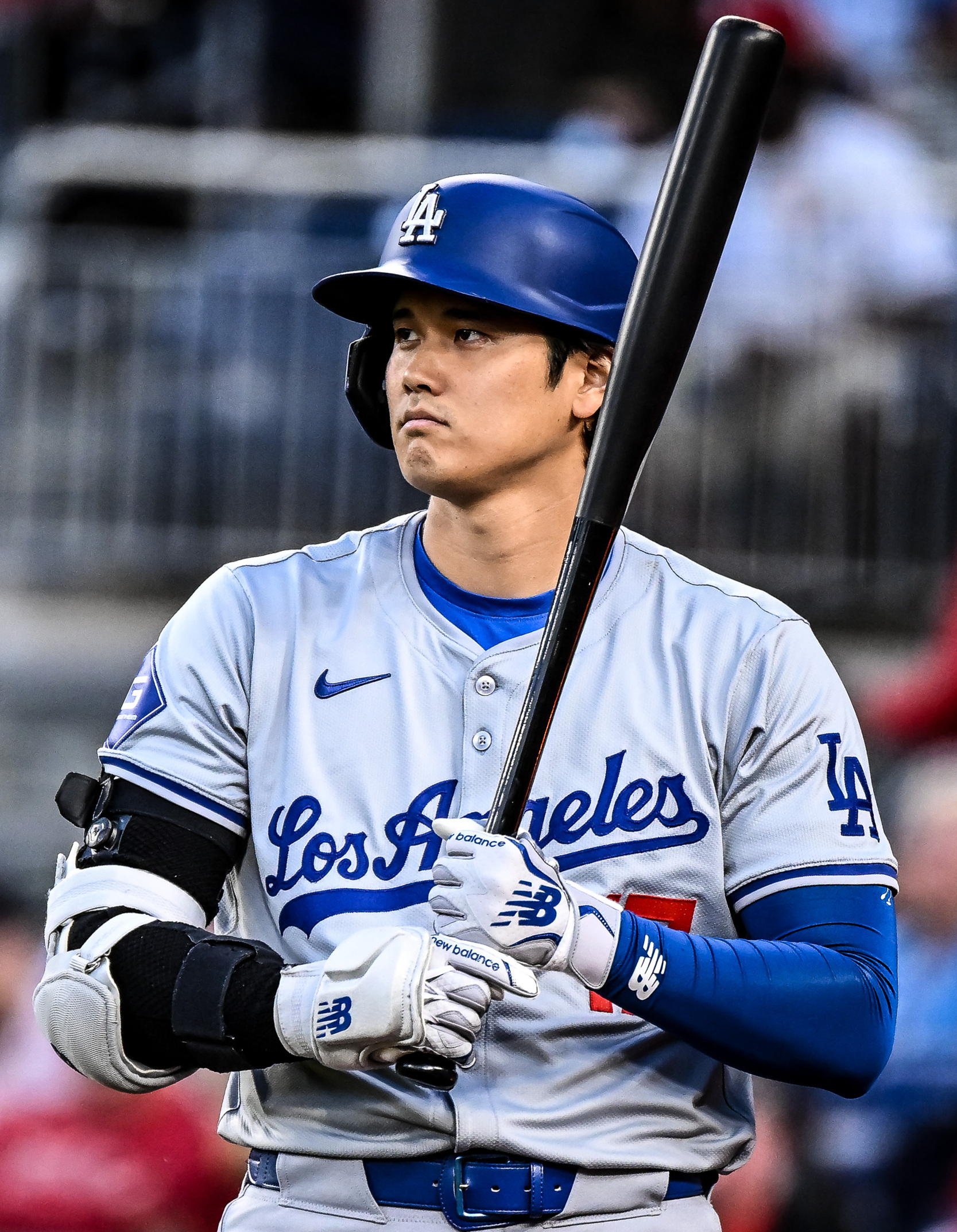
When the Los Angeles Dodgers committed 700 million dollars of deferred capital into Shohei Ohtani, they assumed they were buying a generational hybrid cyborg capable of bending physics on command. However, entering the NLDS, the supercomputer has reported a hardware error. Ohtani admitted to reporters that he will not be fully healthy for October, pointing to a cascade of knee, biceps, and neck ailments where he is still attempting to locate the root cause. For a team whose postseason identity involves finding innovative ways to malfunction under October pressure, this news is the equivalent of a blue screen of death during boot sequence.
The Biomechanical Breakdown of an Imperfect Cybernetic Slugger
From an applied physics perspective, a baseball swing is simply a closed kinetic chain designed to transfer ground reaction force upward through the pelvis, torso, and into the bat barrel. Fresh off the heels of the Jayden Daniels Elbow Drama Rocks Washington scare that rattled gridiron nerds, we now have baseball biomechanists frantically scrubbing slow-motion high-speed footage to spot hip-shoulder separation lag.
Ohtani dealing with knee, biceps, and neck issues simultaneously is an analytical nightmare. The lead knee stabilizes the front side during foot strike; if that knee fails to brace properly, rotational energy dissipates into thin air. Compensate with the upper half, and your neck and biceps take on excessive rotational torque. The result? A swing that still generates 110 mph exit velocity because he is an anomaly, but with micro-second swing path inefficiencies that elite October bullpens will ruthlessly exploit.
🐦 @SabermetricSam: "Dodgers spent nearly a billion dollars just to enter the postseason with Ohtani operating on 68 percent battery health and debug mode active."
💬 u/ChavezRavineOptics: "A 75% functional Shohei is still better than 95% of active designated hitters, but watching him grimace after a foul ball is shaving decades off my life expectancy."
Statcast Telemetry: Peak vs Compromised Spec Sheet
To quantify the potential drop-off, let us examine how physical impairments typically degrade high-tier designated hitter metrics when navigating high-leverage postseason pitching sequences:
| Metric Profile | Optimal Spec (100%) | Compromised Vector (Current) | Net Tactical Impact |
|---|---|---|---|
| Exit Velocity (Avg) | 95.8 mph | 91.2 mph | Fewer warning-track carries turning into home runs |
| Hard-Hit Percentage | 54.2% | 45.0% | Higher frequency of groundouts against arm-side run |
| Whiff Rate vs Sweepers | 24.1% | 31.5% | Vulnerability in down-and-away outer quadrant |
| Sprint Speed (ft/sec) | 28.2 | 26.5 | Subtle drag on extra bases and first-to-third reads |
October Projection Matrix and Degenerate Props
Manager Dave Roberts must now manage an offensive machine running with a persistent check-engine light. Pitchers will test Ohtani inside with elevated four-seamers to test neck mobility, followed by sweepers falling off the table to strain his lead knee. If Ohtani adapts his launch angle to prioritize contact over raw barrel compression, the Dodgers might maintain on-base efficiency at the cost of the thunderous playoff power surge fans anticipated.
For the analytical bettor, take the under on Ohtani total bases (+140) against high-spin sinker-ballers, but smash the over on intentional walks (+185) because opposing skippers still operate out of pure, primal fear. Cybernetic or human, Ohtani in the batter box remains baseball most dangerous variable.