
In an offense governed by pre-snap motion rates, zone-read readouts, and expected points added (EPA), the Philadelphia Eagles seem to have run an alarming audible in the medical ward. The NFL Players Association has officially petitioned for a full, unredacted investigation into the medical care provided to franchise quarterback Jalen Hurts after reports surfaced that the signal-caller was permitted under center during the team's London fixture despite battling an active blood clot. Fresh off our recent tactical analysis exploring international logistical stress in 'NFL Risks Paris Showdown Amid Civil Chaos', the league's ambitious European catalog has now produced an entirely distinct operational crisis.
The Diagnostic EPA Breakdown in London
While the front office prides itself on progressive operational modeling, deploying a 255-pound quarterback under heavy pass-rush duress with vascular complications defies basic risk mitigation algebra. The NFL medical hierarchy rushed to defend Philadelphia's staff, citing compliance with clearance benchmarks. However, the union's analytical counter suggests that sending an athlete into 60 minutes of high-velocity collisions while navigating anticoagulant or thrombosis variables represents a standard-of-care malfunction of the highest order.
🐦 @AnalyticalEaglesFan: "Our offensive EPA drops -0.24 without Jalen, but clearing a quarterback to take blindside hits with a vascular issue is statistically indefensible."
💬 u/CoverTwoEnjoyer: "Roger Goodell saying the league 'welcomes' the probe is textbook prevent defense. You drop seven into coverage and hope the narrative timer runs out."
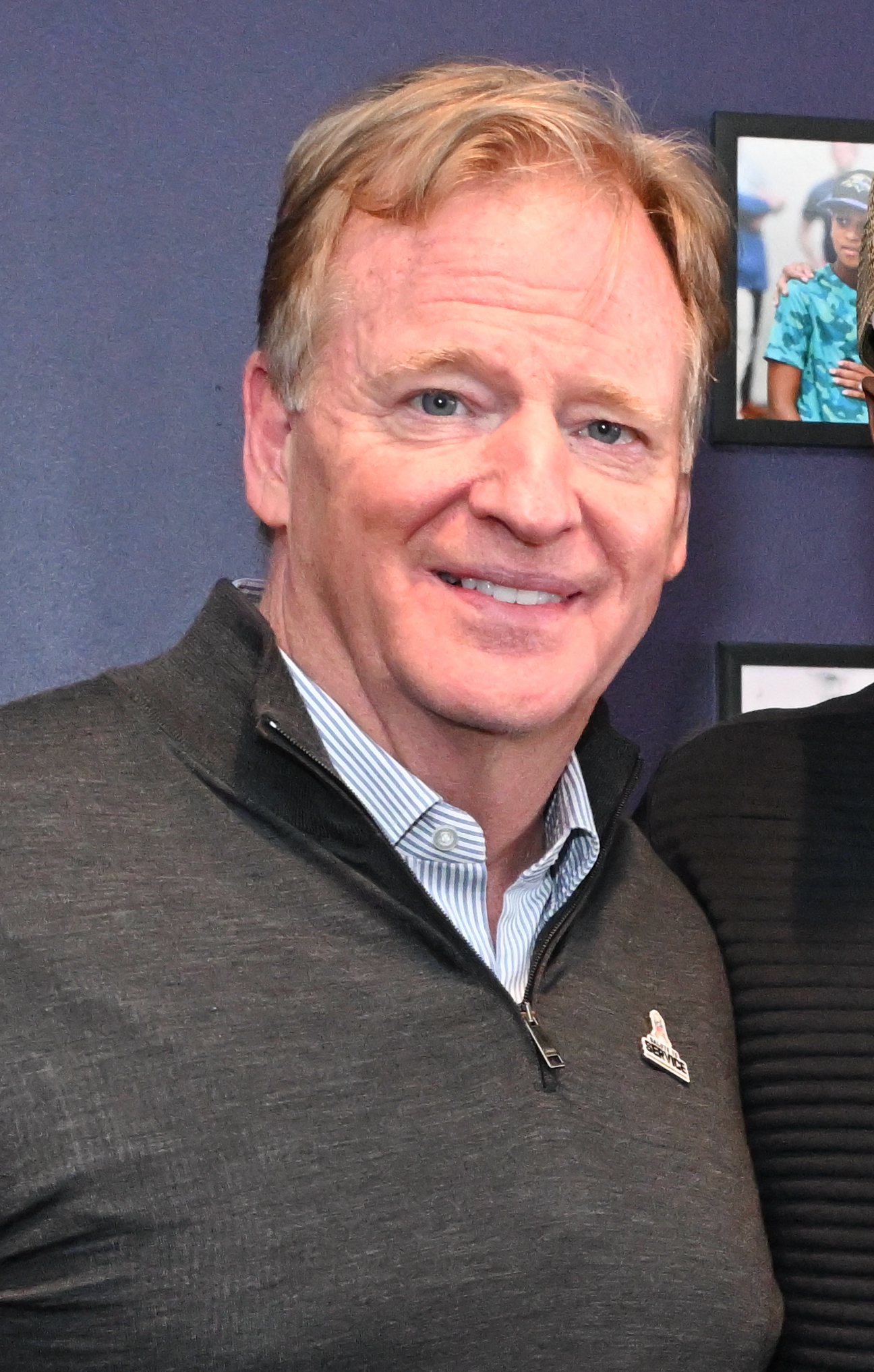
NFL Commissioner Roger Goodell reacted to the union's declaration by coolly remarking, "We welcome that," projecting total bureaucratic confidence. Yet behind closed doors, conflicting medical statements from independent consultants and league executives suggest a fracture in standard diagnostic methodology.
Empirical Variables: Medical Protocols Under Review
To quantify the institutional dispute currently dominating the league's front offices, consider how the operational parameters diverge:
| Evaluation Metric | League / Club Position | NFLPA Stated Concern |
|---|---|---|
| Clinical Clearance | Met existing contact thresholds | Overlooked catastrophic trauma risks |
| Player Autonomy | Hurts cleared and expressed desire to play | Lack of independent second-opinion safeguards |
| Travel Complications | Flight dynamics deemed acceptable | Transatlantic barometric pressure risks |
| Operational Transparency | Full compliance with joint protocols | Critical timeline gaps in injury disclosures |
Telemetry and Locker Room Friction
From an Xs and Os standpoint, Hurts' presence dictates Philadelphia's run-pass option efficiency. Without him in the shotgun, Nick Sirianni's run schemes lose approximately 1.4 yards before contact per rush attempt due to the absence of backside edge hesitation. But if that mechanical floor comes at the expense of hematological safety, the locker room trust coefficient rapidly dissolves. Players routinely absorb bone bruises and soft-tissue micro-tears, yet systemic internal conditions operate on a radically different threat matrix.
Spread Projections and Risk Probability
Expect Philadelphia's practice participation sheets to resemble redacted intelligence dossiers as league investigators gather timestamps, chart entries, and flight manifest data. Tactically, the Eagles may alter their dropback distribution toward quick-game three-step deliveries to limit pocket compression if Hurts faces recurring limitations.
For the speculative investor, wager heavily on team medical disclaimers expanding by 400% in next week's injury reports. Back the 'Over' on awkward Goodell press conference non-answers, and consider laying chalk on backup Kenny Pickett seeing increased practice repetitions while independent evaluators pore over medical records under intense union scrutiny.