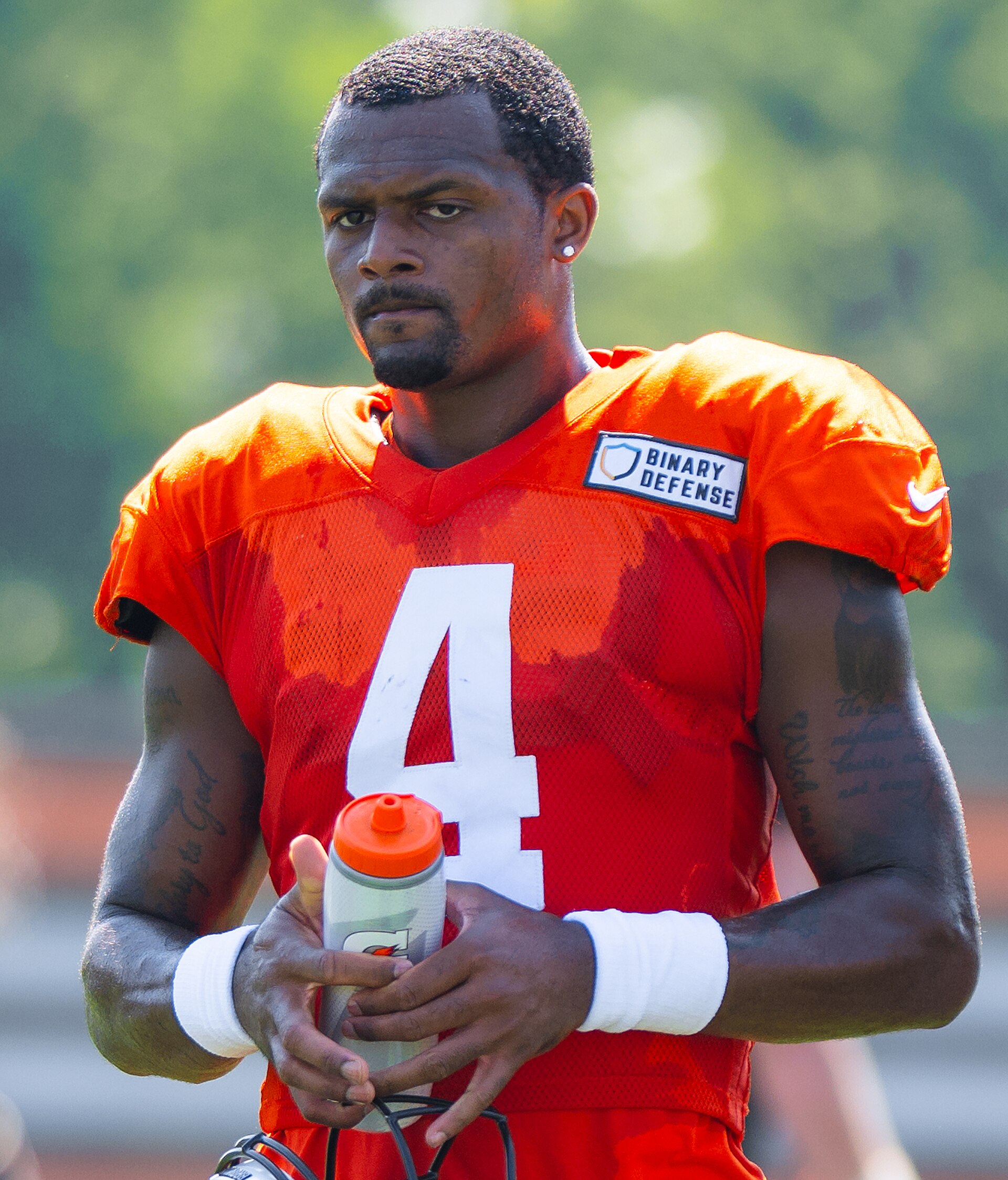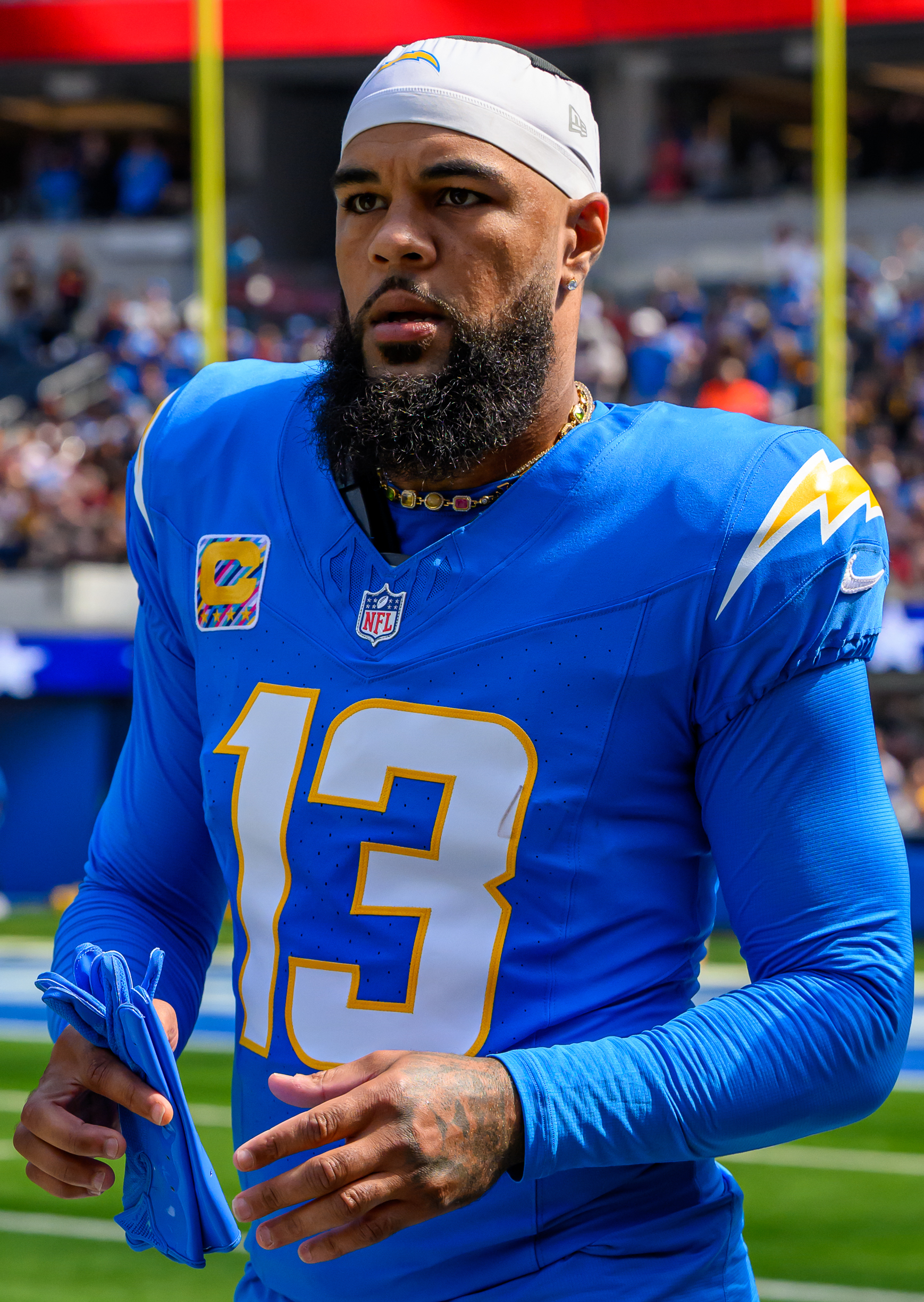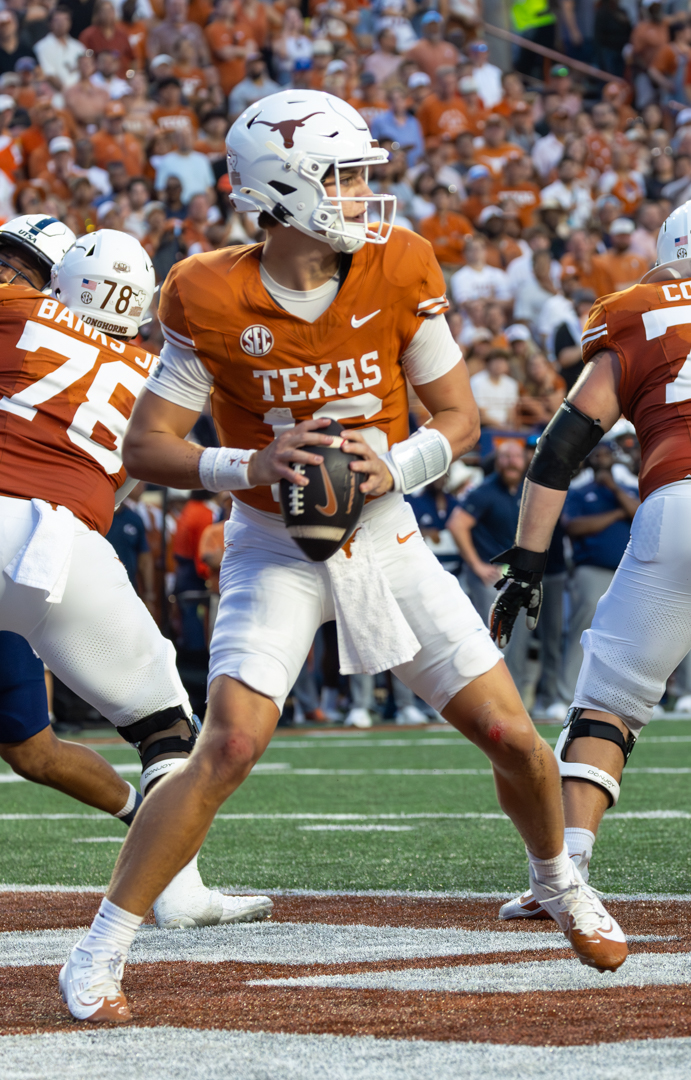

In what can only be described as the most mathematically broken roster exploitation since Bill Belichick figured out eligible receiver reporting rules, college football has officially descended into complete administrative anarchy. A coalition of active NFL players, including Tampa Bay Buccaneers rookie defender Jack Pyburn and Cleveland Browns tight end Dae'Quan Wright, have secured a restraining order against the NCAA and promptly inserted their names directly back into the transfer portal.
The Re-Amateurization Scheme Explained
If you run a basic regression model on amateur sports governance over the last half-decade, the trendline for NCAA authority points cleanly toward zero. Following recent judicial interventions granting temporary restraining orders over eligibility restrictions, sixteen players with professional ties realized that the legal definition of an 'amateur athlete' currently has more holes than a Cover 0 blitz against Patrick Mahomes.
Jack Pyburn, an LSU standout who transitioned to Tampa Bay, alongside Wright, are leveraging these injunctions to explore returning to campus Saturdays. Why take practice squad snaps or deal with grueling NFL special teams duties for base scale when collective NIL war chests can offer comparable equity valuation, lesser hit volume, and college deity status?
🐦 @GridironQuant: "NCAA rulebook is currently operating at a -0.84 Expected EPA per legal filing. Just absolute defensive collapse in the courtroom."
💬 u/SpreadsheetSniper: "Imagine being an 18-year-old freshman edge rusher and you line up across from a guy who literally spent last week receiving an NFL paycheck."
Systemic Exploitation: The Transfer Matrix
To quantify the absolute absurdity of this operational loophole, we have modeled the fundamental trade-offs facing professional rookies considering a return to Saturday football:
| Metric Parameter | NFL Fringe Roster | NCAA Power Four Return |
|---|---|---|
| Average Weekly Snaps | 4-12 (Special Teams) | 45-65 (Every-down Starter) |
| Leverage Over Staff | Near Zero | Maximum NIL Injunction |
| Scheme Familiarity | Complex Playbook Grinds | Dominating Base Coverages |
| Litigation Win Rate | Collective Bargaining Fixed | 100% vs. NCAA Enforcers |
Tactical Implications for Saturday Playbooks
From an analytical standpoint, introducing grown professionals back into the collegiate system alters every baseline metric imaginable. Defensive coordinators playing quarters coverage will suddenly have to account for tight ends with legitimate NFL camp route trees and edge defenders carrying professional strength-and-conditioning mass.
Just days after we saw the Cowboys and Saints get fined $500K over practice brawls, the NCAA finds itself in an even more violent physical dispute: federal anti-trust jurisprudence. If an NFL practice squad tackle can suddenly sub in for a third-and-goal goal-line package in the SEC, the concept of developmental depth charts is rendered completely obsolete.
Analytical Forecast and Market Projections
Looking ahead into the upcoming cycle, expecting the NCAA to mount a coherent legal defense is like betting on a prevent defense to stop a two-minute drill - it mathematically invites disaster. Expect high-tier collegiate booster collectives to aggressively scout NFL cuts and waiver wires as an auxiliary talent acquisition pipeline.
For the degenerate algorithmic speculators: smash the over on collegiate transfer portal filings (+450), place a unit on high-profile rookie buyouts returning to college by autumn (-110), and take heavy under positions on the NCAA's legal survival rate across all jurisdictions.