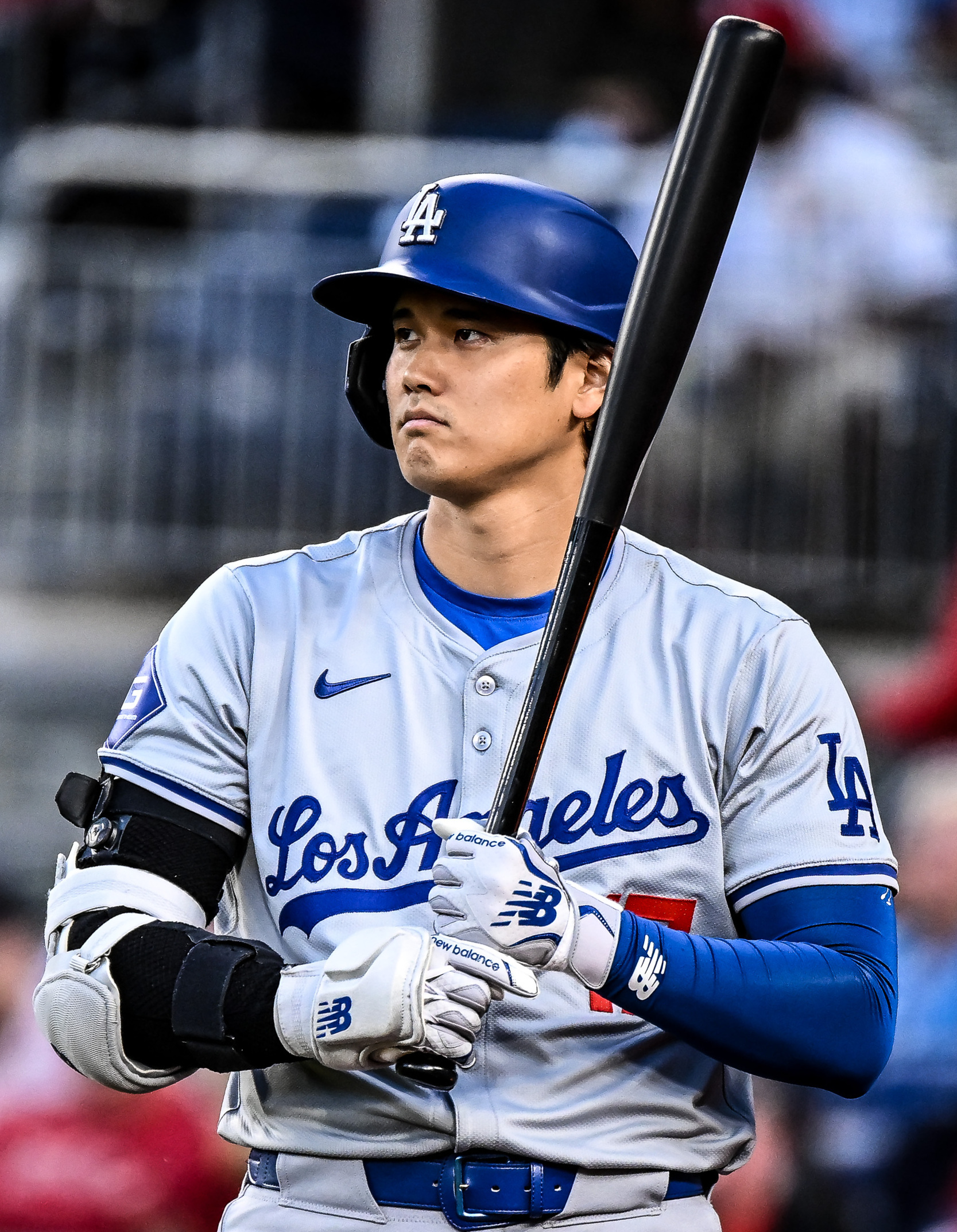

In a development that has sent ripples through the meticulously structured financial ecosystem of Major League Baseball, the league's elite operatives, commonly known as "All-Stars," have collectively initiated a tactical maneuver against the proposed salary cap. This isn't merely a grievance; it's a full-blown strategic opposition to what players perceive as a direct assault on player valuation and market dynamics. The collective bargaining landscape, already a minefield of intricate clauses and historical precedents, just got significantly more… interesting.
Juan Soto, the master of plate discipline and purveyor of high-leverage offensive output, didn't mince words, declaring the salary cap proposal "sucks." A rather succinct, yet impactful, tactical assessment. Fresh off the heels of Harper's Unintended Homer: FanDuel's PR Foul, where the slugger inadvertently caused a betting frenzy, Bryce Harper is once again in the limelight, articulating the players' unified stance with the gravitas of a seasoned field general. The message from the player cohort, amplified by pitching phenom Paul Skenes and the perennial offensive juggernaut Mike Trout, is clear: the current framework, while imperfect, is preferable to a system that artificially constrains player compensation. The locker room chatter, usually reserved for scouting reports and post-game analyses, has undoubtedly shifted to intricate discussions of revenue sharing and economic models.
The Collective Bargaining Conundrum: A High-Stakes Double Play
The MLB Players Association has historically maintained an almost impenetrable defensive scheme against any form of hard salary cap, viewing it as an anathema to the free market principles that theoretically govern player movement and contract negotiations. This isn't just about preserving individual earning potential; it's a calculated strategy to maintain leverage in a league where ownership groups often exhibit the financial fluidity of a major currency exchange. The players' argument posits that a cap would not only depress salaries but fundamentally alter the competitive balance by disincentivizing aggressive resource allocation for top-tier talent. The public, ever the armchair strategists, remains divided, with social media acting as the digital dugout for heated takes.
🐦 @StatGeekMLB: "A salary cap fundamentally alters the player valuation paradigm. It's not just about money, it's about market efficiency and talent acquisition strategy. Owners want a low block, players want a free-flowing transition game."
💬 u/DiamondDynastyPro: "Soto saying 'sucks' is the most tactical analysis I've heard all week. You can't argue with that level of directness."
Positional Play and Fiscal Formation: Where the Billions Lie
From a purely tactical perspective, a hard salary cap would necessitate a complete overhaul of front office roster construction methodologies. The current system, for all its perceived flaws, allows for high-spend cycles and strategic plunges into the free-agent market for 'win-now' scenarios. A cap, however, would force teams into a more rigid, long-term resource allocation model, emphasizing internal development and shrewd, cost-controlled acquisitions. This isn't about mere financial restraint; it's about recalibrating the entire economic positioning of a franchise. The impact on player agents, who operate as the tactical negotiators for individual talent, would be profound, demanding innovative contract structures within a newly constrained environment.
Hot Takes from the Data Bunker:
- Hot Take 1: The "Soft Cap" Illusion is a Hard Bargain. Owners will push for a luxury tax that acts like a de facto cap, ostensibly for 'competitive balance', but tactically, it's a revenue suppression mechanism.
- Hot Take 2: Player Valuation Metrics Will Undergo a Paradigm Shift. With a cap, front offices must re-evaluate player utility and contract efficiency with unprecedented rigor, moving beyond raw WAR to more granular ROI per dollar.
- Hot Take 3: The Strategic Imperative: Youth Development over Free Agency Spree. Teams might pivot their entire organizational philosophy, prioritizing extensive farm system investment and early extensions for homegrown talent, rather than competing in a restricted free agent market.
Future Forecast: The Endgame Strategy
Despite the current posturing and the somewhat dramatic pronouncements, both sides maintain that there's still ample time to reach a deal. This is typical pre-bargaining rhetoric, a strategic feint to establish initial positions. The tactical objective for the players remains clear: maintain the current economic framework, perhaps with minor adjustments, but fundamentally reject a hard cap. For the owners, the goal is to introduce some form of cost control, framing it as necessary for long-term league health and competitive parity. Expect a protracted negotiation process, a veritable chess match of economic proposals and counter-proposals, likely extending deep into the offseason.
Betting Recommendations: Place your wagers on the over/under for the number of times the term "competitive balance" is uttered by ownership spokespeople in the next three months – the over is a safe bet. For a long shot, consider a prop bet on a collective bargaining agreement being settled without a single player or owner mentioning their "passion for the game" while simultaneously negotiating for billions. That's a true long-odds payout. As for the actual implementation of a hard cap? The tactical defense put up by the players suggests the odds are heavily against it, at least in its most draconian form.