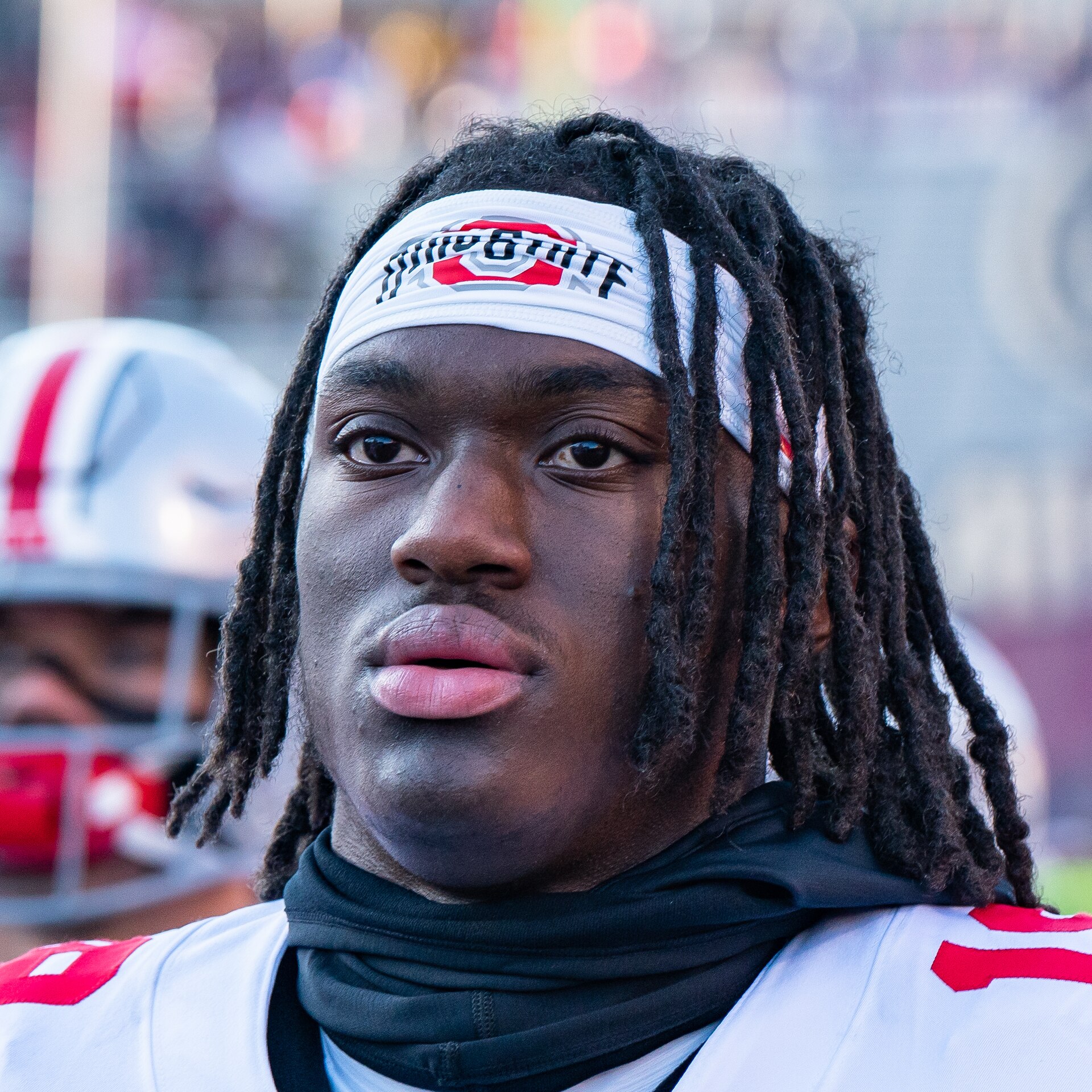
When an offensive coordinator possesses an elite, generational route-running asset calibrated to dominate modern split-safety coverages, the standard analytical prescription is fairly elementary: you isolate him on boundary fades, draw up double-move switch releases, and scheme him open on high-percentage mesh concepts. Instead, the Arizona Cardinals offensive infrastructure under Mike LaFleur appears to be running a bespoke simulation where their primary weapon operates primarily as an oversized, multimillion-dollar decoy.
The Route-Tree Disconnect in Glendale
Fresh off the heels of the chaos where Sean Payton Sparks Pettiest NFL Cold War, the desert has brewed an ideological dispute of its own. Film guru Daniel Jeremiah publicly sounded the alarm, noting that Marvin Harrison Jr. looks completely unrecognizable within the current offensive construct. A player once revered for surgical footwork and instant separation at the stem is suddenly struggling to produce baseline expected production metrics.
The underlying problem escalated from a schematic quibble to an all-out philosophical rift when LaFleur made it crystal clear that he has zero interest in manufacturing touches for Harrison. If the progression does not organically dictate an explosive play over the middle, the ball simply drifts elsewhere. When an offensive coordinator refuses to feed his blue-chip target via quick screens, orbit motions, or RPO shallow crosses, the tape turns bleak very fast.
🐦 @GridironQuant: 'Marvin Harrison Jr. posting a 14 percent target share while running wind sprints into double bracket coverage is peak offensive malpractice.'
💬 u/DesertRedbird: 'Drafting a Hall of Fame pedigree wideout just to use him like an undrafted gunner on field-clearing vertical stems is making my brain melt.'
Quantifying The Analytical Meltdown
Former Pro Bowl receivers have weighed in, openly suggesting that LaFleur fundamentally fails to value the structural gravity Harrison provides on the perimeter. When defensive coordinators can safely roll single-high coverage away from the boundary without paying a systemic penalty, your entire offensive EPA per play craters into the dirt.
| Metric Category | College Film Baseline | Current Cardinals Deployment |
|---|---|---|
| Target Share per Dropback | 31.4% | 15.2% |
| Average Depth of Target (aDOT) | 12.8 Yards | 17.6 Yards (Pure Go-Routes) |
| Motion / Manufactured Touches | Frequent Stack Alignments | Virtually Non-Existent |
| League Trade Speculation Index | Zero (Untouchable) | Simmering Front Office Panic |
With front office executives across the league monitoring the stagnation, whispers of a stunning trade market have begun echoing through scouting circles. Rival general managers are actively running cap-casualty simulations to see what it would cost to liberate the wideout from Arizona before his rookie-scale contract value degrades into schematic purgatory.
Future Forecast & Prop Market Probabilities
If Arizona refuses to recalibrate their route distribution, the Cardinals will remain an offense operating in standard-deviation purgatory. Sharp bettors looking at game-to-game props should strongly consider hitting the under on Harrison receptions until LaFleur is spotted running anything resembling an engineered touch. In alternative proposition markets, laying reasonable juice on rival front offices calling Glendale with aggressive trade packages offers far more upside than trusting Arizona to target their top receiver in the red zone.