
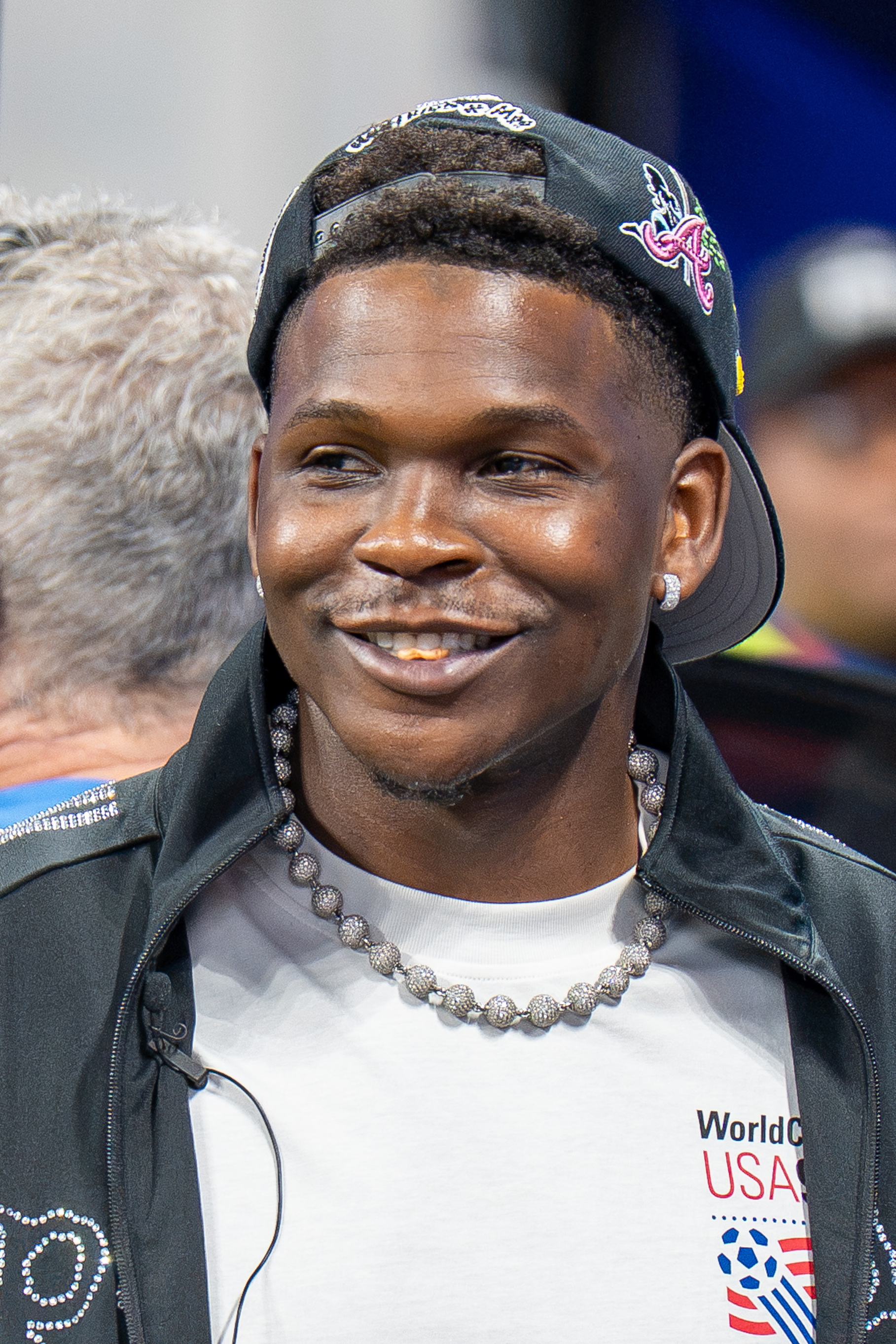
Just when you thought the front-office cap sheet optimization model in Minneapolis was stabilizing into a neat linear regression curve, billionaire financier Marc Stad executed a high-leverage hostile transaction. Marc Lore has officially agreed to sell his controlling interest in the Minnesota Timberwolves and Minnesota Lynx to Stad at an eye-watering $4.5 billion valuation. In terms of valuation per win share, this transaction completely shatters previous league baselines.
Balance Sheets, Second Aprons, and Cap Space Calculus
For analytics purists tracking modern NBA cap efficiency, this ownership pivot feels like replacing an unpredictable transition pull-up with a calculated post-up mismatch. Fresh off watching the front-office carousel around the league-reminiscent of the boardroom drama where a Lakers Owner Holds 4% Stake Amid Chaos-the Twin Cities are now navigating high-finance roster construction. The Timberwolves, carrying heavy luxury tax penalties due to supermax allocations for Anthony Edwards and their frontcourt anchors, suddenly find themselves backed by Stad's deep private equity coffers.
The spreadsheet warriors across NBA social channels wasted zero time crunching the defensive rating impact of this boardroom reshuffle:
🐦 @CapSheetGuru: "A $4.5 billion valuation for a franchise operating inside the second luxury tax apron? The financial ROI here is wilder than an off-balance Edwards stepback."
💬 u/PickAndRollProphet: "If Marc Stad can optimize our luxury tax repeater penalties the way he manages asset portfolios, Minnesota is locking in top-three seed efficiency for five straight years."
Valuation Metrics: Breaking Down The $4.5B Spreadsheet
To contextualize where this astronomical figure sits relative to franchise asset value metrics and roster sustainability, let us look at the analytical breakdown:
| Franchise Metric | Lore-Rodriguez Era Value | Marc Stad Valuation | Efficiency Delta |
|---|---|---|---|
| Estimated Valuation | $1.50 Billion | $4.50 Billion | +200.0% |
| Roster Luxury Tax Status | Tax Apron Threat | Deep Second Apron | High Payroll Penalty |
| Lynx Playoff Net Rating | Elite Baseline | Championship Contender | Positive Trend |
| Target Window | Rebuild/Re-tool | Championship Contention | Immediate Maximization |
Tactical Roster Implications and Analytical Forecast
From a purely tactical perspective, an ownership transition with this much capital solvency directly insulates the basketball operations staff. Minnesota's high-frequency drop-coverage schemes and high-usage isolation sets run by Anthony Edwards require surrounding high-cost 3-and-D wing depth. Under restrictive second-apron CBA rules, mid-level exceptions are virtually nonexistent, meaning ownership must be willing to pay exponential luxury taxes to retain complementary defensive pieces.
Stad's takeover signals that Minnesota will not be forced into salary-dump trades or suboptimal pick-swap packages purely to avoid luxury tax brackets. For the WNBA's Lynx, currently operating near peak tactical efficiency in half-court execution, the influx of top-tier capital solidifies their sustained postseason contending model without budgetary friction.
As for speculative betting lines, the analytical recommendation is to hammer the Over on Minnesota Luxury Tax Expenditures while taking the Timberwolves to win 50+ Regular Season Games as long as primary rotation net ratings remain in the green. Stad didn't commit $4.5 billion to settle for play-in tournament variance.