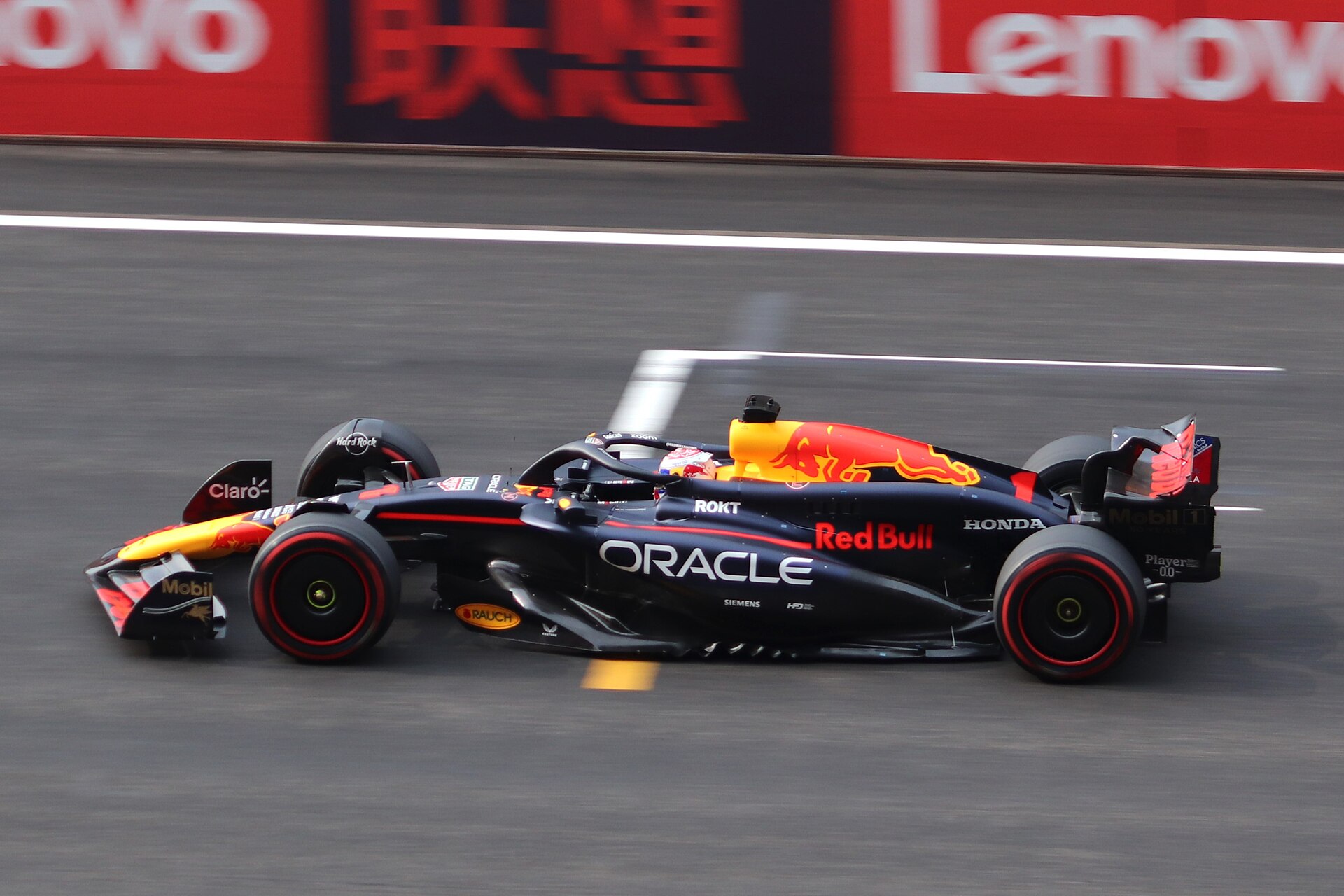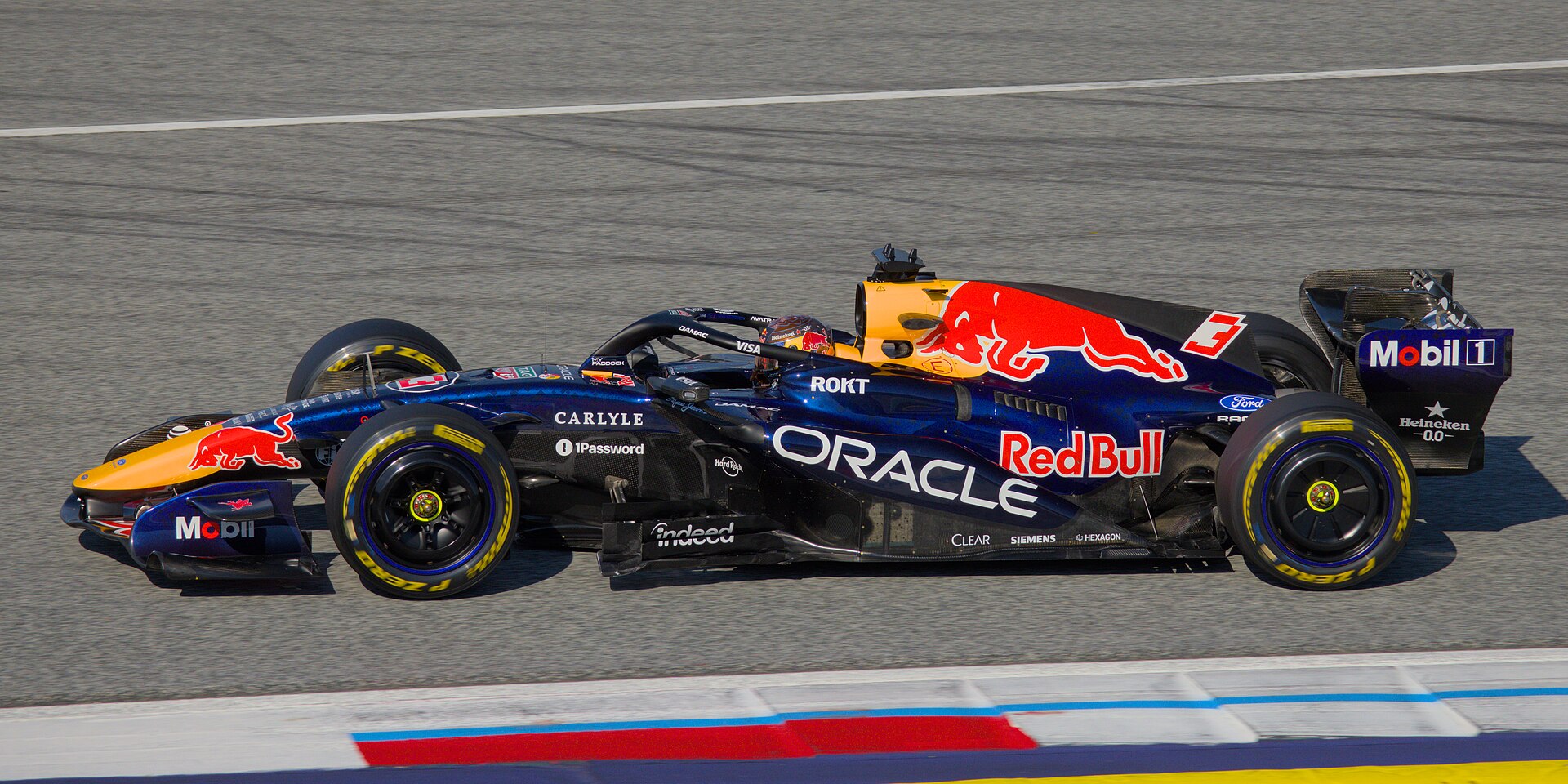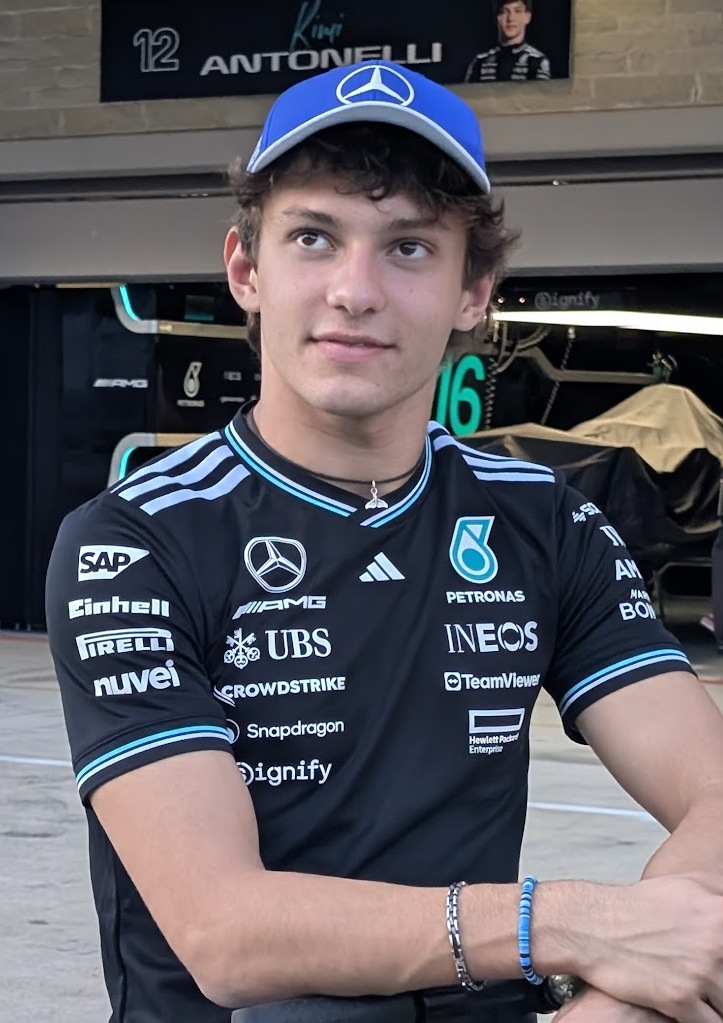
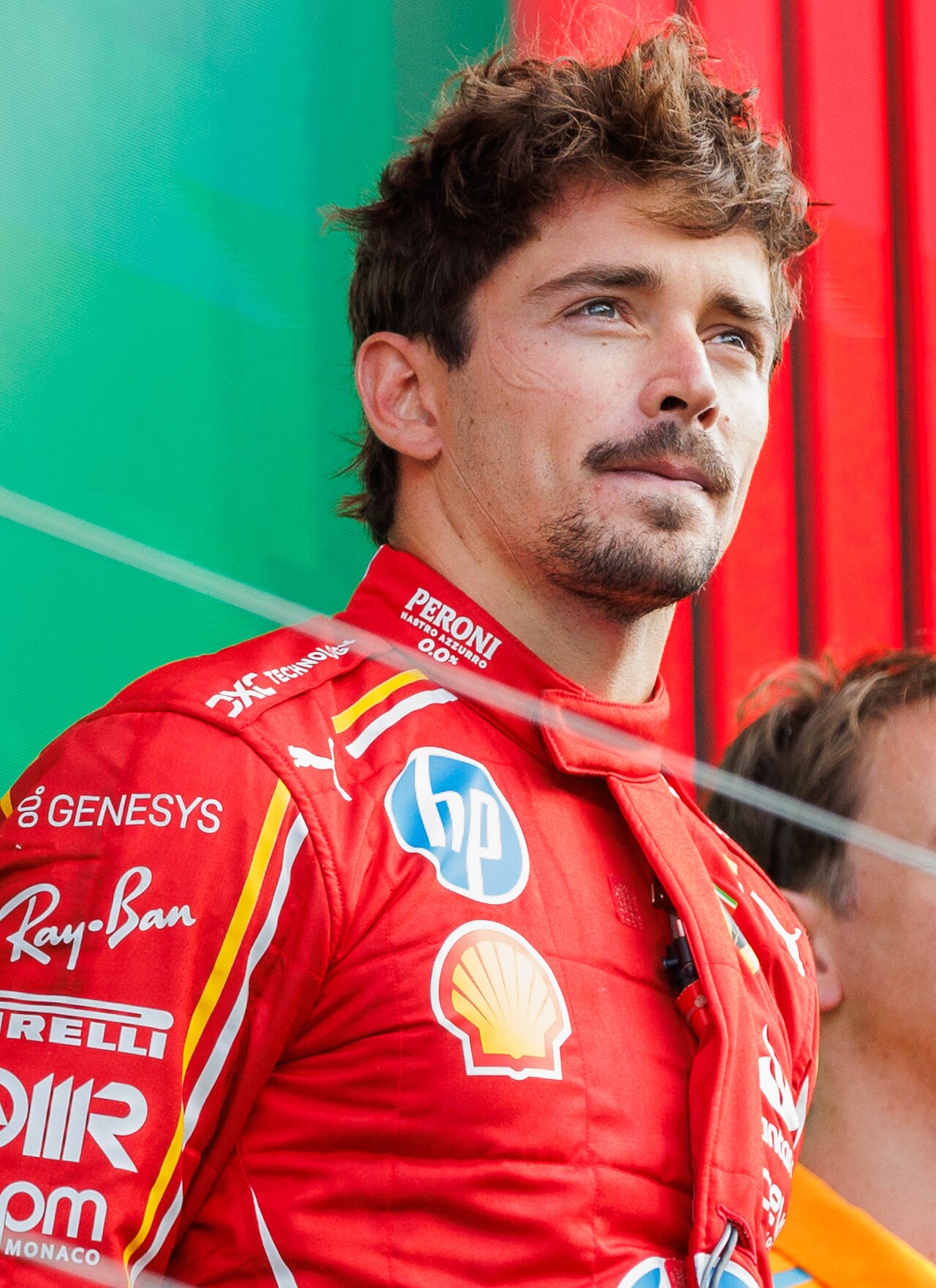
Well, if you thought the British Grand Prix was going to be a predictable procession of aero-efficiency and tyre degradation management, you clearly haven't been paying attention to the intricate ballet of chaos that is modern Formula 1. Silverstone delivered a strategic curveball so sharp, it probably induced whiplash in several pit wall strategists. Charles Leclerc, in a move that can only be described as a masterclass in opportunistic differential strategy, snatched victory from the jaws of what looked like a routine Sunday for the usual suspects. Meanwhile, the championship leader, Max Verstappen, and Mercedes' much-hyped prodigy, Kimi Antonelli, decided to collectively demonstrate the inverse correlation between pre-race hype and actual points acquisition. It was less a race, more a meticulously choreographed tactical implosion for some, and a triumph of adaptability for others.
Monégasque Masterclass or Red Bull's Red Herring?
The paddock is abuzz, not just with the usual hum of cooling engines, but with the cacophony of 'what if' scenarios and armchair strategy critiques. Leclerc's win wasn't just a victory; it was a statement, a calculated risk that paid off with the kind of dividends usually reserved for high-frequency trading algorithms. While Verstappen was busy demonstrating that even the most dominant performance delta can be undone by an unexpected energy recovery system hiccup (or perhaps a poorly timed coffee break in the strategy room), Leclerc was carving out a path to glory. It's a bit like watching 'Brazil's Haaland Headache? Ancelotti Shrugs!' unfold, but with more G-forces and considerably higher fuel bills.
Antonelli, on the other hand, had a debut reminiscent of a software update that introduces more bugs than it fixes. The pressure on the young Italian, thrust into the spotlight, was palpable, and his performance data points suggest a steep learning curve. The social media sphere, ever the bastion of nuanced commentary, did not hold back:
🐦 @F1DataGeek: "Verstappen's P1 to DNS (Did Not Score) conversion rate at Silverstone: 100%. Peak tactical 'innovation' from Milton Keynes. #F1 #BritishGP"
💬 u/MercedesHopeful: "Antonelli's race was like my first attempt at a complex spreadsheet: full of errors and ultimately pointless. Still, he'll learn, right? Right?!"
The prevailing whisper is that Red Bull's strategic framework, usually a fortress of optimal decision-making, had a momentary lapse in its predictive modelling, while Mercedes might have over-optimized Antonelli's initial stint, leading to a cascade of sub-optimal tyre performance.
The Pit Wall's Puzzling Playbook
Let's dissect this with the precision of a differential diagnosis. Leclerc's team executed a flawless, almost prescient, undercut. When the Safety Car emerged, they reacted with the alacrity of a cheetah spotting a gazelle. Russell and Hamilton, while unable to challenge Leclerc, demonstrated consistent, if not spectacular, pace, managing their tyre degradation with the stoicism of seasoned professionals. But the real story is in the zeroes.
| Driver | Starting Pos | Finishing Pos | Points | Strategic 'Genius' |
|---|---|---|---|---|
| Leclerc | P2 | P1 | 25 | High (Opportunistic) |
| Russell | P4 | P2 | 18 | Medium (Consistent) |
| Hamilton | P3 | P3 | 15 | Medium (Solid) |
| Verstappen | P1 | DNF | 0 | Low (Catastrophic) |
| Antonelli | P14 | P17 | 0 | Low (Learning Curve) |
Verstappen's DNF due to a suspected power unit anomaly (or perhaps a rogue pigeon in the airbox, who knows?) sent shockwaves through the championship. For Antonelli, P17 is hardly the 'impactful debut' Mercedes' PR team was probably drafting. The data suggests a struggle with front-end grip and a general lack of confidence in the high-speed corners, leading to a performance delta that was several tenths off what was expected.
Championship Chess: The Aftermath & Ante-Up
So, what does this seismic shift at Silverstone mean for the championship algorithm? Leclerc has demonstrably injected a jolt of volatility into the standings, proving that even a tightly controlled data ecosystem can be disrupted. Verstappen will undoubtedly return with the fury of a thousand scorned data analysts, but this DNF opens up a fascinating tactical subplot. Teams will now be scrutinizing their reliability protocols with renewed vigor, and perhaps even considering a more conservative approach to engine mapping.
For betting enthusiasts, the immediate future offers some intriguing propositions. While betting on Verstappen to win the next race might seem like a 'safe' option, the real value might lie in exotic prop bets: the over/under on the number of 'power unit related' press releases from Red Bull in the next 72 hours, or perhaps the odds of Antonelli completing a full race distance without a single lock-up. My money's on Leclerc's momentum continuing, and perhaps a cheeky wager on a 'dark horse' podium finish for a midfield team, capitalizing on the inevitable tactical overthinking that will now plague the top teams. The strategic landscape just got a whole lot spicier, and my spreadsheets are ready.