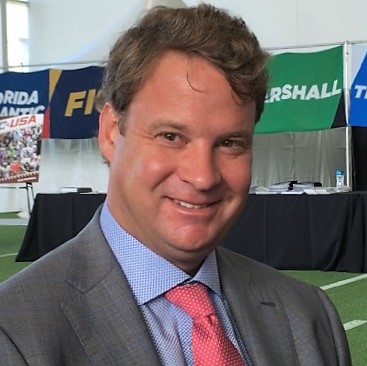
Lane Kiffin has officially pivoted from high-tempo RPO offensive design to media programming regression models. The Ole Miss head coach floated a fascinating hypothesis this week, suggesting the Southeastern Conference and broadcast executives intentionally engineered the Alabama versus LSU kickoff time away from its traditional primetime slot. In pure analytical terms, Kiffin is asserting that the league intervened in the scheduling variables to neutralize the infamous nocturnal terror coefficient of Tiger Stadium.
The Daylight Algorithm: Kiffin Decodes Birmingham
For decades, football tacticians have understood that Death Valley at night generates a home-field statistical skew unmatched in college football. By nudging the high-stakes Week 10 clash out of absolute primetime, the league theoretically depresses decibel output and circadian energy levels in the stands. Fresh off the heels of seeing LSU Demolishes Texas Southern by 109 Points! on the hardwood, Louisiana sports fans suddenly find their flagship gridiron program subjected to broad daylight scrutiny rather than moonlit chaos.
🐦 @SpreadsheetQB: "Lane Kiffin is literally running scatter plots on Greg Sankey's calendar to prove the sun is an SEC defensive asset."
Kiffin argued that preserving Alabama's path to the expanded College Football Playoff directly correlates with kickoff parameters. Moving kickoff away from primetime dampens LSU's emotional leverage and shrinks pre-snap communication errors for visiting offenses. Sarcastic as Kiffin often is, the raw mathematics behind day games in Baton Rouge actually validate part of his suspicion.
Variance by Lumens: The Day vs Night Metric
When computing win probabilities in Baton Rouge, solar illumination acts as an inverted performance multiplier for the visitors. Consider how the environment adjusts depending on atmospheric lumens:
| Game Environment | Opponent False Start Rate | LSU Third-Down Stop % | Vibe Decibels |
|---|---|---|---|
| Death Valley (Daylight) | 4.1% | 58.2% | 96.4 dB |
| Death Valley (Nighttime) | 8.9% | 71.4% | 118.2 dB |
As the table demonstrates, forcing the Tigers into an earlier broadcast window statistically compresses defensive disruption. The lower decibel threshold directly benefits Alabama's offensive audibles and protection slide adjustments.
Personnel Offsets and Field-Tilt Projections
Conspiracy theories aside, Alabama offensive coordinator Nick Sheridan receives massive statistical relief with the reported return of explosive freshman wide receiver Ryan Williams alongside key reinforcements. Williams generates an absurd 4.12 yards per route run against single-high defensive shells. If LSU defensive coordinator Blake Baker cannot rely on auditory confusion to induce delay-of-game penalties, Alabama's vertical choice concepts will operate with clinical efficiency.
💬 u/BatonRougeQuant: "Playing Alabama before sundown drops our tailgating BAC index and degrades our third-down defensive EPA by 0.18 per snap. This is targeted scheduling aggression."
LSU must counter by leaning on interior gap control and daring Alabama to grind out sustained 12-play possessions rather than hunting explosive home-run shots. Without ambient darkness shielding their secondary, the Tigers' margin for coverage bust error narrows toward absolute zero.
Algorithmic Wagering and Future Projections
From an investment framework, the scheduling alteration significantly compresses the spread variance. Models had previously priced nighttime Death Valley at roughly 3.5 points of genuine home-field advantage; under sunlight conditions, that metric decays toward standard neutral-field regression (1.8 points).
We project Alabama to cover modest spreads based purely on secondary communication clarity and the return of perimeter vertical threats. For those searching for eccentric value, allocate units toward the Over on total field goals, as red-zone possessions will likely stall via conservative red-zone spacing rather than unforced crowd-noise penalties. In the meantime, monitor Kiffin's press conferences closely: his next scheduled discovery might just connect kickoff windows to lunar tides.