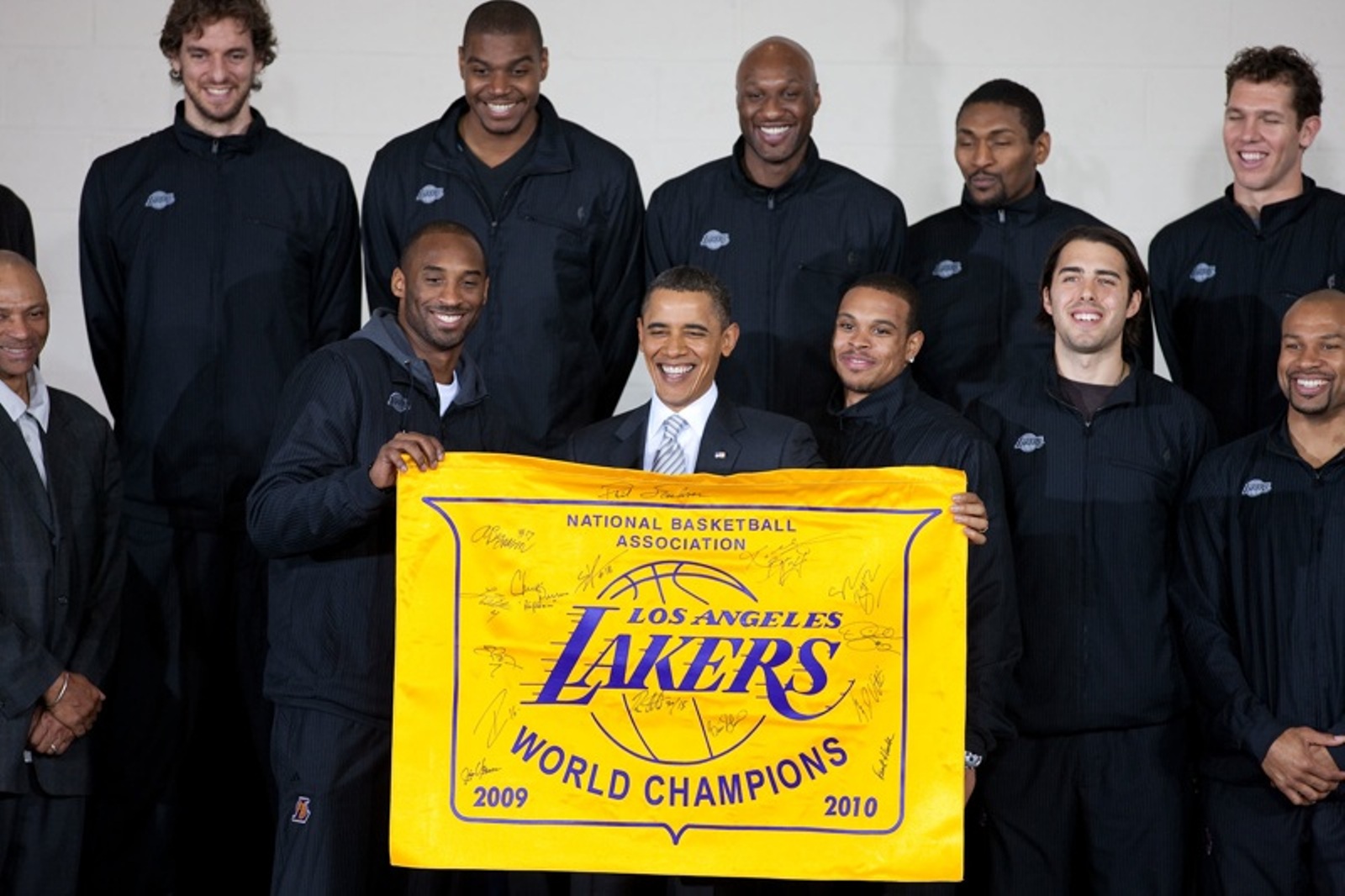
In an era where modern basketball analytics obsess over true shooting percentages and spacing efficiency, minority ownership portfolios operate on an entirely different set of mathematical constants. While NBA boardrooms simulate various asset liquidation models amidst staggering $12.5 billion franchise valuation whispers, Dr. Patrick Soon-Shiong has executed the corporate equivalent of an immovable low-block defense: he is simply not selling his 4% stake in the Los Angeles Lakers.
Asset Allocation in the High-Value Era
Fresh off the heels of payroll expansions across the league—reminiscent of massive moves like when James Harden inked his major deal in Cleveland—the sheer asset value of iconic franchises is reaching unprecedented statistical heights. With rumors swirling around minority liquidations and complex family governance dynamics among the Buss heirs, Soon-Shiong clarified via representatives that his long-term position remains unchanged.
From a purely quantitative portfolio perspective, parting with equity in the league's premier brand when national media deals and global streaming multiples are compounding at double-digit annual rates would be an analytical catastrophe. Holding 4% of a $12.5 billion enterprise gives you roughly $500 million in baseline collateral, exceptional luxury seating at Crypto.com Arena, and zero responsibility for rim-protection schemes or perimeter rotational breakdowns.
Tactical Comparison: Holding vs. Liquidating Equity
| Metric / Scenario | Hold 4% Stake | Execute Full Liquidation |
|---|---|---|
| Portfolio Volatility | Extremely Low (Appreciating Asset) | High (Reinvestment Risk) |
| Floor Spacing & Perks | Courtside Access & Prestige | Zero Baseline Seat Access |
| Front-Office Blame Share | 0.0% (Statistical Immunity) | 0.0% |
| Projected Return on Equity | Exponential NBA Multiple | Fixed Cash Yield |
Locker Room Gossip and Boardroom Noise
The decision to maintain this minority holding has triggered sharp commentary across sports finance circles, especially as the sports world monitors governance friction among legacy franchises.
🐦 @CapSheetGuru: "Holding a 4% non-voting stake in the Lakers is the highest efficiency, zero-usage-rate offensive role in sports ownership history. Pure baseline value."
💬 u/DraftCapitalist: "Why sell now? The math says you hold this equity tighter than an elite defensive wing guarding an isolated mismatch in crunch time."
Future Forecast and Tactical Wagering
So, what does Soon-Shiong's firm refusal to liquidate mean for the future of the Lakers organization? Primarily, it solidifies the existing governance structure and prevents external private equity consortiums from altering the balance sheet in the immediate term. For general manager Rob Pelinka, an intact ownership hierarchy maintains the baseline financial framework needed to navigate stringent collective bargaining restrictions.
For analytical sports bettors, market dynamics remain fascinating:
- Odds of Any Minority Shareholder Mutiny: +850 (The numbers dictate total passivity while enterprise equity rises).
- Prop Bet on Franchise Value Trajectory: Over $13.5 Billion by 2028 (-320), assuming new global media metrics hit baseline performance targets.
- Front Office Strategic Stability Rating: Neutral-to-Solid (+110), as stable boardroom caps allow uninterrupted tactical planning around core superstars.