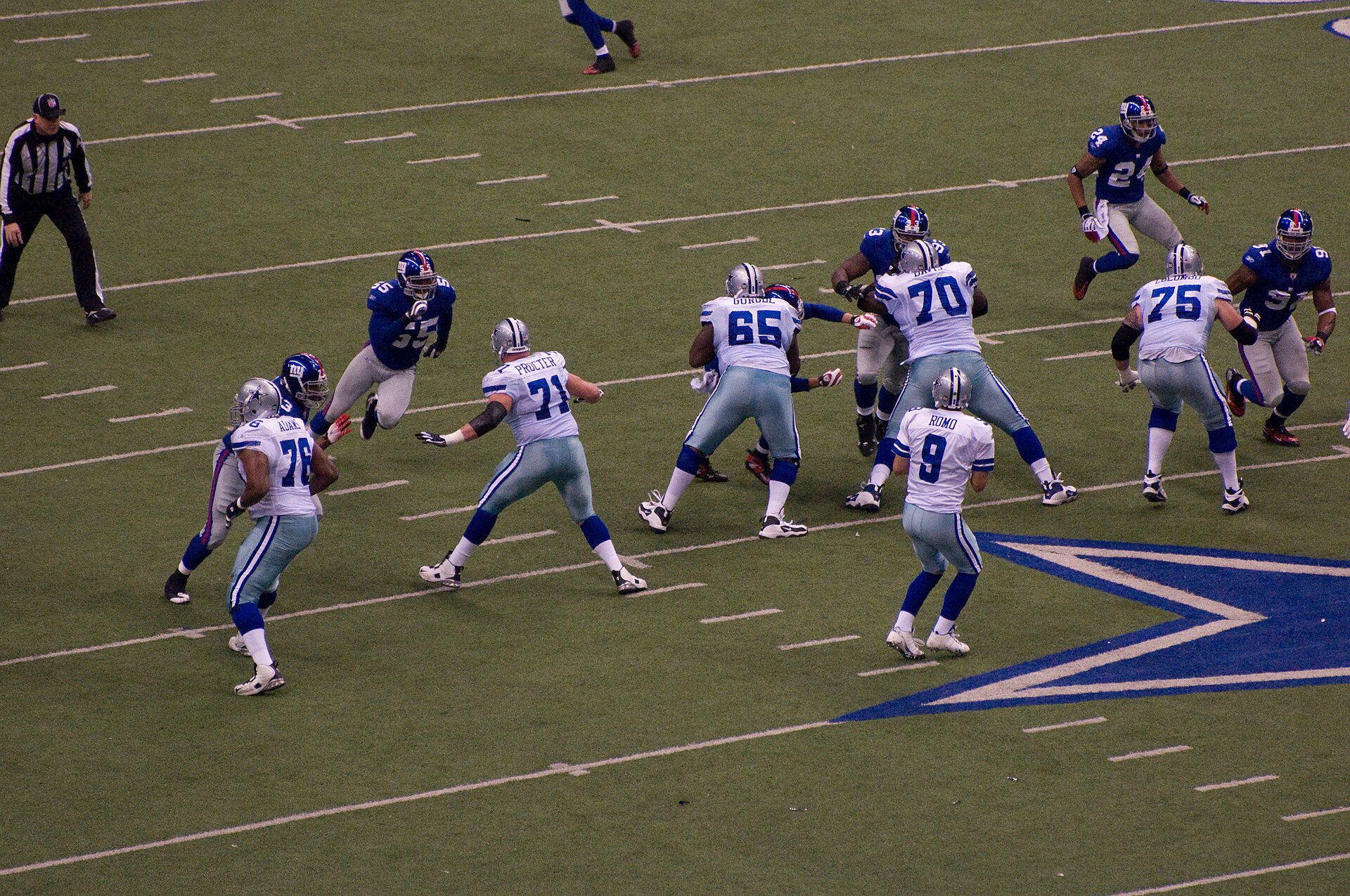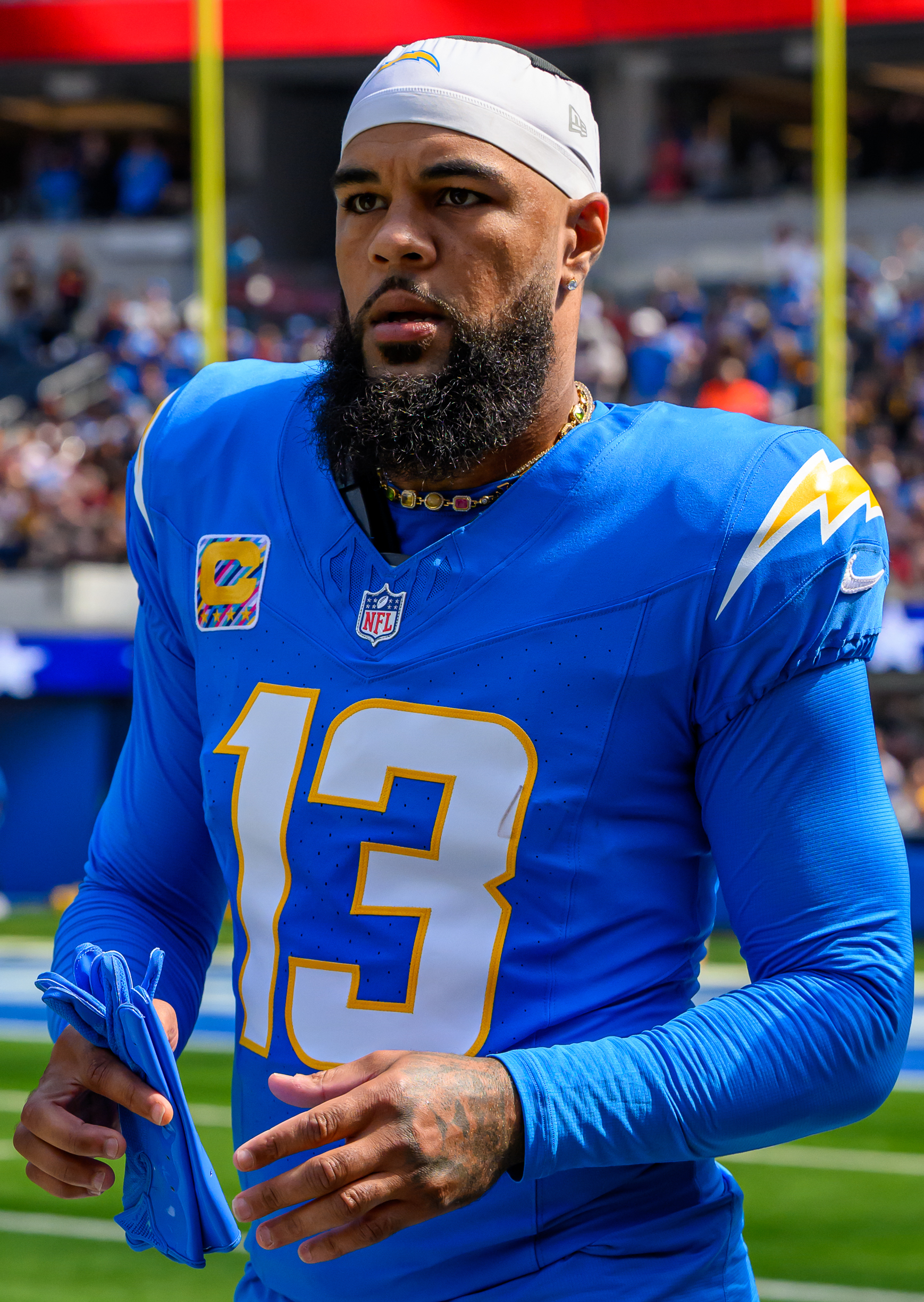

There is a distinct mathematical phenomenon in NFL roster construction where an organization's expected win probability inversely correlates with the number of microphones placed in front of its general manager. Enter Jerry Jones, who has once again thrown standard roster optimization principles into a meat grinder by publicly announcing that he enjoys the Dallas Cowboys being written off as title contenders while simultaneously teasing a massive trade for future firepower.
The Cap Space Math vs. Jerry Logic
In classical football analytics, teams generally build championship windows around surplus value contracts and draft capital efficiency. Jerry Jones, however, operates on a high-variance, chaotic neutral paradigm. Fresh off the heels of our analysis showing why nine wins is never enough in the Mike McCarthy era, the Cowboys patriarch hinted at sacrificing a top pick for immediate offensive or defensive output, driving cap space nerds into an existential crisis. Rumors immediately erupted regarding Las Vegas Raiders edge rusher Maxx Crosby, because nothing says calculated cap management like throwing future draft capital at an elite pass rusher to fix a scheme that currently bleeds success rate on early downs.
🐦 @AnalyticsCowboy: "Jerry talking about trading 2026 draft picks for firepower while our run defense ranks 30th in EPA per rush is peak cinema."
While standard front offices evaluate trades using trade value charts and expected points added (EPA), Dallas prefers the 'vibes-based asset allocation' strategy. Jones insisted he likes 'what we put together' while embracing the underdog tag, a narrative stance usually reserved for teams without a top-five quarterback salary on their balance sheet.
Evaluating the Delusion Index
To truly understand the disparity between Dallas's actual analytical profile and Jerry's public optimism, we must break down the key performance metrics currently governing the Star in Frisco:
| Metric Category | Analytical Reality | Jerry Jones Projection |
|---|---|---|
| Cap Flexibility | Severely Constrained | 'Infinite Trade Leverage' |
| Defensive Success Rate | 41.2% (Bottom Tier) | 'One Trade Away' |
| Underdog Status | Statistically Warranted | 'Tactical Psychological Weapon' |
When an executive claims to love being discounted, it usually implies a high-efficiency low-block strategy designed to catch overconfident opponents in transition. But in American football terms, the Cowboys' defensive alignment has often looked less like a disciplined low block and more like an open highway on third-and-medium. Adding high-end edge pressure via trade could theoretically improve their pass-rush win rate, but it does little to address secondary personnel gaps or light-box rushing defense.
💬 u/DraftCapitalGuru: "Trading a first-round pick in 2026 to fix a 2024 problem is like taking out a payday loan to buy an extra spoiler for a car with no transmission."
Future Forecast and Degenerate Hedging
What does this mean for the upcoming slate and Dallas's long-term trajectory? From a purely quantitative perspective, trading premium draft capital while paying top-of-market quarterback money compresses a team's championship window to a microscopic sliver. Expect Dallas to remain a hyper-volatile commodity on the betting market, capable of blowing out mid-tier opponents when Dak Prescott's CPOE (Completion Percentage Over Expected) spikes, while remaining absurdly vulnerable against disciplined rushing attacks.
For the sports bettors seeking edge in this circus, we recommend hammering the over on 'Jerry Jones cryptic trade pressers' before the trade deadline. On the field, take the opposition team total over on rushing yards whenever Dallas runs light nickel boxes against heavy 12-personnel formations. Jerry might love being the underdog, but the numbers suggest the math is currently winning the matchup.