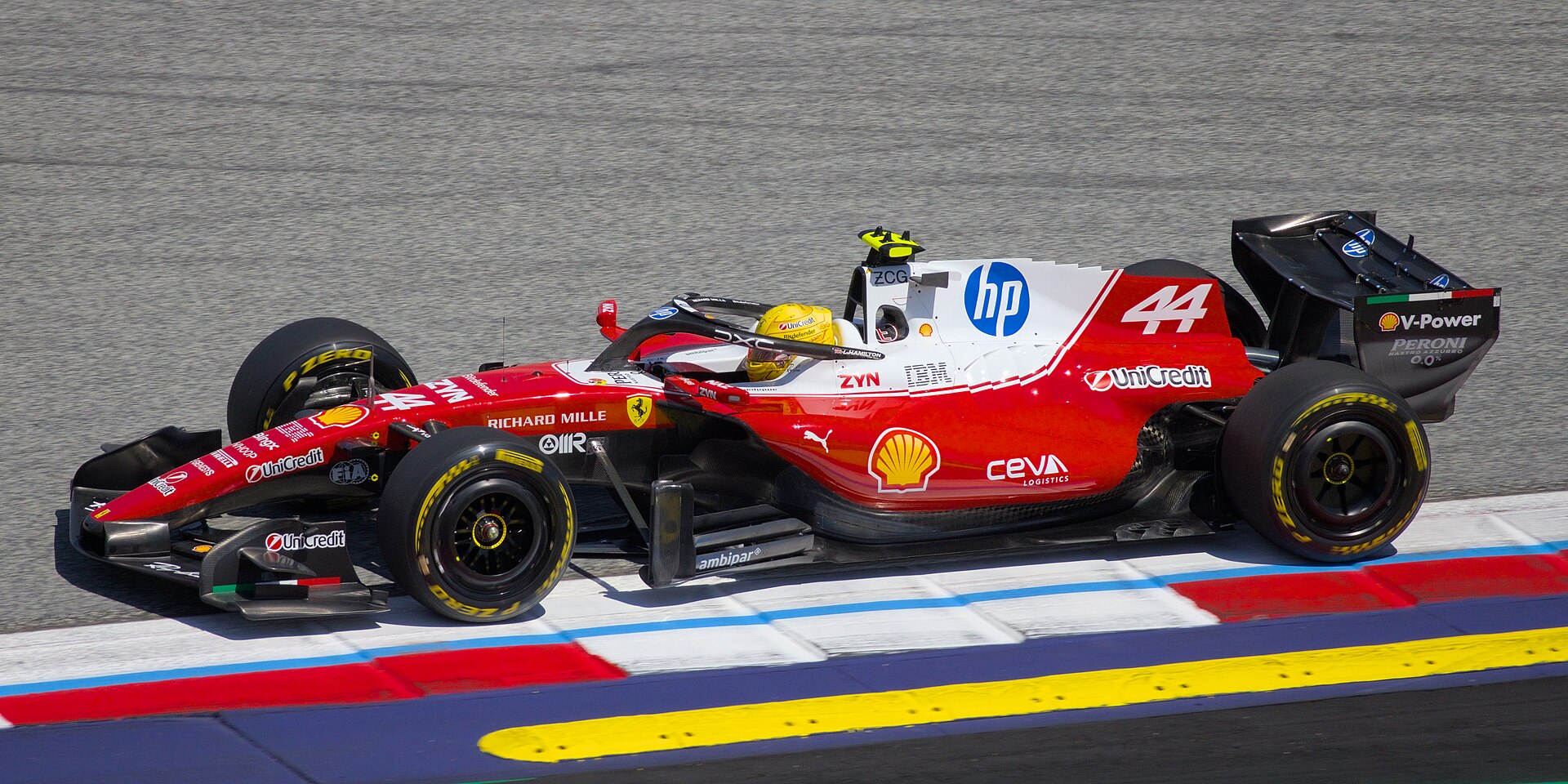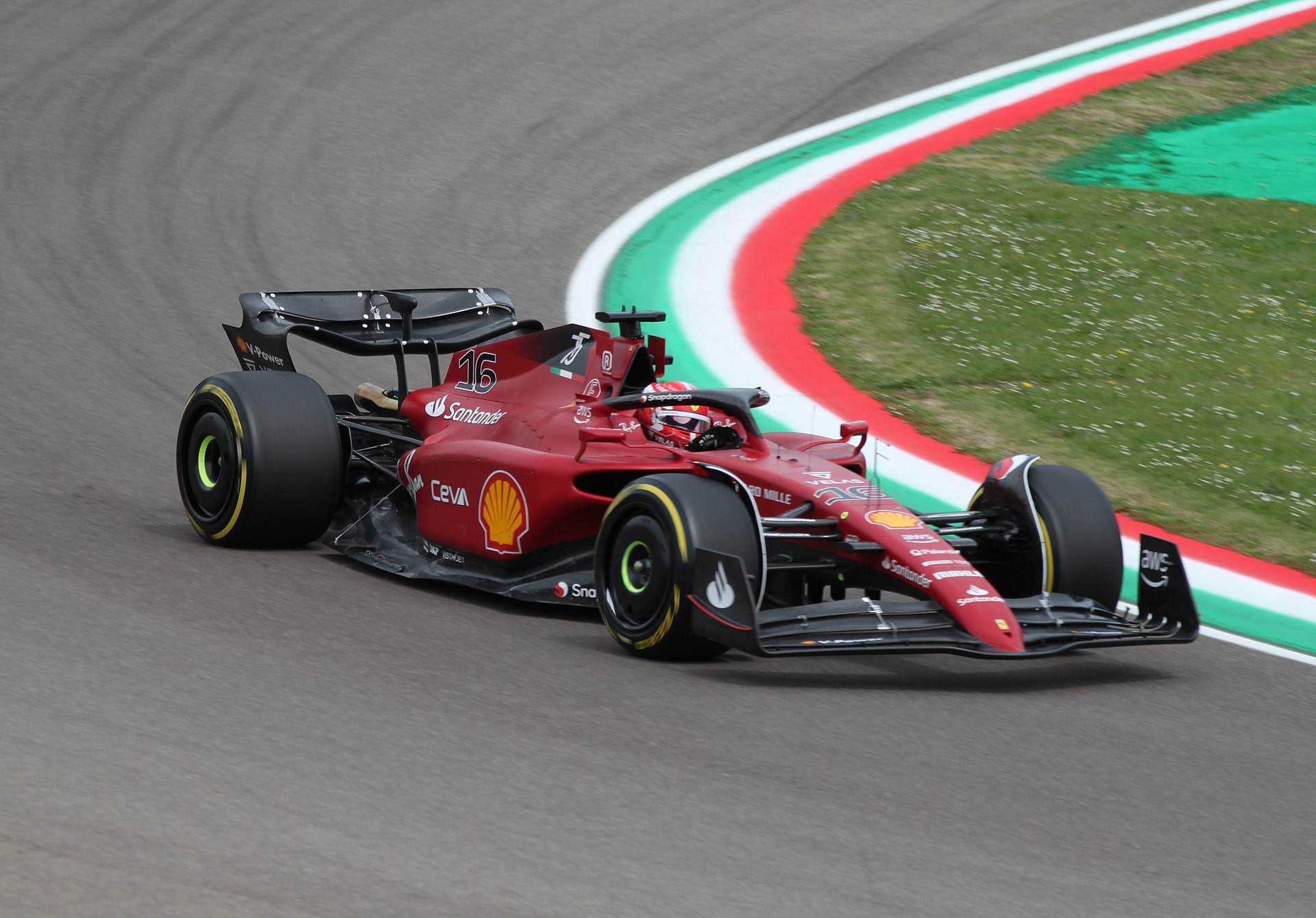

There are two distinct constants in theoretical physics: the speed of light in a vacuum, and Scuderia Ferrari arriving at the Temple of Speed armed with maximum combustion optimism and a low-drag rear wing trimmed down to the thickness of a carbon fiber razor blade. As the Formula 1 circus rolls into Monza for the Italian Grand Prix, Maranello has introduced its much-anticipated internal combustion engine update, sending telemetry analysts and the Tifosi into a simultaneous state of hyperventilation.
Telemetry, Thermodynamics, and Tifosi Hope
From a purely biomechanical and fluid dynamics perspective, Monza is less of a racing circuit and more of a 5.793-kilometer stress test for thermal efficiency and MGU-K deployment mapping. Ferrari's newly introduced power unit package is designed specifically to eliminate high-speed drag degradation down the Rettifilo Tribune while stabilizing rear-axle torque on exit through the Ascari chicane. Team Principal Fred Vasseur has maintained his trademark poker face, but the GPS trace deltas tell a distinct story: Ferrari is hunting straight-line terminal velocity at the expense of tire life in the heavy braking zones.
💬 u/TelemetryGuru44: 'The energy clipping on the Ferrari power unit looks noticeably delayed on the straight compared to Zandvoort. Either they solved thermal dissipation or Maranello is simply redlining until the pistons melt.'
🐦 @DownforceDave: 'Ferrari bringing an engine upgrade to Monza is an annual spiritual ritual. If the car does not top 350 km/h before Prima Variante, riots are legally permitted.'
Vasseur's Calculus and Hamilton's Red Visions
Charles Leclerc enters the weekend openly reaffirming his faith in Fred Vasseur's tactical restructuring, though he is keenly aware that winning at Monza requires out-calculating the relentless efficiency of the competition. Meanwhile, future Ferrari arrival Lewis Hamilton could not resist noting the romance of the weekend, remarking on the sheer spectacle of a scarlet pole position at the cathedral of Italian motorsport. For Hamilton, observing Ferrari's straight-line pace upgrade provides valuable computational data for his upcoming switch in 2025.
| Metric | 2023 Low-Drag Spec | 2024 Monza Engine Spec |
|---|---|---|
| Top Speed (Speed Trap) | 349.2 km/h | 353.8 km/h (Est.) |
| MGU-K Depletion Point | 620m before braking | 540m before braking |
| Strategic Chaos Probability | 88.4% | 35.1% (Vasseur Factor) |
Simulated Projections and Degenerate Wagers
When running a thousand Monte Carlo simulations of the Italian GP, the updated Ferrari engine package significantly boosts qualifying expected value (xPole). However, the real tactical variable remains tyre degradation during stint two on the hard compound through the high-load Curva Grande. If Maranello's pit wall can avoid strategic self-sabotage, a podium is mathematically robust.
For the sports wagering algorithms, back Leclerc to secure a front-row grid spot at +175, but hedge your emotional bankroll against a late-race safety car destroying their one-stop pit delta. Bet the over on straight-line speed records, and take the under on how long it takes the Italian crowd to invade the start-finish straight at the checkered flag.