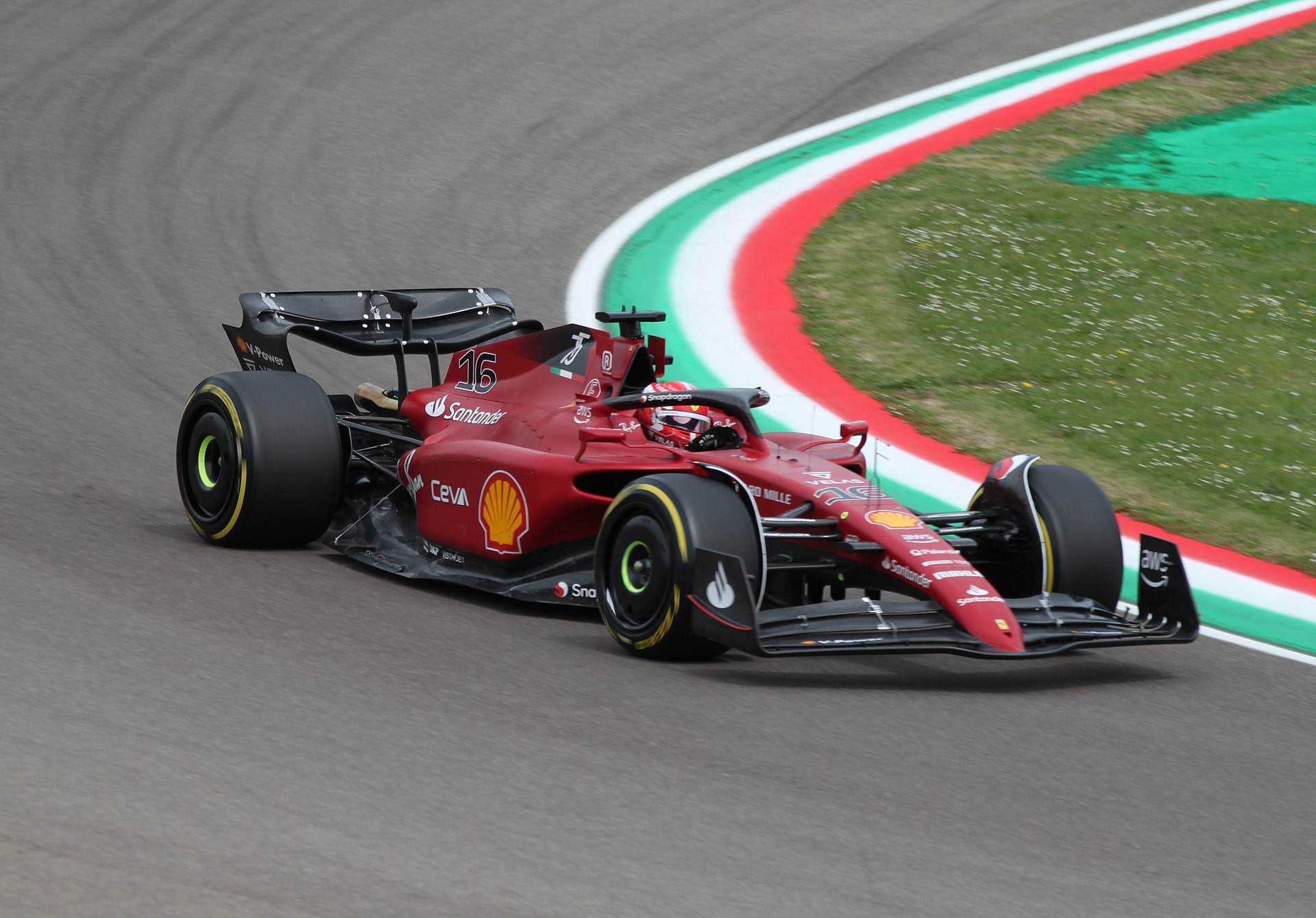
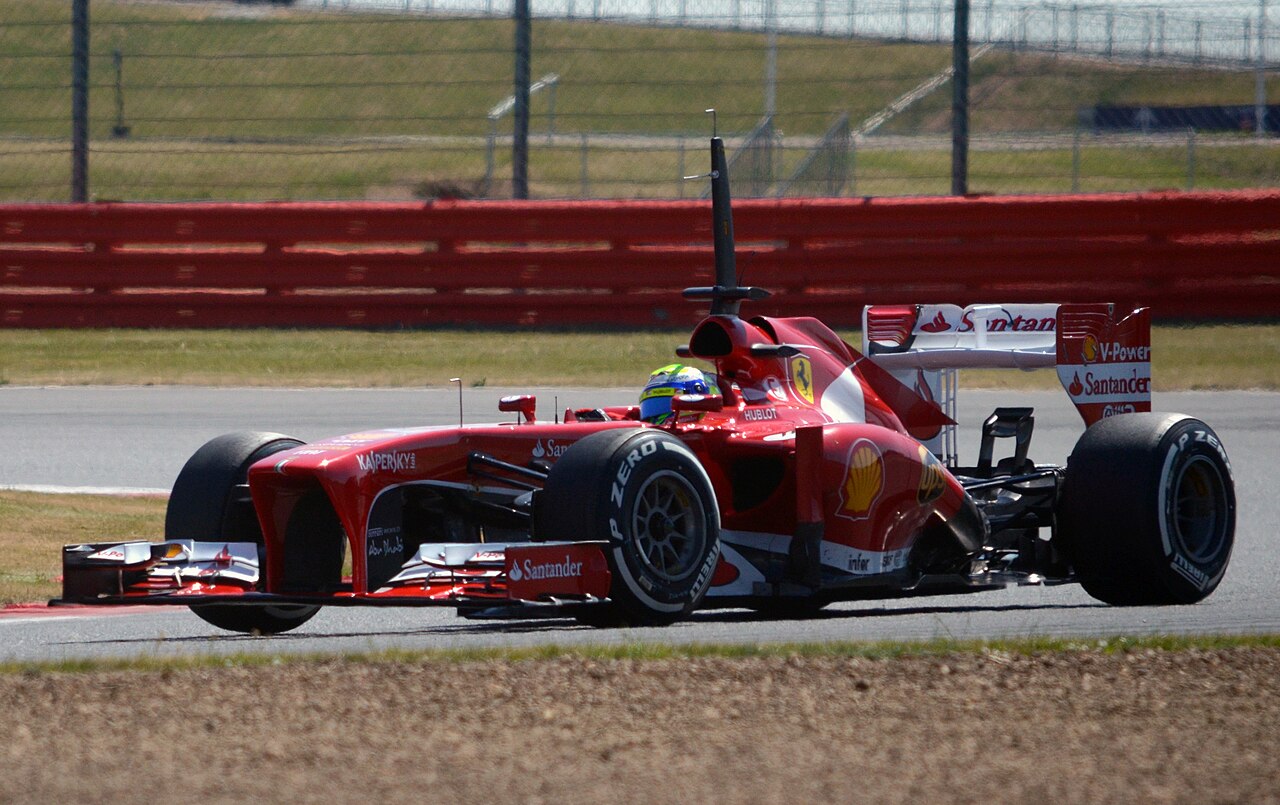
Well, well, well, isn't this a curious little conundrum? Just when you thought you had Formula 1's pecking order figured out – Red Bull dominant, McLaren lurking, Mercedes… well, Mercedes doing Mercedes things – Ferrari decided to pull a fast one at Silverstone. The Friday Debrief wasn't just a debrief; it was a collective scratching of heads, a bewildered 'Did we just see what we think we saw?' moment. Has the Scuderia truly unearthed the mythical 'Silverstone Pace' or is this just another tantalizing, albeit ultimately fleeting, Maranello mirage?
Fresh off the heels of Kimi Antonelli's surprising sprint victory earlier in the weekend, and Lewis Hamilton snagging pole for that sprint, the atmosphere was already thick with the scent of unexpected narratives. But even then, nobody truly anticipated Ferrari's sudden surge of genuine, unadulterated speed. Mercedes' George Russell, bless his tactical heart, was reportedly 'baffled' by Ferrari's sudden turn of speed, a quote that quickly became the paddock's favorite meme. It's the kind of bewildered utterance that makes you wonder if Ferrari accidentally stumbled upon a cheat code in the simulator and forgot to reset it.
The Prancing Horse's Puzzling Gallop
The gossip mill is churning faster than an F1 car through Copse Corner. Whispers suggest that Ferrari's engineering team, perhaps after one too many espressos, unlocked some hitherto unknown setup synergy with the SF-24 chassis specifically for the high-speed demands of Silverstone. Or maybe, just maybe, they simply convinced the Pirelli tyres to behave themselves for once. It's the equivalent of finding a perfectly balanced diet for a notoriously fussy toddler – a momentary miracle.
🐦 @F1DataGeek: "My telemetry is screaming, but my brain is still processing how Ferrari suddenly found 0.3s in sector 2. Did they install a warp drive overnight?"
💬 u/MercedesFanatic77: "George Russell's face after Friday practice was a masterpiece. He looked like he'd just seen a ghost, or perhaps a Ferrari with actual straight-line speed."
The public reaction? A mix of ecstatic Tifosi optimism and cynical eye-rolls from those who've seen this 'false dawn' movie before. But even the cynics couldn't deny the raw pace displayed. The car looked glued, the drivers confident, and the sector times... well, they just didn't make sense to anyone outside Maranello. Some are speculating they finally cracked the 'low-speed corner stability' nut, while others point to a miraculous 'tyre degradation window' discovery that only works under the specific atmospheric conditions of Northamptonshire.
Aerodynamic Alchemy or Tyre Whisperers?
From a purely tactical perspective, Ferrari's sudden ascent presents a fascinating case study. Was it a specific aerodynamic package tailored for the British circuit's sweeping corners, allowing them to carry more speed through the high-G sections? Or did they finally manage to coerce the notoriously capricious Pirelli rubber into a consistent operating window, minimizing thermal degradation while maximizing grip? My money's on a judicious combination of both, sprinkled with a healthy dose of driver confidence that comes from actually having a car that doesn't try to spontaneously combust mid-corner.
The critical factor here is often the 'rake angle' and 'diffuser efficiency' – two phrases that sound like they belong in an astrophysics lecture but are paramount in F1. If Ferrari optimized these for Silverstone's specific flow structures, they could indeed unlock significant lap time. The alternative, and perhaps more terrifying for rivals, is that they've found a genuine breakthrough in their 'low-speed transition' performance, a traditional Achilles' heel for the Scuderia. If that's the case, we're not just looking at a Silverstone fluke, but a potential paradigm shift.
Silverstone's Surprising Stats: A Snapshot
Here's a quick tactical readout from the Friday sessions, providing a glimpse into Ferrari's unexpected dominance:
| Metric | Ferrari (Average) | Closest Rival (Average) | Delta |
|---|---|---|---|
| Sector 1 (High Speed) | 25.12s | 25.35s | -0.23s |
| Sector 2 (Technical) | 36.78s | 37.01s | -0.23s |
| Sector 3 (Mixed) | 22.50s | 22.68s | -0.18s |
| Tyre Degradation (Soft) | Minimal | Moderate | Significant |
| Top Speed (KPH) | 325.8 | 326.1 | +0.3 KPH |
The Maranello Mirage: Future Implications
So, what does this sudden burst of performance mean for the rest of the season? Is this a genuine turning point, or merely a flash in the pan before the usual Ferrari existential crisis resumes? The tactical pundits are divided. Some argue that if they can replicate this setup optimization at other high-speed tracks, the championship battle just got a lot more interesting. Others, however, are wary, suggesting Silverstone's unique characteristics might have simply masked underlying issues that will resurface on less forgiving circuits.
For those brave souls looking to wager their hard-earned cash, I'd suggest a speculative punt on Ferrari achieving a podium, but maybe hedge that bet with a small 'safety car deployment' wager. Because, let's be honest, it's Ferrari, and unexpected variables are their specialty. Or, if you're feeling truly audacious, bet on a pundit correctly explaining Ferrari's sudden burst of speed without resorting to 'they just found something'. Expect intense data analysis from every rival team this week; if Ferrari really has found a new performance vector, the F1 grid is about to engage in a very expensive game of catch-up.