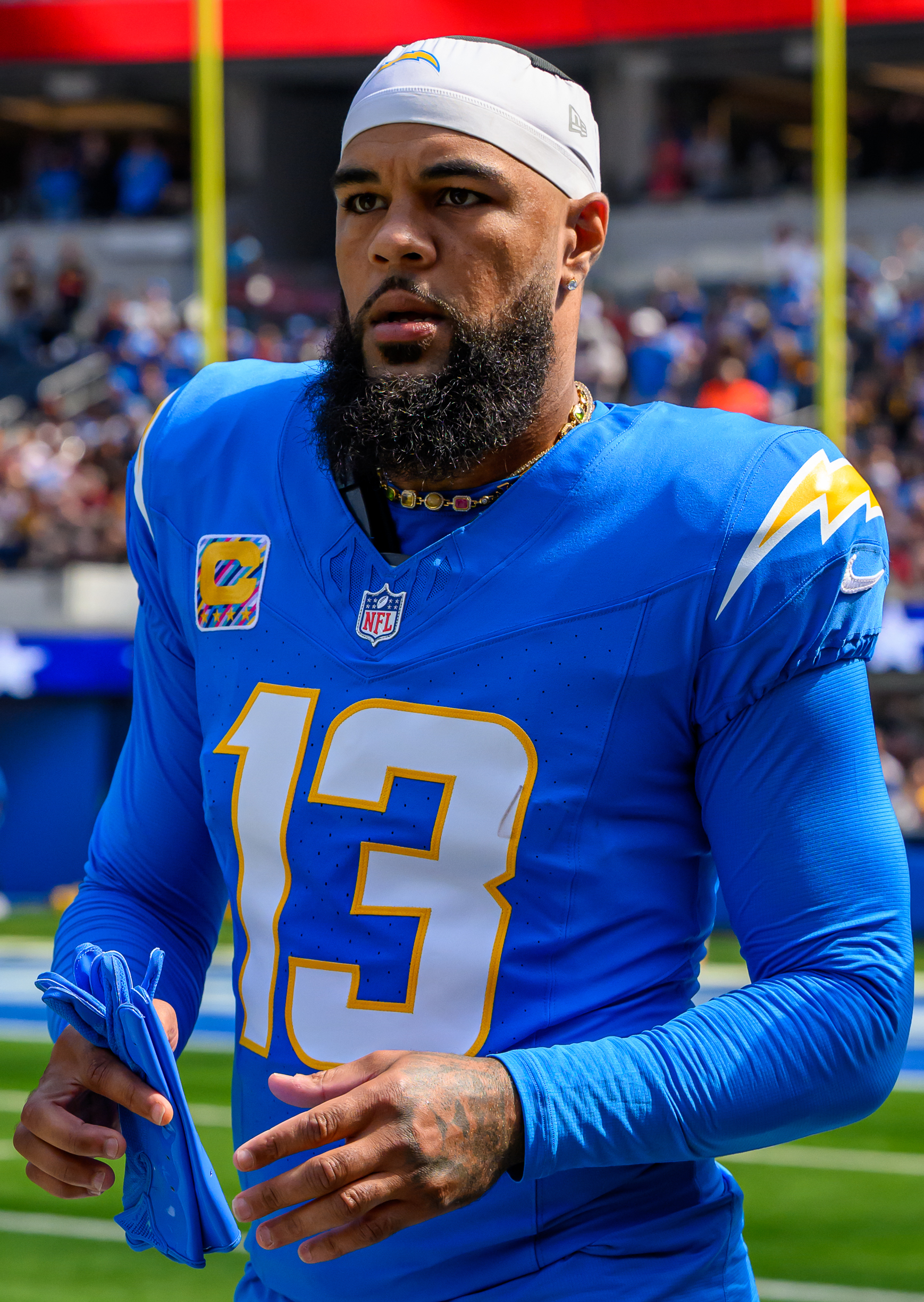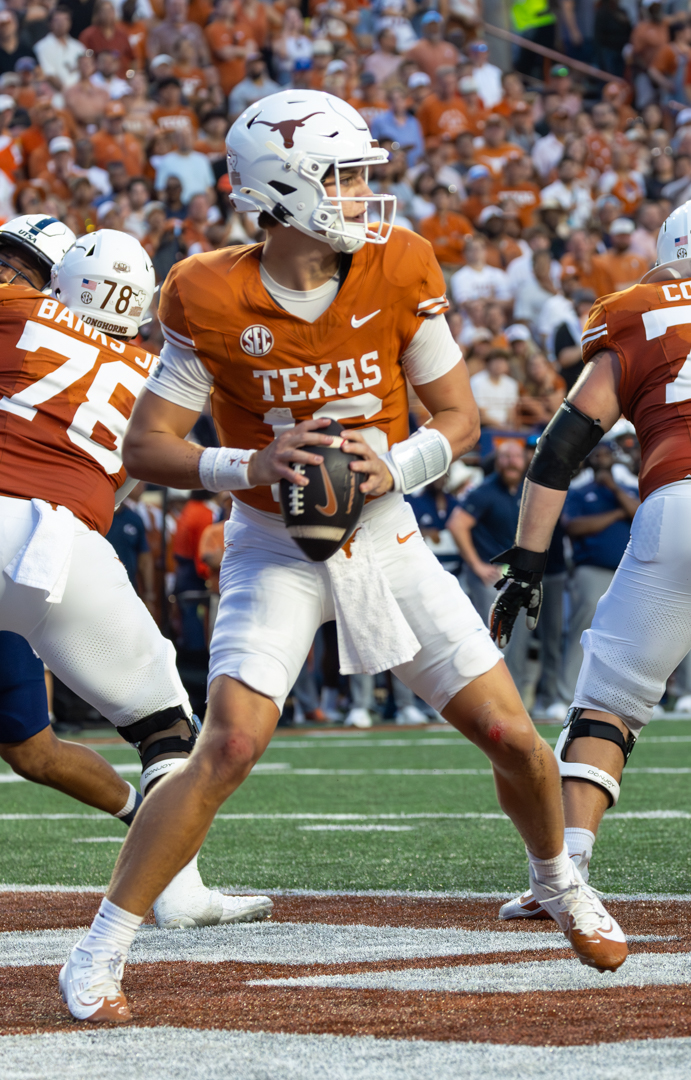
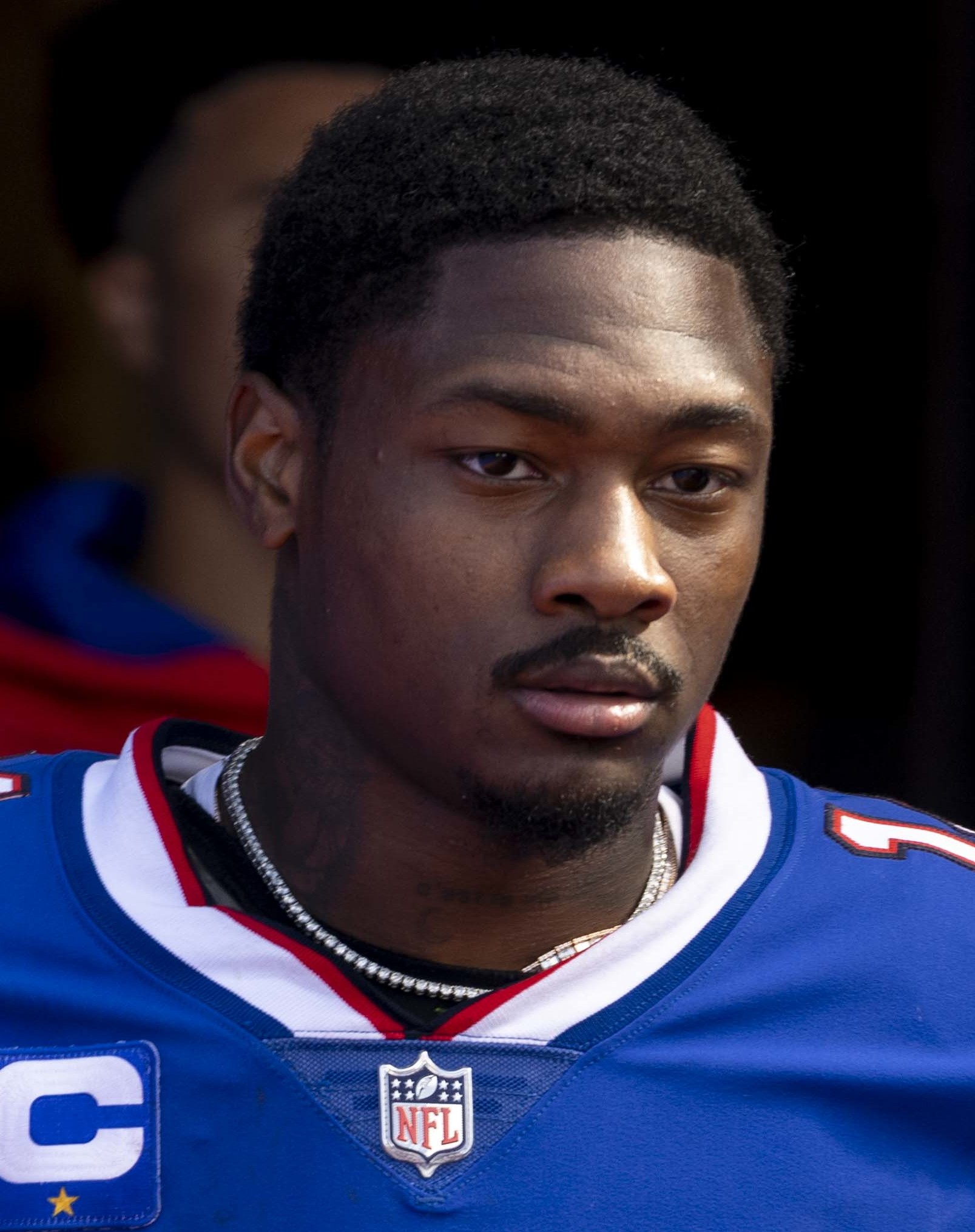
In the cold, unforgiving theater of advanced football analytics, expected points added (EPA) is king. It measures leverage, efficiency, and game state down to the decimal point. Nowhere in any quantitative regression model, however, is there a formula for measuring the negative EPA generated by an elite wideout treating an NFL goalpost like an acrobatic apparatus in crunch time against the Philadelphia Eagles.
The Optimization Failure in the End Zone
Fresh off the heels of our recent realization where Josh Allen bailed out Buffalo again without him, Stefon Diggs found himself at the epicenter of a tactical disaster in Washington. The veteran pass catcher, acquired to serve as rookie sensation Jayden Daniels' primary separator against nickel and two-high safety shells, produced an absolute spatial paradox. Diggs secured the score, processed the route tree with clinical precision, and then proceeded to forfeit 15 yards of pure leverage via an unsportsmanlike conduct penalty for using the goalpost as a celebratory prop.
In standard game-state modeling, giving up 15 yards on a post-score kickoff alters the opponent's starting expected drive output by nearly +1.28 points. Against an explosive Eagles transition offense, that free real estate proved catastrophic in what became a agonizing season-opening loss.
🐦 @DC_MetricNerd: "Stefon Diggs posted a 78% win rate vs press man coverage only to get utterly shut down by Rule 12, Section 3, Article 1 of the NFL rulebook."
💬 u/GridironGeek: "You simply cannot sacrifice 15 yards of defensive field position to flex on a yellow piece of aluminum. The EPA swing made me physically ill."
Locker Room Alignment vs. Spatial Arithmetic
Despite public outrage labeling the maneuver one of the week's most mathematically irresponsible blunders, the Commanders' coaching staff and rookie signal-caller Jayden Daniels immediately locked shields around Diggs. Diggs stepped up to the microphones post-game stating frankly, "I take full accountability." Daniels, who displayed poise inside chaotic pockets all afternoon, downplayed the incident, prioritizing team cohesion over analytical shaming.
To contextualize how a single celebration penalty mutates a football game, look at the drive-level leverage swing:
| Metric | Clean Kickoff Baseline | Post-Penalty Baseline |
|---|---|---|
| Opponent Starting Field Position | Own 30-Yard Line | Own 45-Yard Line |
| Opponent Touchdown Probability | 21.4% | 37.8% |
| Defensive Success Rate Allowed | 58.2% | 42.1% |
| Net Emotional Damage | Low | Catastrophic |
Coaches preach complementary football, which dictates that offensive execution must align with special teams pinning depth. By gifting Philadelphia optimal field position on a platter, Washington's defense was thrust into high-stress sub-package rotations without the tactical cushion of deep yardage.
Tactical Forecast and High-Variance Props
Moving forward into Week 2, Dan Quinn's staff must refine Diggs' post-whistle discipline without dulling his aggressive stem-separation at the top of routes. Daniels clearly trusts him as his intermediate zone-beater, and the route distribution will continue tilting heavily toward Diggs on third downs.
For the sports bettors seeking mathematically sound action, monitor the under on Washington's defensive yards allowed on short rest, and consider throwing a speculative unit on Diggs exceeding 7.5 receptions next week. Just make sure your book doesn't offer a prop on "Unsportsmanlike Conduct Flags Incurred by Goalpost Interactions," because the volatility on that derivative market is entirely off the charts.