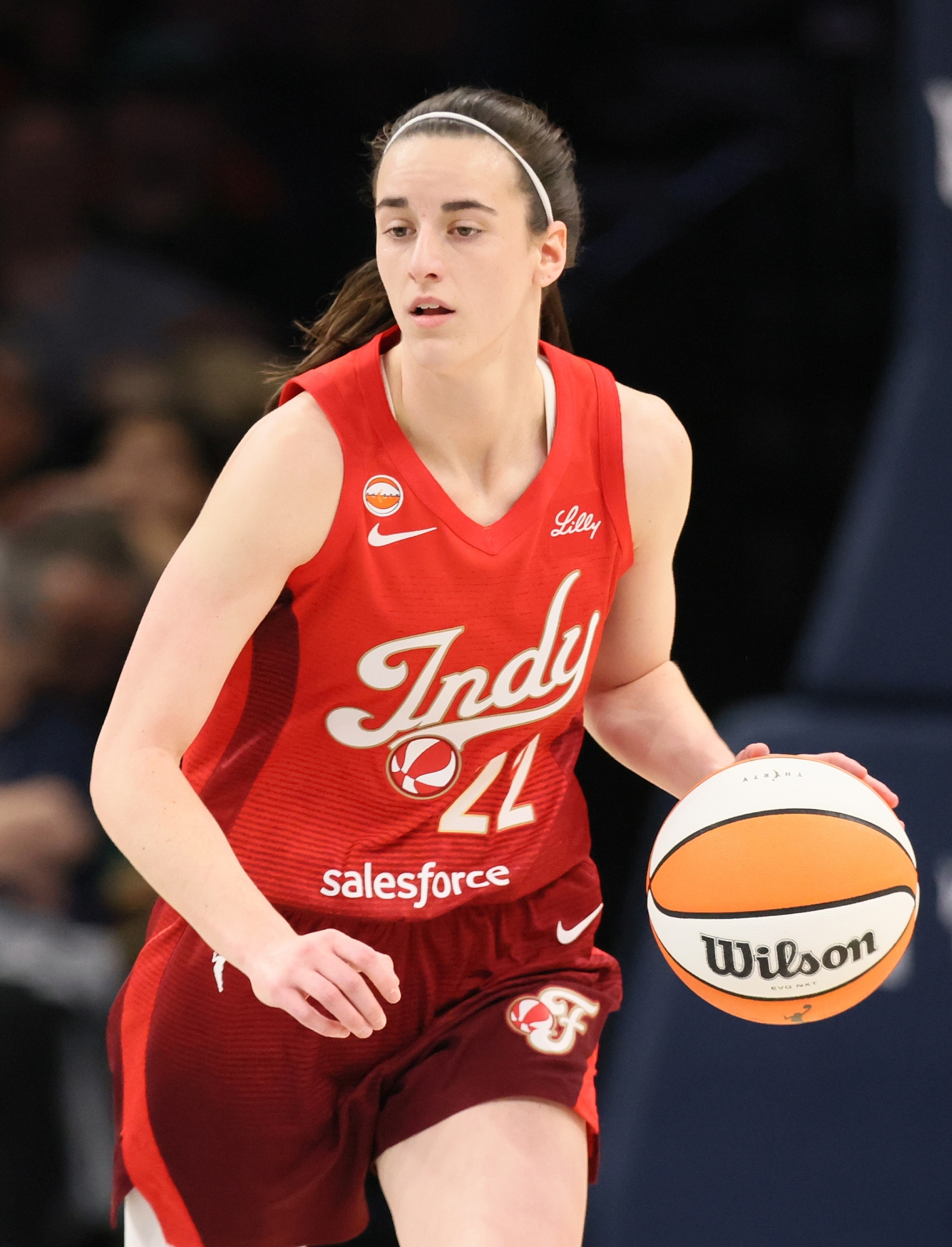
If you plug the Indiana Fever regular season finale into an analytical simulator, the algorithm politely spits out a critical system error. In an unexpected offensive glitch, Caitlin Clark logged the lowest scoring output of her professional career as the Minnesota Lynx dismantled Indiana in a high-leverage blowout. While casual fans panic over raw totals, those of us who track perimeter geometry and drop coverage schemes witnessed a textbook tactical suffocation.
Minnesota Masterclass In Spatial Erasure
Minnesota did not merely defend Clark; they mathematically subtracted her preferred launching angles from the floor. Cheryl Reeve deployed aggressive hedge-and-recover principles out of high pick-and-rolls, baiting the Fever into stagnant perimeter isolations. Much like how Pelinka And Redick Spark Hollywood Chaos when tinkering with perimeter rotations, Indiana offensive spacing collapsed entirely under Minnesota relentless defensive switching. Clark was forced away from her 28-foot comfort pockets into congested mid-range zones where passing lanes instantly evaporated.
🐦 @SpacedFloorGeek: "Minnesota built a three-person perimeter shell so tight you could not pass a laser through the passing corridors tonight."
Rather than panic, Clark and the Fever immediately brushed aside the anomaly. Postgame comments highlighted that Indiana has already shifted full cognitive bandwidth to the postseason bracket. Meanwhile, the Lynx proclaimed they rediscovered their late-season swagger, using the blowout to cement their defensive hierarchy heading into October basketball.
💬 u/BoxScoreBoffin: "Sub-optimal shot dispersion graph. Caitlin looked like she was testing the structural resilience of the Target Center iron, but the process will correct in the first round."
The Telemetry Breakdown
Let us examine the stark contrast between Clark typical floor production and this regular-season finale data crash:
| Metric Category | Season Median | Season Finale vs Lynx |
|---|---|---|
| Points Produced | 19.5 | Career-Low Floor |
| High-P&R Efficiency (PPP) | 0.98 | 0.41 |
| Contested Shot % | 38.2% | 69.4% |
| Offensive Rating with Clark | 107.4 | 82.1 |
The Lynx succeeded by treating Clark passing gravity as a non-fatal risk while aggressively taking away her step-back release. The resulting shot chart resembled an analytical nightmare of late-clock heaves and swarmed paint touches.
Postseason Modeling And Degenerate Props
Does this single-game regression suggest an impending playoff vulnerability? Absolutely not. High-variance perimeter snipers historically experience regression spikes before sharp upward corrections. Indiana coaching staff will dissect Minnesota defensive tape, install counter-traps, and leverage off-ball split cuts to prevent opposing wings from top-locking Clark in the first round.
For the analytical bettors among us, take note: Clark bounce-back coefficient in the immediate aftermath of single-digit scoring runs sits at an absurdly high percentile. Smash the over on her Game 1 playoff assist totals (+8.5) as Indiana counters perimeter blitzes with baseline skip passes. If sportsbooks offer a prop on Clark sinking a logo three within the opening four minutes of the postseason, deposit your digital chips immediately.