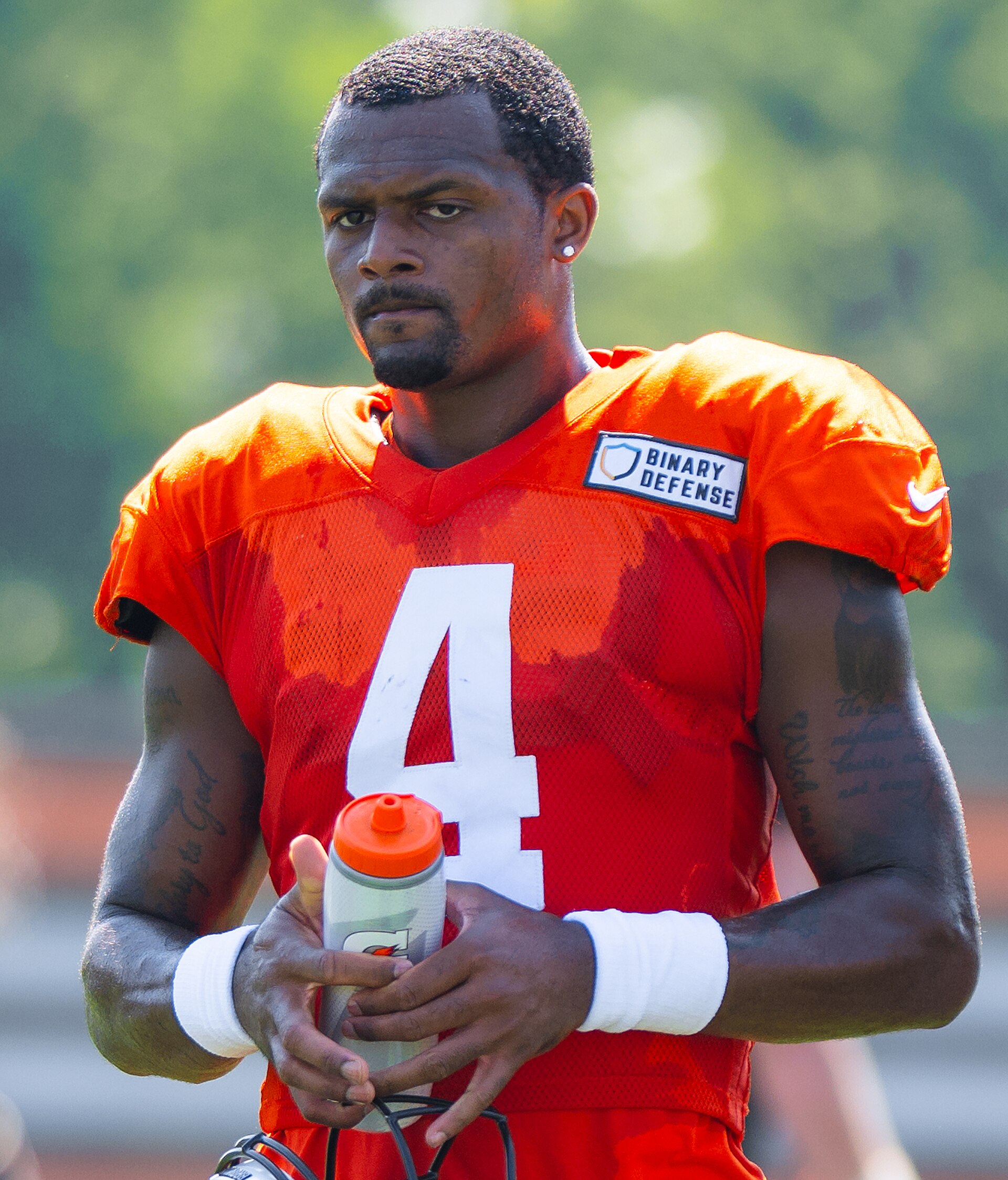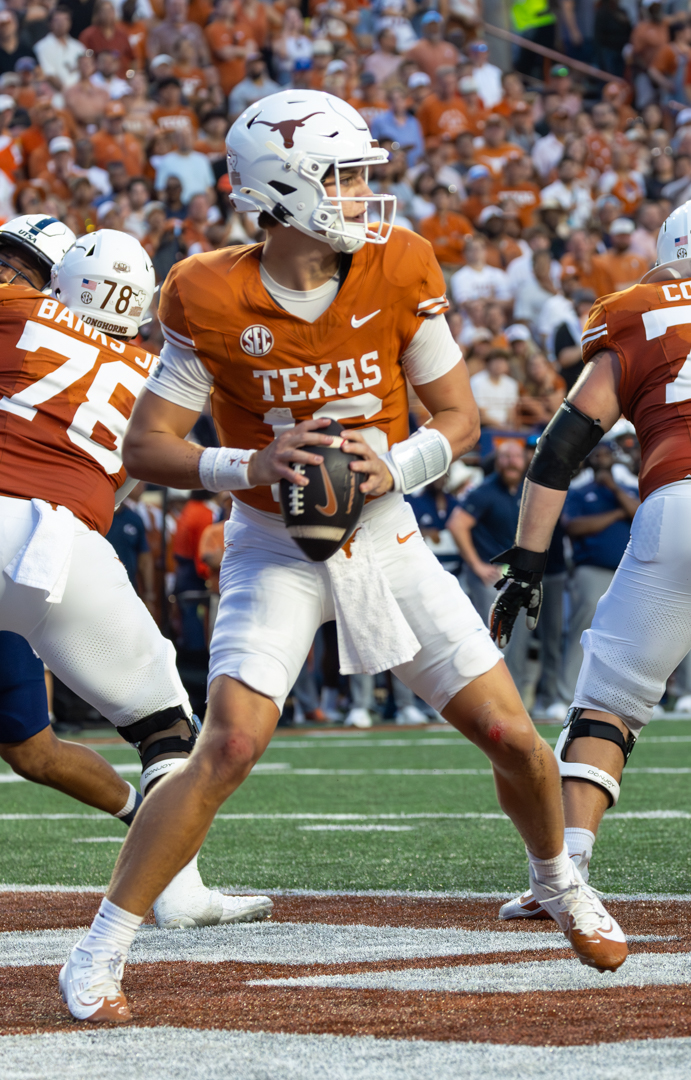
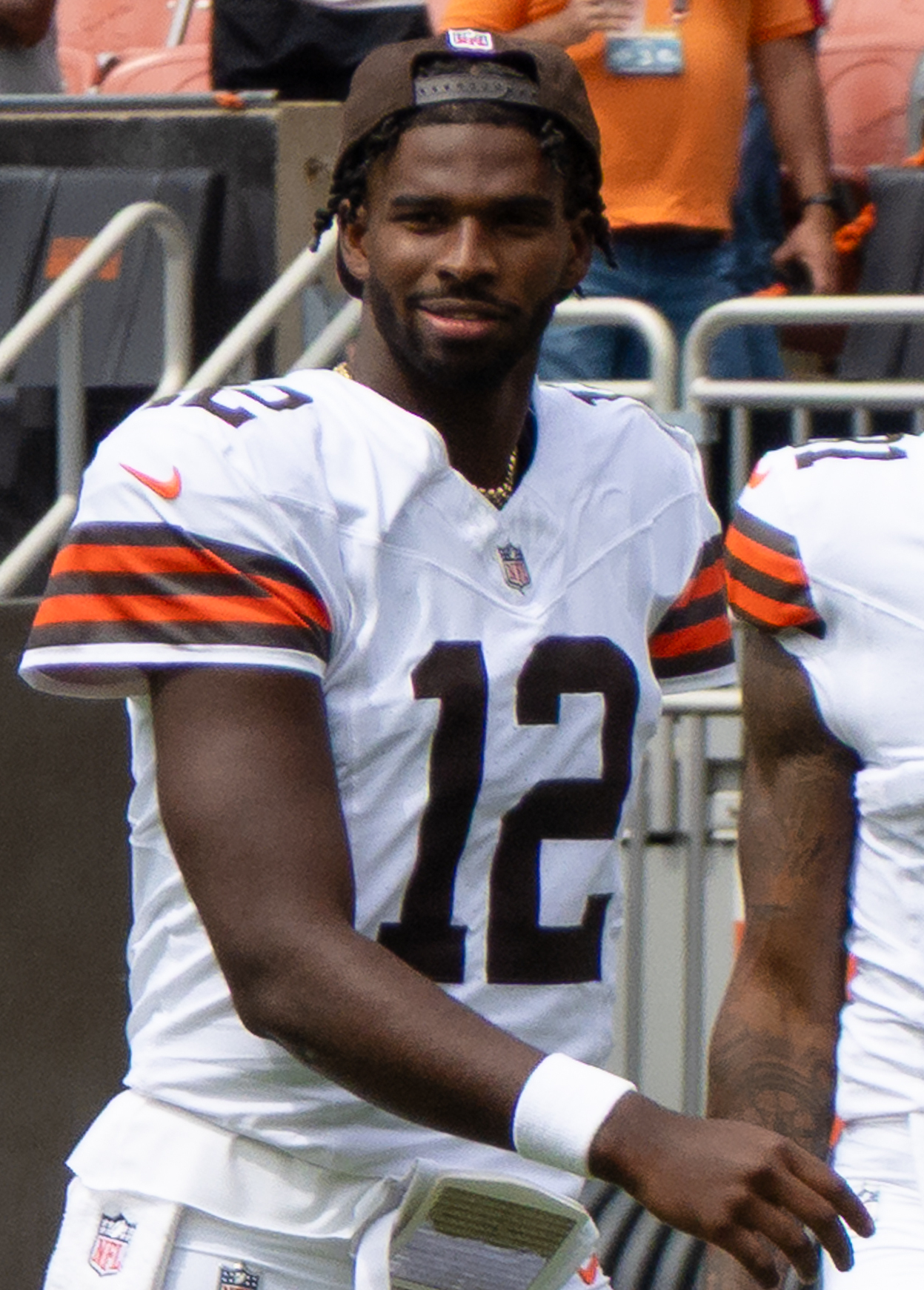
If you thought the NFL signal-caller landscape was already dripping with unquantifiable absurdity after watching the Falcons shock the league with their Week 1 quarterback maneuvers, Cleveland offensive coordinator Todd Monken just decided to recalibrate the entire drama coefficient. As the Browns prepare for the Jacksonville Jaguars, the chalkboard in Berea has produced an unexpected output: rookie Taylen Green is pushing to be the active QB2 on game day, leaving collegiate royalty Shedeur Sanders potentially dressed in sterile street clothes.
The Spreadsheet War in Berea
In classical offensive theory, backing up a polarizing franchise starter like Deshaun Watson requires a clipboard specialist whose primary attribute is sitting quietly in quarterback meetings. Instead, Monken openly flirted with deploying Green in tailor-made packages. We are talking about deliberate personnel wrinkles designed to stress Jacksonville defensive coordinator Ryan Nielsen on early downs. While conventional wisdom presumed Shedeur Sanders would automatically step into the immediate understudy role, the analytics department seems enamored by Green's raw operational velocity.
Naturally, the internet reacted with the statistical restraint of an uncalibrated regression model:
🐦 @DawgPoundMetrics: "We drafted Prime Jr. just to run triple-option sub-packages with a 6-foot-6 track star. The simulation is completely malfunctioning."
💬 u/BereaGridironNerd: "Monken sees Green run a zone-read mesh point and his dopamine receptors spike immediately. Sanders is pure pocket EPA, but Green offers spatial chaos."
Option Packages, Heavy Sets, and EPA Anomalies
From an offensive architecture standpoint, elevating Green over Sanders for the active gameday roster makes chillingly pragmatic sense. Modern active roster regulations mandate efficiency: if your QB2 is merely a redundant, lesser version of your starter, you waste leverage against basic Cover-3 shells. Green provides an asymmetric cheat code in 12 personnel. His ability to execute designed bootlegs and RPO keepers manipulates second-level linebackers, opening up intermediate passing lanes.
Sanders remains the superior processor in clean pockets, demonstrating remarkable processing speed against blitz looks. However, during live game management, coaches want dynamic variance. If Watson's passing rhythm degrades or the offensive line allows pressure rates north of 38 percent, Monken can inject Green directly into the red-zone package to hunt cheap rushing EPA.
The Depth Chart Tale of the Tape
| Player | Projected Week 1 Role | Tactical Skillset | Scheme Fit Leverage |
|---|---|---|---|
| Deshaun Watson | Starter (QB1) | Off-platform mobility, intermediate aggression | Full playbook baseline |
| Taylen Green | Active QB2 / Sub-package | Read-option operator, top-tier linear speed | High red-zone and short-yardage utility |
| Shedeur Sanders | Inactive / Emergency QB3 | High-floor pocket technician, accurate distributor | Traditional timing-and-rhythm relief |
Projected Beta Tests and Degradation Hazards
What does this mean for Sunday against Jacksonville? Expect at least three snaps where Green enters the backfield in an offset pistol formation, forcing the Jaguars edge rushers to pause their inside penetration. If Jacksonville commits eight men to the box, Monken will likely test them with a boundary perimeter shot off play-action.
For the degenerate sports-betting algorithm enthusiasts, take the alternate under on total Browns conventional pass attempts and keep an eye on Green anytime touchdown props hovering at astronomical plus-money odds. It is unconventional, wildly combustible, and peak Cleveland football.