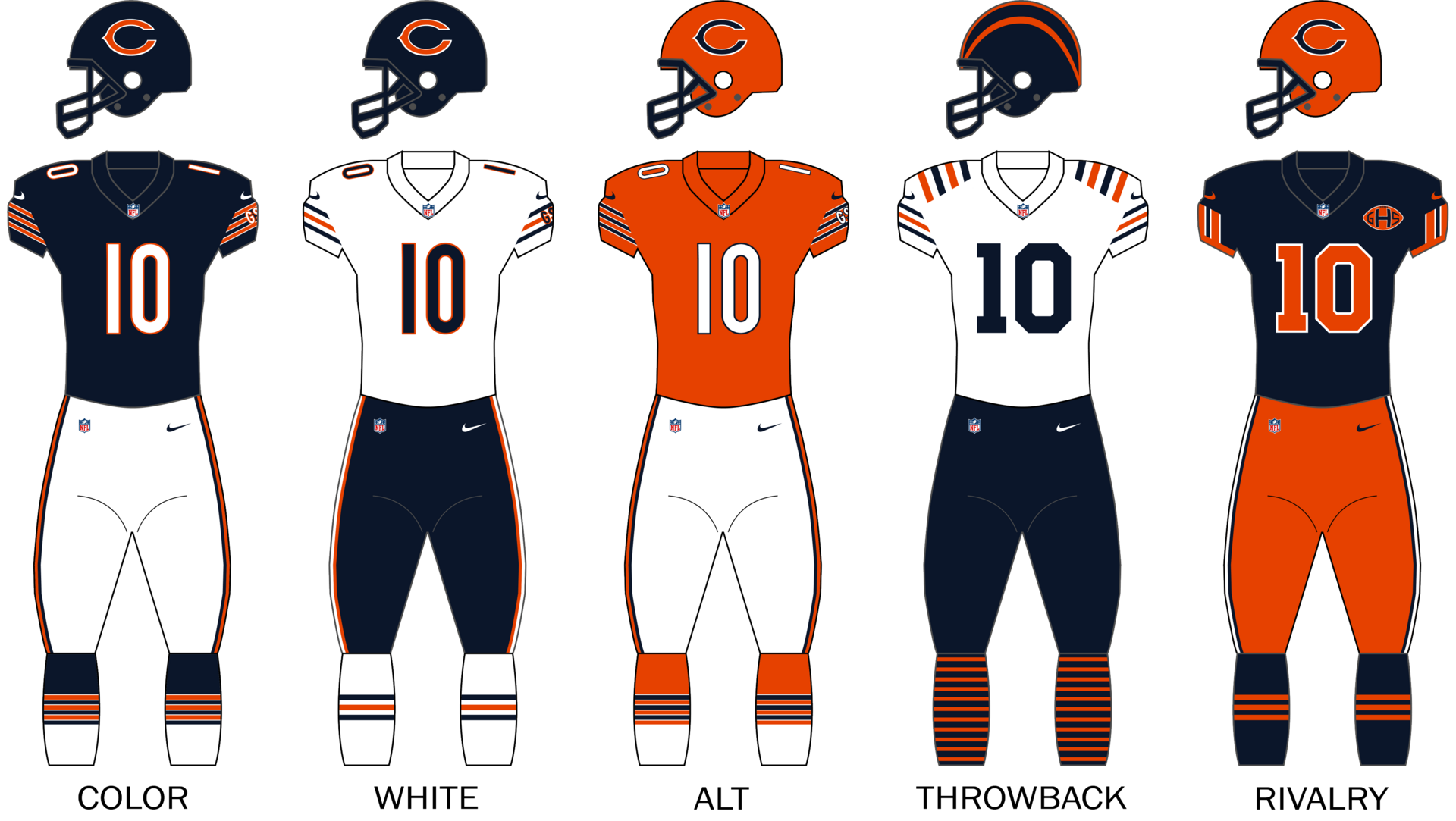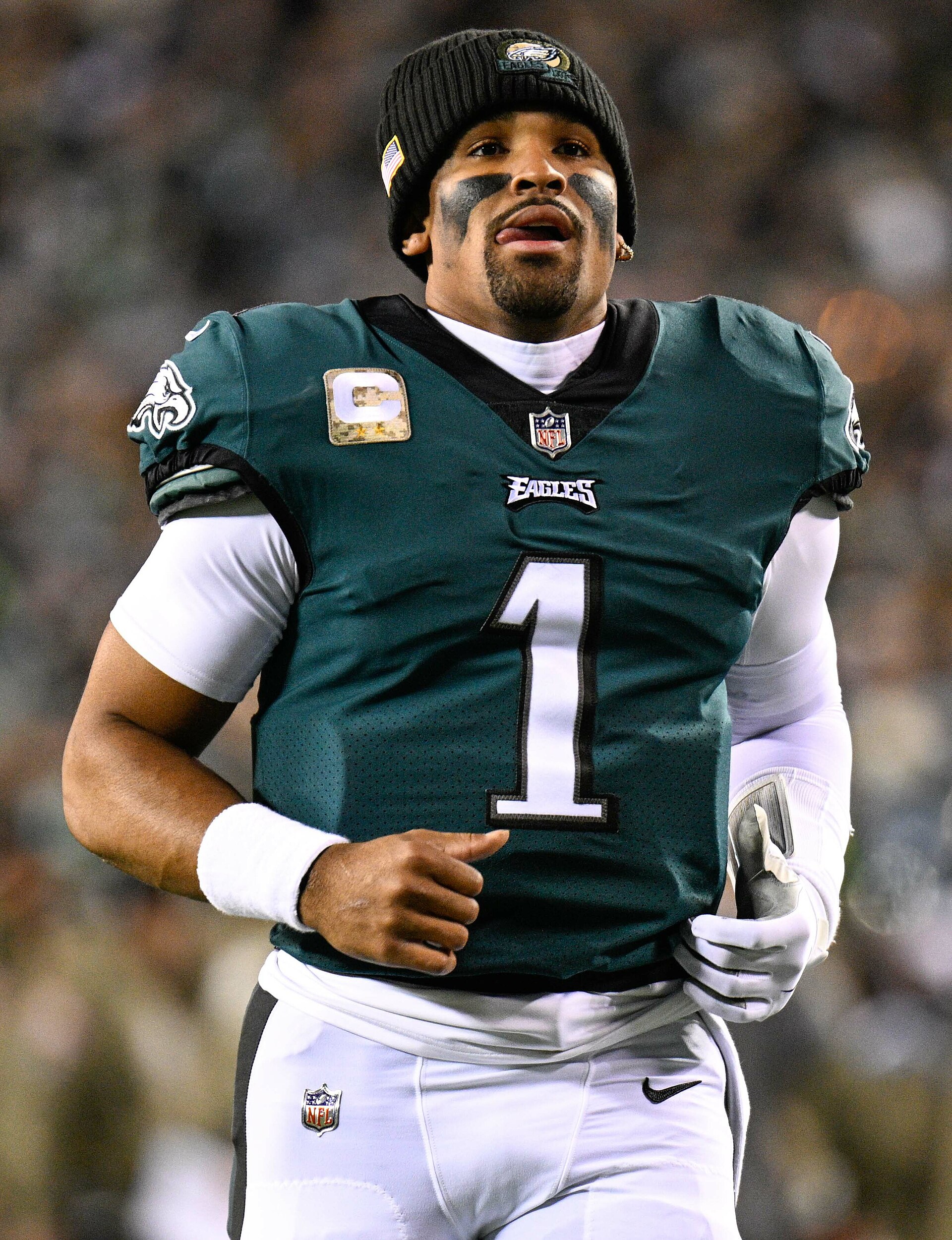
Welcome to the laboratory of modern football misery, where Chicago analytics exist entirely in a vacuum of high-variance chaos. With rookie sensation Caleb Williams officially sidelined due to injury, the Chicago Bears coaching staff faced an algorithmic dilemma heading into Monday Night Football against the Philadelphia Eagles. Backup Tyson Bagent passed through the league concussion protocol and returned to practice, yet Chicago has decided to dig deep into the archives and give veteran signal-caller Case Keenum the starting nod.
The EPA Dilemma Under Center
From a purely data-driven perspective, starting a quarterback straight off the concussion protocol on a short turnaround is an exercise in negative expected value. Bagent, an undrafted darling who thrives on rapid time-to-throw metrics and low-depth-of-target checkdowns, was listed as questionable before receiving clearance. However, handing the keys to Keenum suggests the coaching staff is prioritizing pocket navigation and pre-snap protection calls against Vic Fangio and the Eagles blitz packages.
Keenum brings a decade-plus catalog of visual tape to the line of scrimmage. While his average depth of target has historically tapered off, his ability to diagnose defensive shells pre-snap provides a perceived baseline against simulated pressure looks that might otherwise bait a younger quarterback into catastrophic turnovers.
Tactical Tale of the Chicago Tape
Here is how the statistical profile looks when assessing the personnel under center for Chicago offensive play-callers facing an aggressive front:
| Metric | Tyson Bagent (Career Profile) | Case Keenum (Veteran Sample) |
|---|---|---|
| Time to Throw | 2.62 seconds | 2.78 seconds |
| Turnover-Worthy Play % | 3.8% | 3.1% |
| Air Yards / Attempt | 6.4 yards | 7.2 yards |
| Protection Slide Success | Moderate (D-II scheme transition) | High (10+ NFL systems mastered) |
Fresh off the heels of our deep dive when Jameis Winston Unleashed in New York brought pure gunslinger entropy to the league, Chicago is taking the exact opposite philosophical route: extreme game management via an aging backup portfolio.
Locker Room Gridlock and Social Fallout
Fans in the Windy City are predictably melting down over spreadsheets and depth charts alike. The digital response was immediate across the analytical football community:
🐦 @FilmRoomNerd_Chi: 'You draft a generational prospect, his backup gets cleared from protocol, and yet our primetime EPA relies on 2017 Minnesota Vikings nostalgia. Pure Chicago football.'
💬 u/HalasHallHustle: 'Keenum starting behind our offensive line against Philadelphia pass rush win rate is a cruel science experiment. Pray for our tertiary pass protection.'
The Predictive Calculus and Betting Reality
When modeling this matchup against Philadelphia, Keenum starting completely shifts the offensive distribution curve. The variance tightens, but the ceiling flatlines. Expect heavy usage of two-tight-end sets, inside zone reads, and screen passes behind the line of scrimmage designed to neutralize Philadelphia edge rushers without demanding deep-drop progressions.
For the degenerate sports-bettor who treats football like a regression model: consider hammering the under on total passing touchdowns for Chicago, while looking favorably at Keenum completions to tight ends and running backs. If you enjoy sweating defensive fourth-quarter grind-fests fueled by checkdowns, Monday night is engineered specifically for your analytical appetite.