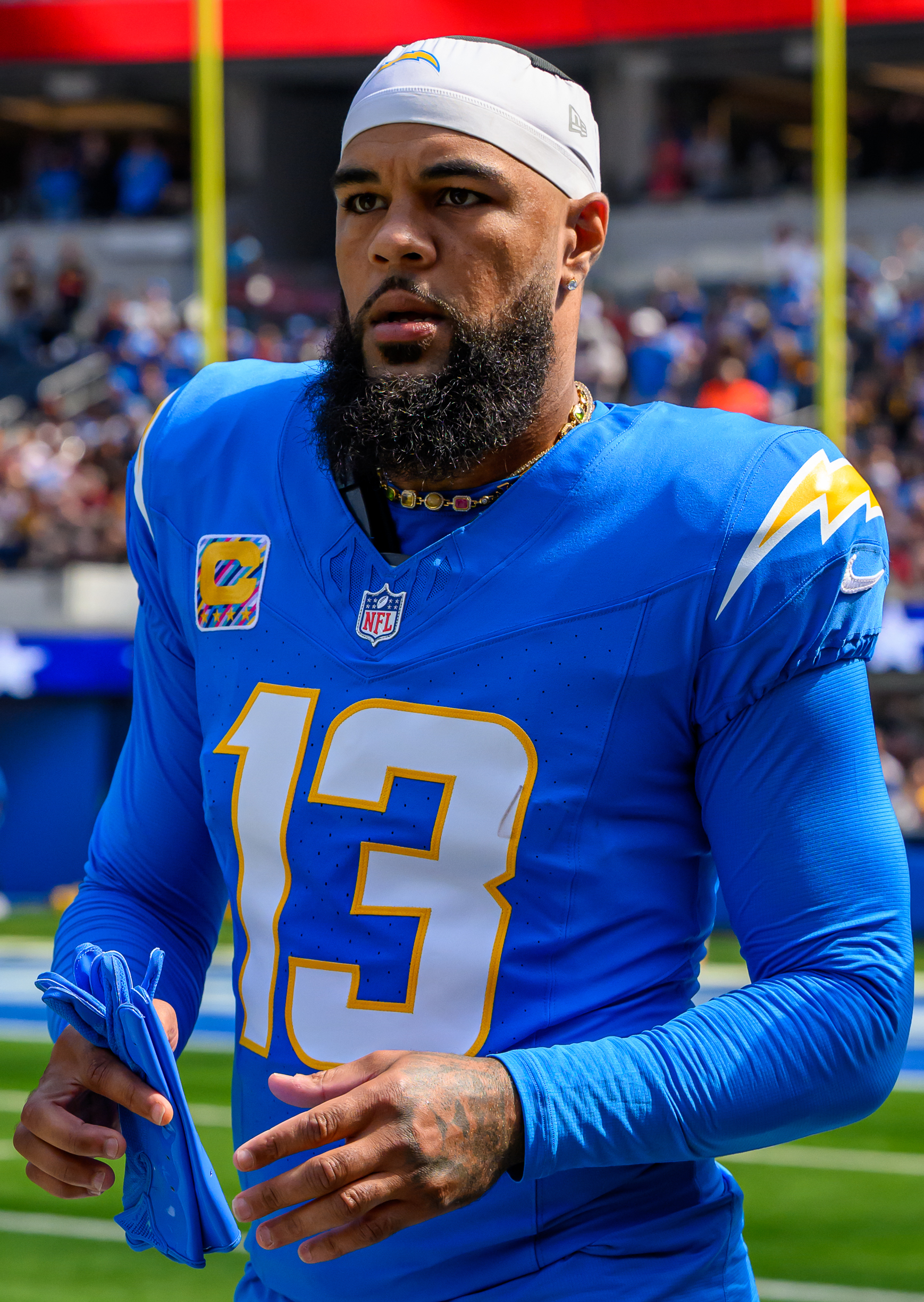
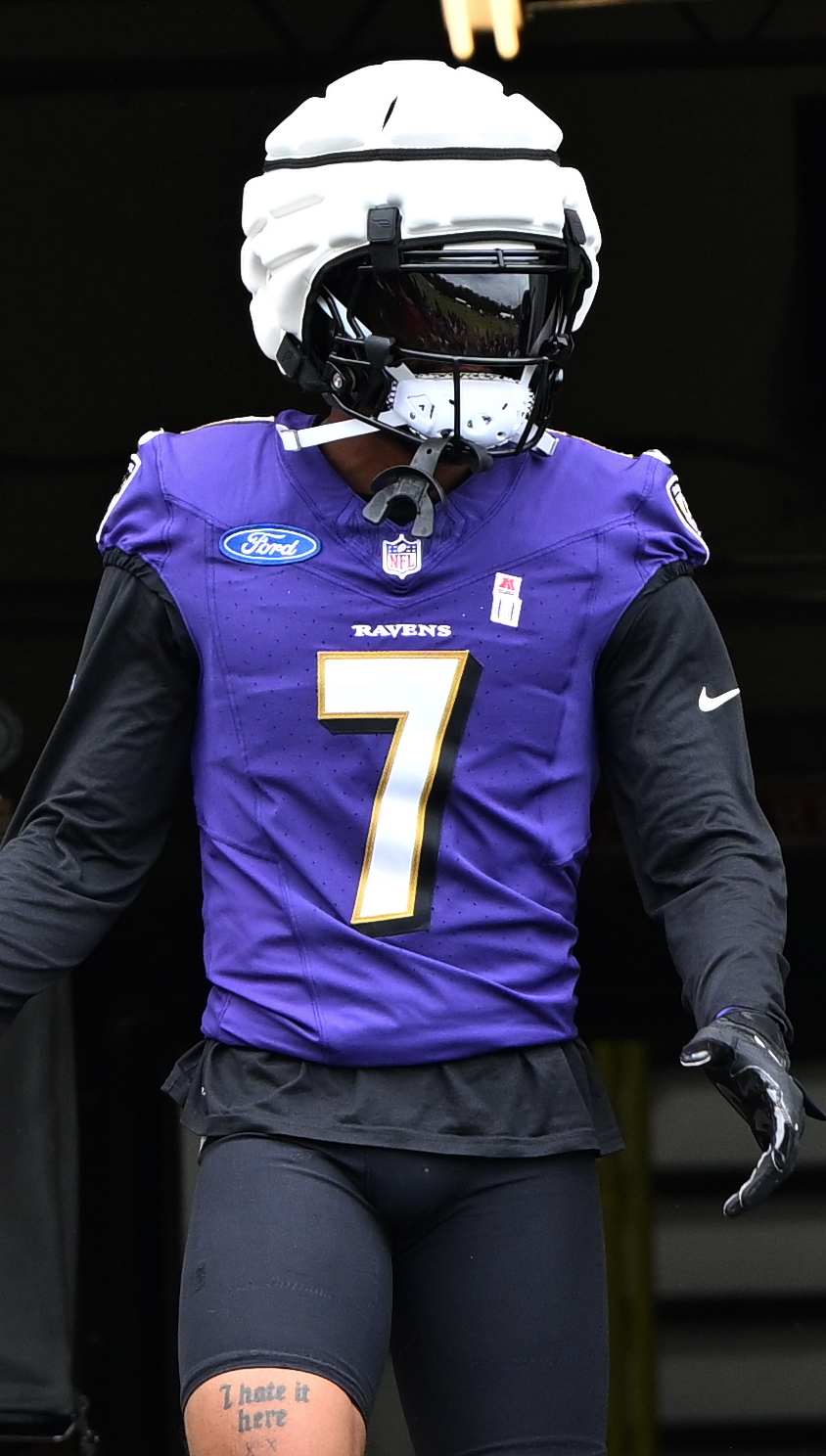
When offensive coordinators model their pass-catching distributions, they generally focus on route depth, target separation, and Expected Points Added (EPA) per snap. They rarely account for off-field domestic incident reports arriving from Georgia. Baltimore Ravens wide receiver Rashod Bateman is currently facing three misdemeanor charges stemming from a June altercation with an ex-girlfriend, an event that has triggered a formal review by the NFL under its personal conduct policy.
According to police records, the incident involved allegations of family violence and property damage following an altercation where a vehicle windshield was shattered. While the legal process runs its course, the immediate football question centers on Baltimore's high-efficiency offense and whether offensive coordinator Todd Monken must now rewrite his 11-personnel playbook.
Route Running Metrics Collide with Georgia Statutes
Fresh off the heels of discipline across the league, where the Cowboys, Saints Fined $500K Over Practice Brawls saga dominated headlines, the NFL front office is once again pulling out the Personal Conduct Policy handbook. For Baltimore, Bateman was slated to be the primary boundary separator opposite Zay Flowers, boasting a 14.8% target share when operating in single-high safety shells last season.
Removing Bateman from the lineup fundamentally alters Monken's pass concepts. In 2023, the Ravens posted a +0.14 EPA per dropback with Bateman running intermediate crossers, largely because his top-tier release packages demanded safety leverage. Without him stretching the perimeter, defensive coordinators can comfortably stack the box against Lamar Jackson's zone-read options.
🐦 @FilmRoomFlock: 'Evaluating our 11-personnel EPA when our WR2 is navigating legal filings is the most AFC North storyline imaginable.'
💬 u/HarbaughAnalytics: 'Forget tracking his separation metrics against press coverage, we need a regression model on how this impacts our two-tight-end packages.'
Personnel Schemes and Lamar's Target Share Efficiency
Should the league intervene, the Ravens possess the personnel flexibility to pivot toward heavier sets. Baltimore has spent multiple seasons building an offense that can thrive in 12 and 22 personnel, utilizing tight ends Mark Andrews and Isaiah Likely to manipulate nickel packages.
| Personnel Package | Ravens 2023 Usage | Targeted Receiver Focus | Projected 2024 Shift |
|---|---|---|---|
| 11 Personnel (3 WR) | 54.2% | Flowers / Bateman | Decreased (-12%) |
| 12 Personnel (2 TE) | 28.6% | Andrews / Likely | Increased (+9%) |
| 21 Personnel (2 RB) | 11.4% | Derrick Henry / Hill | Increased (+3%) |
As the table demonstrates, any disruption to Bateman's availability will logically trigger an aggressive uptick in multi-tight-end looks. With Derrick Henry now anchoring the backfield, defensive coordinators who were preparing for spread looks will find themselves staring down heavy run-action sets instead.
Quantitative Forecast and Wagering Probability
From an analytical betting perspective, Baltimore's team totals should remain relatively robust due to Lamar Jackson's baseline efficiency, but individual prop dynamics will undergo severe adjustments.
Tactical Recommendation: Lean into the Over on Isaiah Likely regular season receiving yards if Bateman faces any multi-week league action. Expect Todd Monken to disguise his passing concepts out of heavy jumbo formations, punishing overzealous linebackers who cheat toward Henry's inside-zone runs. Until legal clarity arrives, Baltimore's tactical matrix remains fluid, but don't expect the Ravens front office to abandon their mathematical edge.