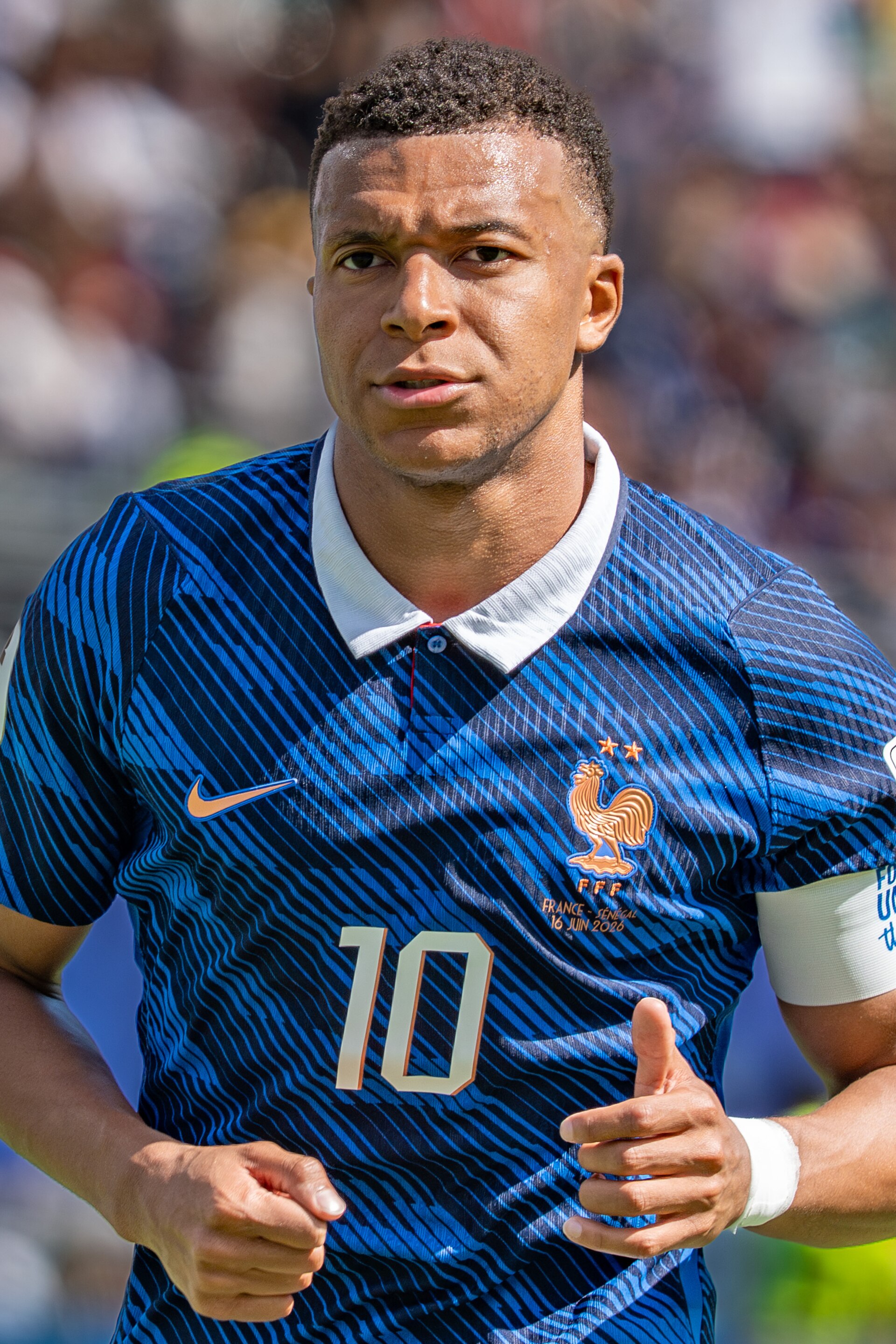
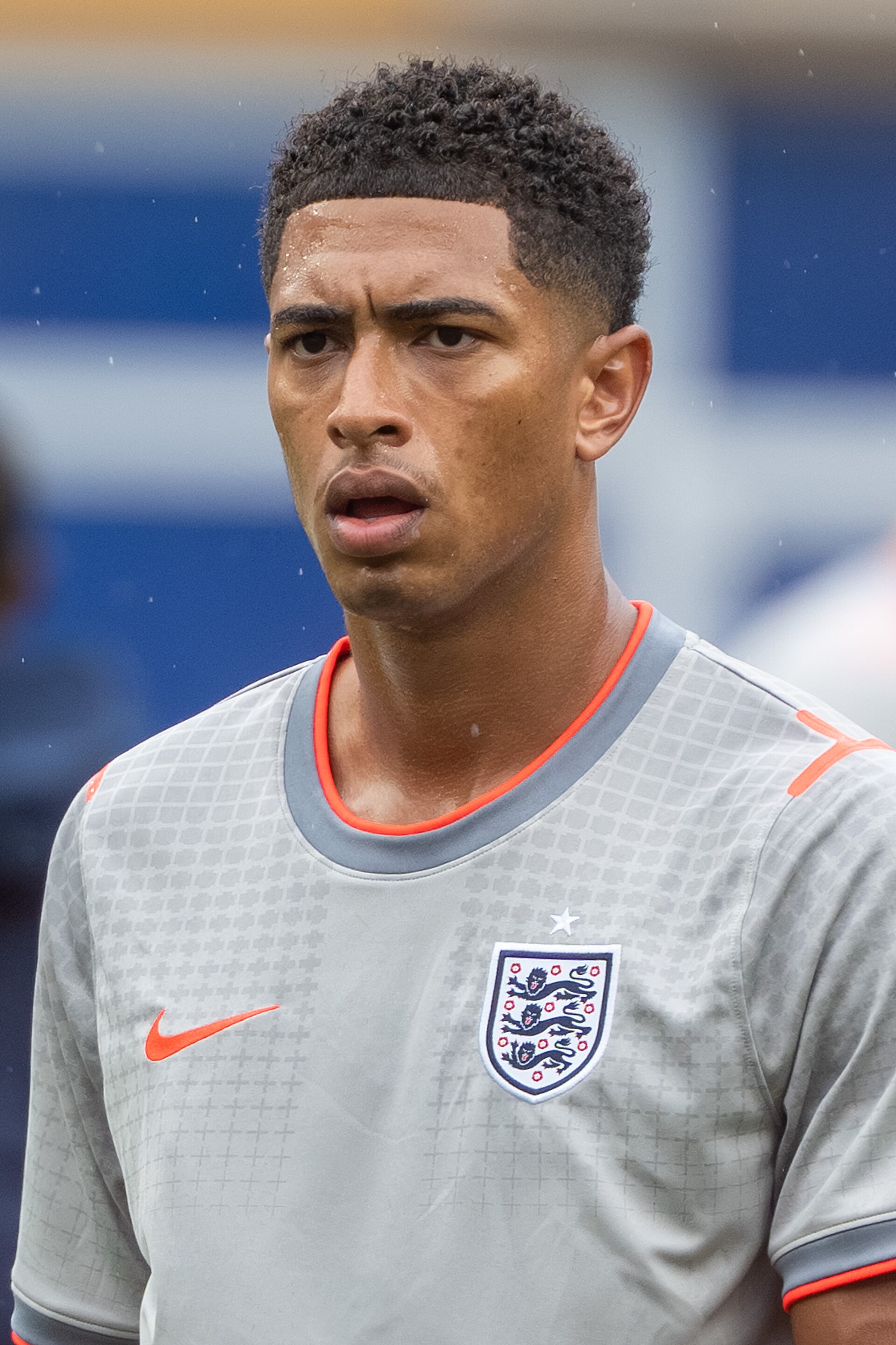
France Football has unveiled the 30-player shortlist for the prestigious 2026 Ballon d'Or, and the spreadsheets have officially caught fire. While mainstream pundits focus on raw trophy counts, any self-respecting tactician knows the real narrative lies in high-turnover regains, half-space occupancies, and non-penalty expected goals (npxG). With Harry Kane, Jude Bellingham, and Declan Rice headlining the English contingency alongside perennials Kylian Mbappe and Lionel Messi, the annual debate over individual silverware has devolved into an ideological war between transition monsters and spatial manipulators.
Midfield Geometry Versus Pure Transition Threat
The nomination of Declan Rice represents a rare win for the counter-pressing union. In an era where casual fans evaluate players purely on TikTok highlights, Rice's 8.4 ball recoveries per 90 minutes and his defensive coverage in modern rest-defense setups provide legitimate structural balance to any midfield. Meanwhile, Jude Bellingham continues to defy modern tactical categorization. Operating as a hybrid box-to-box phantom playmaker, Bellingham thrives in late third-man runs, devastating low-block defenses with off-the-ball timing that mimics a prime second striker more than a traditional number eight.
🐦 @SpreadsheetScout: "Declan Rice being nominated is absolute validation for defensive transition metrics. We are finally moving past pure goal-involvement propaganda."
Then we have Harry Kane. Despite spending entire matches dropping into the center circle to function as an overqualified auxiliary playmaker, Kane's shot-generation efficiency remains terrifyingly high. His presence in the Bayern Munich frontline forces center-backs into uncomfortable zone mismatches, dragging markers away to create automated overloads for wide wingers.
💬 u/PressingShapeAnalyst: "Kane drops into the half-space, Bellingham attacks the vacated vertical channel, and the entire back four suffers existential dread. Elite spatial literacy."
Quantitative Profiling: The Leading Contenders
| Player | Tactical Role | Primary Metric Strength | Key Vulnerability |
|---|---|---|---|
| Harry Kane | False 9 / Complete Striker | Shot Conversion % (28.4%) | Low physical recovery speed |
| Jude Bellingham | Hybrid #8 / Interior Forward | Box Entries via Runs (6.1/90) | Positional discipline in deep buildup |
| Declan Rice | Defensive Pivot / Destroyer | Progressive Carries & Interceptions | Final-third shot volume |
| Kylian Mbappe | Isolated Left Inverted Winger | xG per 90 (0.91) | Defensive work-rate out of possession |
Women's Nominees and Global Representation
The Ballon d'Or Feminin list also delivers compelling tactical intrigue. Alessia Russo earned recognition following her masterclass in holding up the ball against compact mid-blocks, utilizing back-to-goal shielding to spring wide transitions. Concurrently, Rose Lavelle stands tall as the solitary American woman nominated, an ode to her ability to puncture low blocks via progressive dribbles between defensive seams. Much like the administrative fireworks we saw when Belgium snubbed Infantino over Balogun ban chaos, the global committee's selections have divided traditionalists and modern data disciples alike.
Algorithmic Odds and Betting Projections
Looking ahead to the gala, the betting markets will invariably default to whichever attacker padded their stats against relegated sides. But for those betting with their brains rather than their hearts, look at the underlying coefficients:
- Smart Value: A podium finish for Bellingham based on high-leverage match-winning actions against elite high lines.
- Longshot Trap: Putting money on an anchor like Declan Rice to win outright, purely because football voters historically panic whenever an interception isn't followed by a 40-yard bicycle kick.
Ultimately, this Ballon d'Or cycle confirms that soccer analytics have breached the mainstream. Whether the golden orb goes to a penalty-box marksman or a central midfield metronome, the era of ignoring defensive metrics is officially dead.