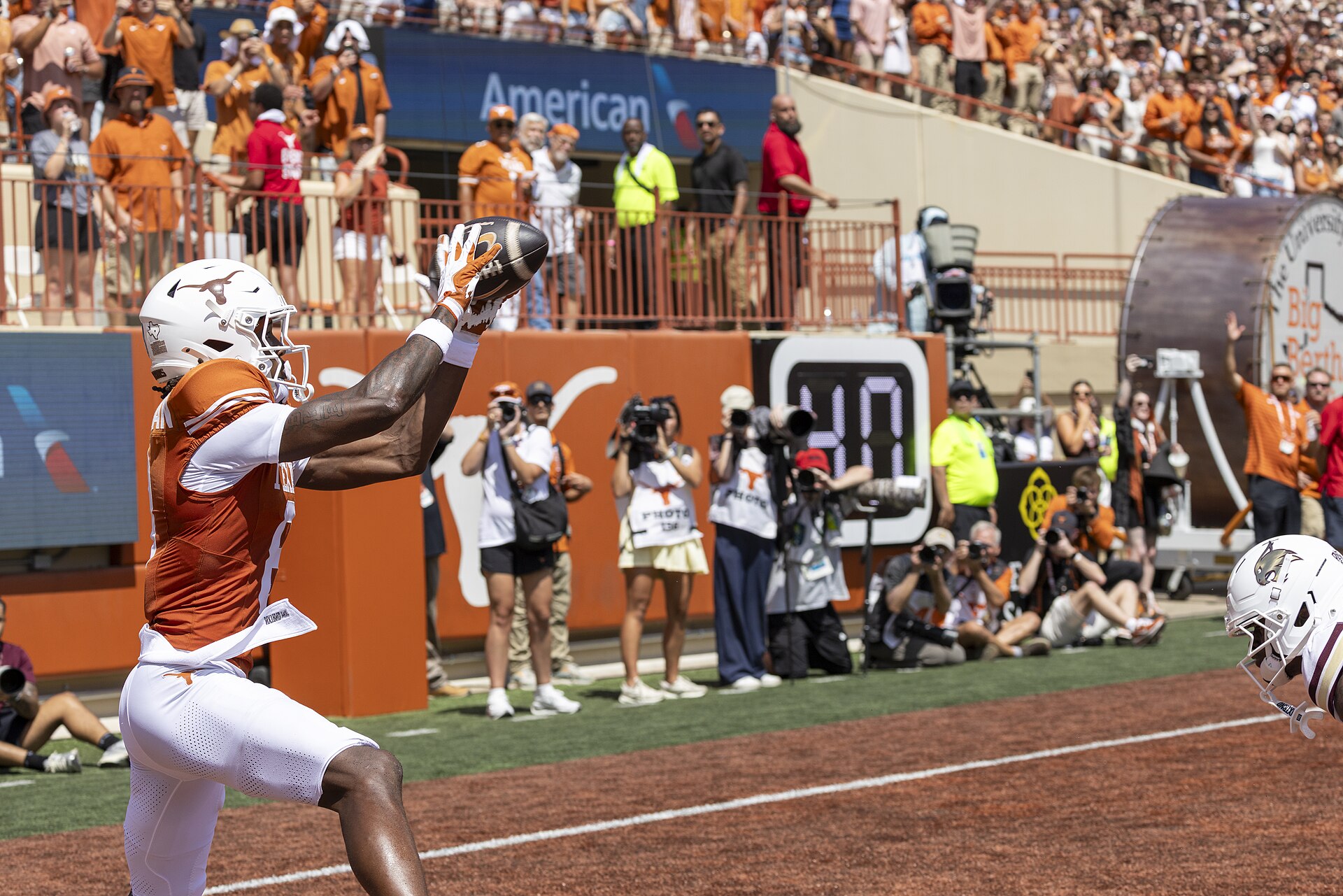
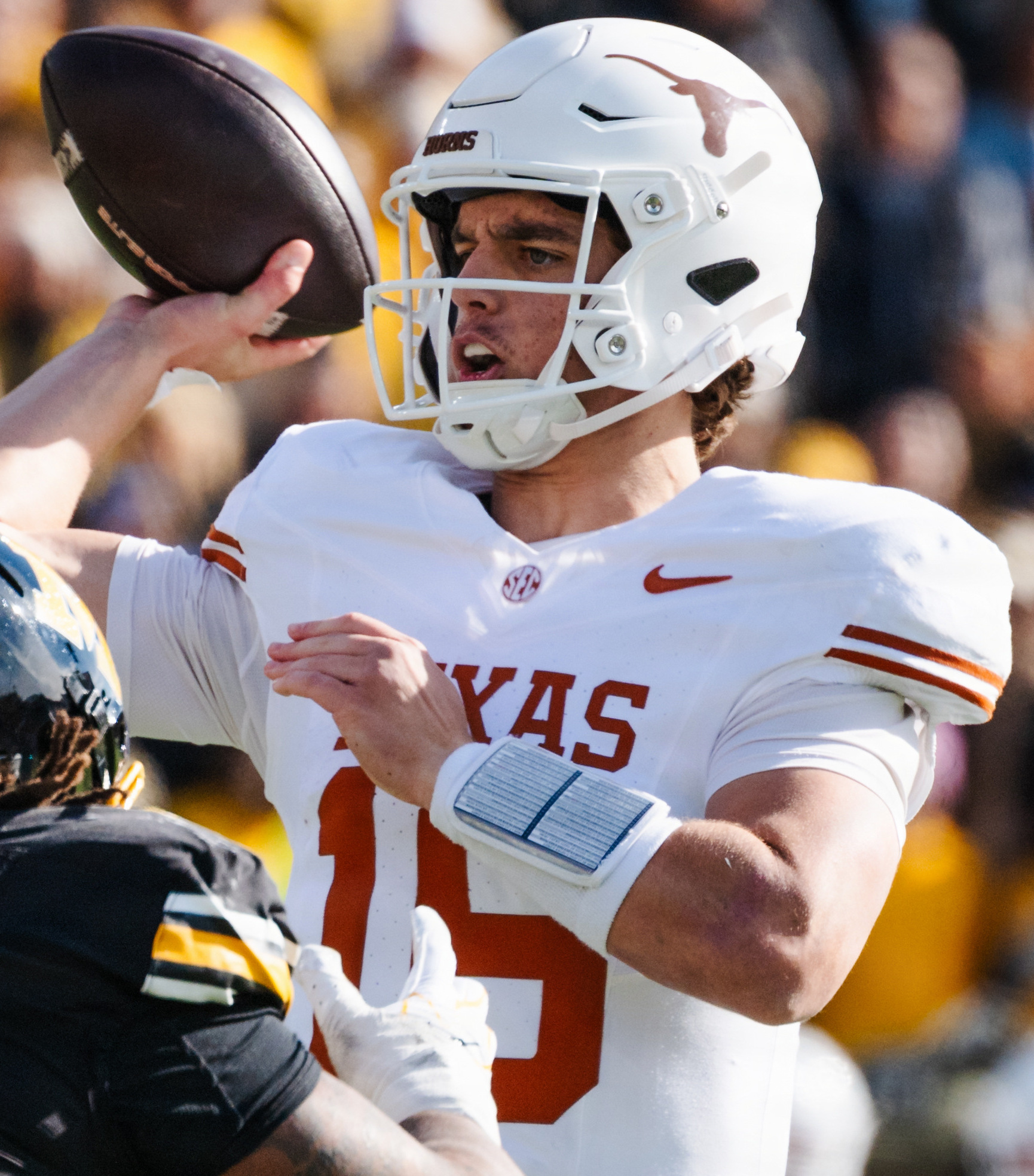
Football purists often talk about pedigree as if it were a measurable physical trait like arm velocity or wing span. In Baton Rouge, standard predictive modeling collapsed beneath the pure, cold arithmetic of a Manning operating against soft shell coverage. Texas orchestrated a breathtaking 22-21 comeback victory over LSU in their regular season home finale, handing Lane Kiffin a catastrophic defensive breakdown that effectively liquidated the Tigers' College Football Playoff prospectus.
Fresh off the heels of the off-field circus where an LSU star was arrested after a wild police run-in, Death Valley witnessed a different kind of authority malfunction: a complete structural collapse in secondary contain protocol. Trailing late, Arch Manning took the controls and surgically dismantled LSU's underneath zone drops, operating with an absurdly cool processing speed that should have every defensive coordinator in the conference double-checking their retirement vesting schedules.
The Anatomy of a Catastrophic Zone Failure
From an analytical standpoint, LSU entered the fourth quarter with an estimated win probability hovering near 88%. The Tigers had systematically suppressed explosive plays throughout three quarters by deploying umbrella split-field coverages. Yet when Texas needed high-leverage yardage, Manning repeatedly identified the mathematical leverage points in LSU's boundary nickel spacing.
🐦 @AnalyticsDan_CFB: "LSU defensive backs played that final two-minute drill like their controller batteries disconnected. Manning found the soft spot in Cover 3 with the precision of a Swiss watchmaker."
Rather than pressing the perimeter receivers to constrain timing, LSU dropped eight defenders into conservative hook-curl corridors. Manning simply manipulated the middle-field safety with subtle eye discipline before delivering pinpoint strikes into the intermediate third. The final dagger drive was less about heroic improvisation and more about the ruthless execution of route concepts against a passive defensive structure.
| Tactical Metric | Manning (4th Qtr) | LSU Pass Defense |
|---|---|---|
| EPA per Dropback | +0.64 | -0.52 |
| Passer Rating vs Zone | 142.8 | 61.2 |
| Third Down Conversion Rate | 75.0% | 25.0% |
| Coverage Bust Frequency | 0% | 38.5% |
The Kiffin Spreadsheet Meltdown
For LSU, this disastrous collapse marks an expensive reality check in year one of the headline-grabbing $91 million Lane Kiffin era. The self-proclaimed portal maestro stood on the sidelines watching his offensive script stall in key run-pass option sequences, while the defensive scheme hemorrhaged efficiency when it mattered most.
💬 u/BayouTears: "Ninety-one million dollars for Kiffin to play prevent defense against a kid whose uncles invented modern check-downs. You cannot make this pain up."
Kiffin's postgame address was an exercise in solemn statistical concession. When your opponent sustains drives without turning the ball over while operating in your venue, the blame shifts entirely toward game management and situational play-calling. Texas executed basic high-low stress concepts on LSU's linebackers, turning what should have been contested downs into elementary pitch-and-catch sequences.
Algorithmic Projections and Speculative Wagers
Looking forward, Texas solidifies its national championship credentials with a signal-caller whose operational floor is rapidly approaching his stratospheric recruiting ceiling. For LSU, the path forward is bleak: their postseason hopes have officially converted into statistical noise.
For those perusing the analytical betting boards, consider taking the Under on LSU team totals in any impending bowl contest; morale depreciates faster than subprime derivatives. Meanwhile, hammer any early Heisman futures on Arch Manning before the public volume compresses the odds to unplayable decimals. When a quarterback manipulates coverages this clean before junior year, the house will not stay generous for long.