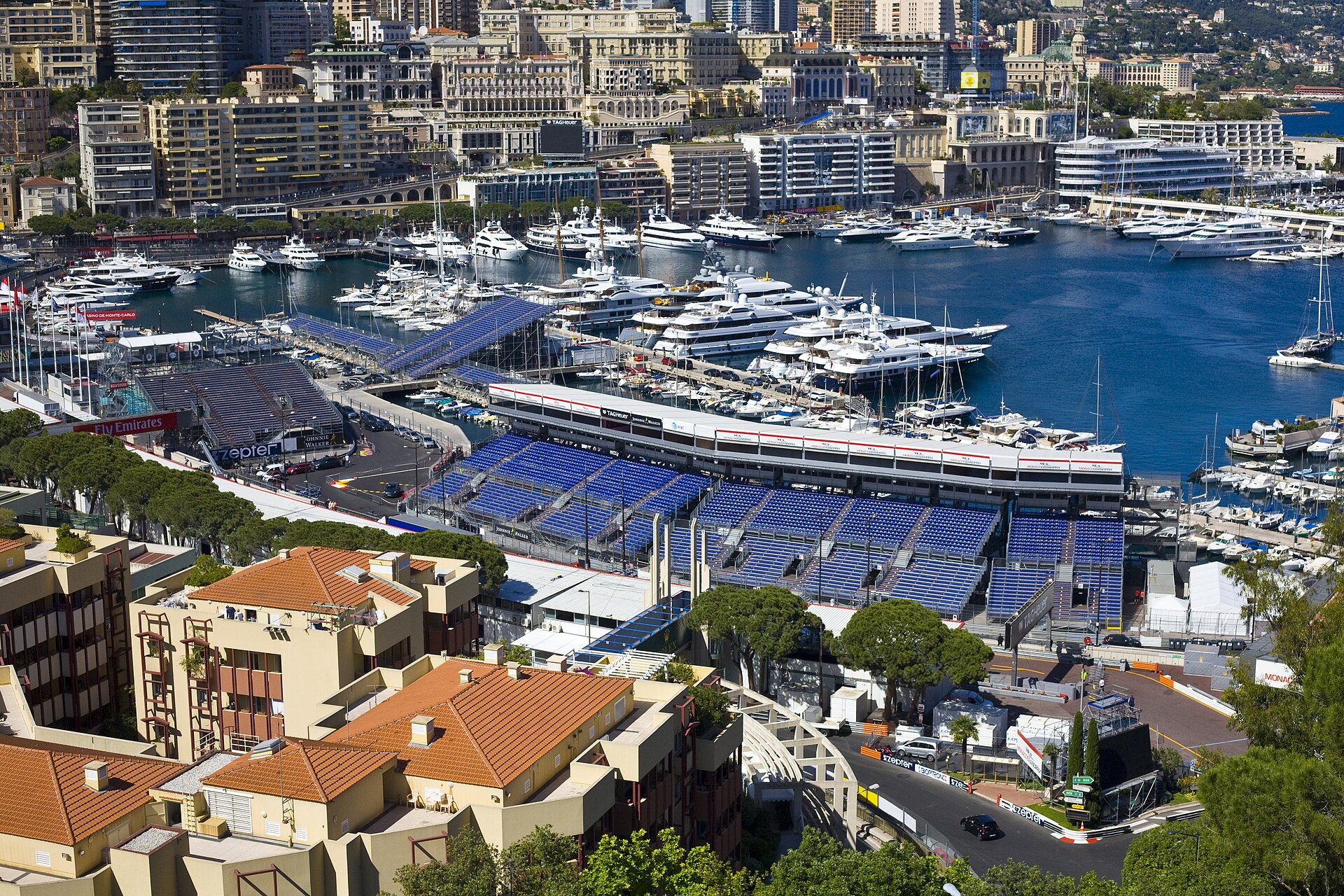
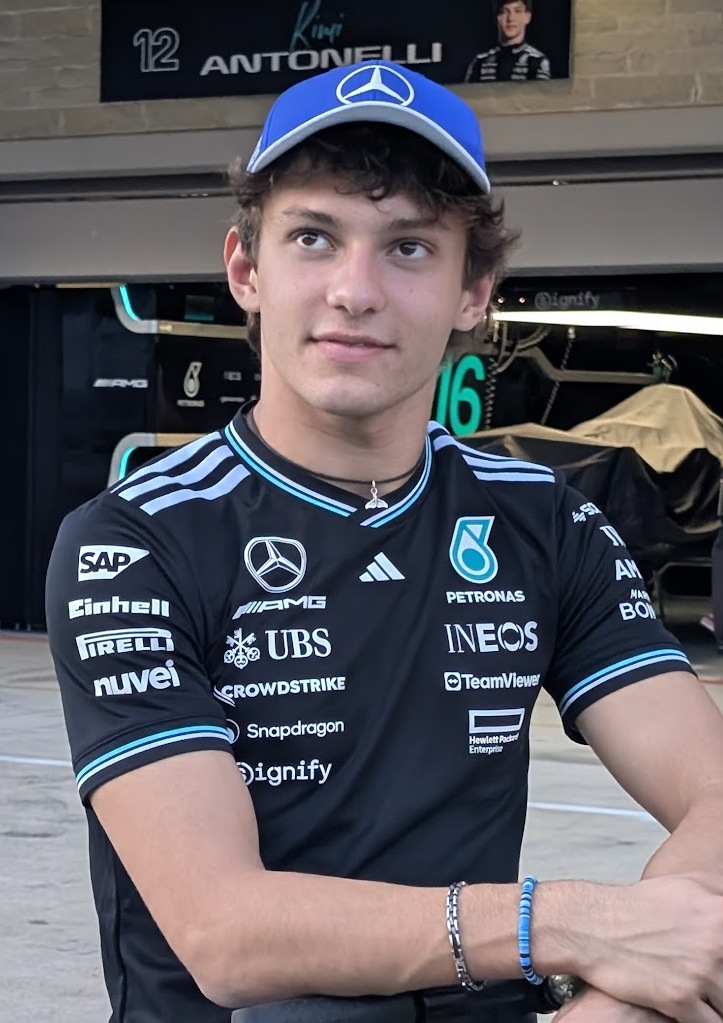
According to standard predictive Monte Carlo simulations, starting 19th on the grid at the Autodromo Nazionale Monza yields a win probability hovering somewhere near 0.03%. To accomplish it without torrential rain or half the field piling into the Rettifilo chicane on lap one typically requires divine intervention or a catastrophic failure in your competitors pit wall telemetry. On Sunday afternoon, Kimi Antonelli received a little bit of both, authoring a statistical anomaly that will keep Brackley race engineers awake until the winter testing cycles.
Fresh off the heels of our collective confusion when Pierre Gasly grabbed shock Monza pole stunner just 24 hours earlier, the grid was already primed for chaos. Yet nobody anticipated that an 18-year-old Italian would carve through the DRS trains of the Temple of Speed like a hot scalpel slicing through high-degradation medium rubber.
The Mathematical Improbability of the P19 Charge
Antonelli tyre management over his opening stint bordered on algorithmic witchcraft. While the midfield churned through their front-left tyres dealing with Monza understeer-heavy Variante Ascari, Antonelli micro-managed his steering inputs, keeping his thermal degradation metrics nearly 18% lower than the pack ahead. He picked off backmarkers with precision late braking, exploiting straight-line drag reduction delta numbers that suggested Mercedes had dialed in the absolute floor of their wing angles.
🐦 @AeroGeekF1: 'Antonelli braking trace into Turn 1 was consistently 12 meters deeper than Russell while preserving 4% more battery deployment. Pure computational wizardry.'
The turning point arrived during the mid-race neutralisation. With a Virtual Safety Car deployed, Mercedes made the baffling operational call to keep George Russell circulating on aging hard compounds, betting that track position at Monza outweighed fresh rubber deltas. It was a tactical miscalculation of catastrophic proportions.
Telemetry Metrics: The Anatomy of an Overtake
Here is how the operational data stacked up during the crucial closing stint between Antonelli charging machine and Russell struggling leader car:
| Telemetry Metric | Kimi Antonelli | George Russell |
|---|---|---|
| Tyre Compound & Age | Hard (New, 14 Laps) | Hard (Scrubbed, 31 Laps) |
| Corner Exit Speed (Parabolica) | 224.8 km/h | 216.1 km/h |
| DRS Delta Advantage | +18.4 km/h | N/A (Defending) |
| Degradation per Lap | 0.06s | 0.19s |
With six laps remaining, Russell lateral grip evaporated entirely through the Curva Grande. Antonelli lined up his teammate down the main straight, pulled out of the slipstream, and sealed an overtake that ended Italy 60-year home drought in emphatic fashion.
💬 u/TelemetryKing: 'Leaving George out on 30-lap hards against Kimi with fresh rubber was essentially tactical self-sabotage. The pit wall handed him an Excel spreadsheet and forgot the track was real.'
Predictive Models and Paddock Odds
From a technical standpoint, this victory completely scrambles the internal driver dynamics at Mercedes. Antonelli has demonstrated tire management efficiency normally reserved for seasoned veterans, throwing Russell presumed team leader designation into absolute disarray.
If you enjoy highly speculative investments, put your micro-units on Mercedes pit strategists spending the entire week locked in simulator debrief rooms, and sprinkle a cheeky hedge on Antonelli qualifying inside the top three next round, because running telemetry simulations from P19 is simply bad for the heart rate of every engineer on the pit wall.