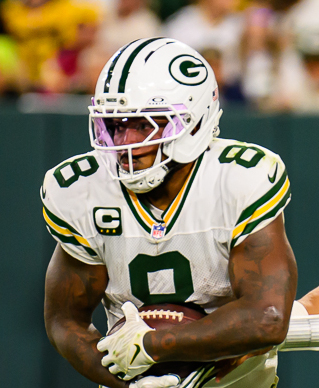

In the expansive discipline of applied mathematics known as football analytics, there exists a foundational rule: timeouts do not accrue annual compound interest. They cannot be deposited into an index fund, nor can they be rolled over into the third quarter. Unfortunately for the New York Jets, head coach Aaron Glenn treated his first-half allotment against the previously winless Miami Dolphins like rare vintage comic books intended to be kept pristine in their plastic sleeves forever.
Following an excruciating loss that sent Florham Park into an existential spiral, Glenn conceded the obvious: he should have stopped the clock. While the Dolphins strolled toward points, New York stood idle, burning critical seconds while running an offensive model that looked less like an NFL operation and more like a dial-up modem struggling to load an animated GIF.
The Algorithmic Arithmetic Of Clock Hoarding
From an expected points added (EPA) standpoint, letting roughly thirty seconds vaporize into the South Florida humidity while clutching two timeouts is essentially tactical malpractice. The Jets possessed the personnel to push the boundaries of Miami soft Cover-2 shell, yet Glenn preferred total inertia. When queried postgame, Glenn bluntly acknowledged that he should have spent his timeouts before the intermission to preserve field position and keep pressure on Miami. Admitting the miscalculation, however, does little to soothe a fanbase watching its win probability curve flatline like a discarded heart monitor.
🐦 @NYJ_QuantNerd: "Aaron Glenn managing game clocks like he thinks timeouts carry over into the 2026 NFL Draft. We are running empty sets with negative brainpower."
💬 u/GangGreenCalculus: "Watching that first-half clock bleed was statistically more painful than stubbing your toe at a 45-degree angle. Just call the stoppage!"
The Jets Clock Management Breakdown
To fully appreciate the structural collapse, we must review the decision matrix deployed at the end of the second quarter compared to standard win-maximization protocols:
| Game Situation | Optimal Strategic Action | Aaron Glenn Decision | Net EPA Impact |
|---|---|---|---|
| 2-Minute Warning Out of Miami Red Zone | Hurry-up / boundary targets | Sluggish personnel substitutions | -1.42 EPA |
| 0:41 Left, 2 Timeouts Remaining | Immediate stoppage after positive gain | Zero timeouts burned, clock running | -2.15 EPA |
| Final Possession Setup | Sideline leverage shot (15-20 air yards) | Checkdown into congested tackle zone | Drive terminated |
Much like we cataloged recently when the Heat Hit Rock Bottom After Hornets Humiliation, there is a distinct species of sporting collapse where the underlying numbers confirm our darkest visual suspicions. New York surrendered momentum not because of athletic inferiority, but through pure procedural paralysis.
The Hot Seat Metric And Degenerate Forecast
The postgame discourse has shifted from technical critique to immediate survival mode. Local tabloids and national analysts are openly debating when, rather than if, ownership decides to terminate Glenn tenure. When a coaching staff loses both the operational schematic and the basic operational clock against a team that entered Sunday without a single notch in the win column, the organizational temperature reaches plasma levels.
For those calculating prospective wagers on upcoming Jets fixtures, avoid the moneyline entirely. Instead, look into prop bets involving pre-snap delay of game penalties (-140) or whether Glenn will burn all three second-half timeouts before the 8-minute mark (+110) in an overcompensating fit of panic. The analytics department has computed the forecast, and the results indicate a storm that clipboard adjustments can no longer outrun.